Introduction to Custom Home Construction for Business Owners
In an era where personalization and efficiency are paramount, custom home construction has emerged as a compelling option for business owners looking to invest in their properties. According to recent statistics, custom homes accounted for 14% of total housing starts in the United States in 2023, with the median size of newly built homes reaching 2,344 square feet. This shift signifies not only a changing landscape in home designs but also highlights the increasing demand for tailored spaces that reflect individual needs and preferences.
Understanding the process of custom home construction is crucial for business owners. Beyond just aesthetics and personal taste, custom builds offer numerous benefits, including cost efficiencies, energy savings, and superior quality control. Moreover, investing in a custom home can significantly enhance the property’s market value, making it a strategic business move in today’s competitive real estate environment. Whether you are considering building a home to live in or as a rental investment, navigating the custom construction landscape can lead to lucrative returns and satisfaction. Learn more about remodeling services or explore how a customized approach can anticipate your future needs in today’s evolving market.
Key Benefits of Custom Home Construction for Business Owners
Custom home construction offers a variety of advantages, particularly for business owners looking to enhance their lifestyle and investment value. Here are some specific benefits:
-
Increased Property Value: Custom-built homes often have superior quality and tailored designs that appeal to prospective buyers, leading to higher resale values. Learn more about how custom home builders impact property value.
-
Personalized Designs: Business owners can create spaces that not only meet their personal tastes but also reflect their professional identity, ensuring their home embodies their brand ethos and personal style.
-
Energy Efficiency: Custom homes allow for the incorporation of sustainable materials and energy-efficient systems, leading to lower operating costs and long-term savings on utility bills. This can also be a significant selling point for potential buyers.
-
Better Functionality: These homes can be designed to fit the specific needs of the owner, including dedicated spaces for home offices or meeting rooms, which can boost productivity and work-life balance.
-
Potential for Customization: Whether it’s choosing the layout, finishes, or smart home features, custom construction provides flexibility that standard homes do not, allowing owners to create environments that suit their lifestyles and business needs.
By opting for a custom home, business owners can significantly enhance their living experience while simultaneously investing in a valuable asset.
The Custom Home Construction Process
Constructing a custom home is an exciting journey that varies in complexity and duration depending on a variety of factors. Here’s a step-by-step breakdown of the custom home construction process, designed to help business owners understand the essential milestones and the expected timeline.
1. Planning and Budgeting
- Initial Consultation: It begins with discussions regarding your vision, budget, and preferences. During this phase, builders often assess potential sites.
- Setting a Budget: Establish a clear budget that incorporates land costs, construction, and any additional expenses.
2. Design Phase
- Home Design: Collaborate with architects or design teams to formulate plans that fit your requirements and preferences. Ensure to include features that maximize functionality and aesthetics.
- Finalizing Plans: Once drafts are approved, finalize blueprints for construction.
3. Obtaining Permits
- Required Permits: Secure the necessary permits based on local regulations. This typically includes zoning permits, building permits, and any specific environmental assessments. According to recent trends, permits for new single-family homes are rising,
with a notable 22% increase in North Carolina alone.
4. Pre-Construction Setup
- Site Preparation: Clear and prepare the land for construction, which includes grading and excavation. This phase also often involves utility setup.
- Scheduling: Coordinate with subcontractors to schedule time for tasks like plumbing, electrical work, and inspections.
5. Construction Phase
- Foundation and Framing: Begin with the foundation, followed by framing the structure, which provides the shell of your new home.
- Exterior Work: Install roofing, windows, and doors while ensuring compliance with the design specifications.
- Interior Work: Complete interior installations, which include drywall, flooring, and other finishes. The average time to complete these stages can range from 6-7 months based on project complexity.
Learn more about the average construction times here.
6. Final Inspection and Move-in
- Inspections: Schedule final inspections with local authorities to ensure compliance with building codes. Your home must pass these evaluations before receiving occupancy permits.
- Final Touches: Address any punch list items before finalizing everything for move-in.
Conclusion
The overall timeline for building a custom home can average between 10 months to 2 years, depending on the specific design, location, and efficiency of securing permits. Understanding the intricacies involved helps business owners make informed decisions and prepares them for the successful realization of their custom home ambitions.
Comparison of Traditional Construction vs. Modern Modular Construction Methods
When considering custom home construction, business owners often face the decision between traditional construction methods and modern modular construction. Here’s a detailed comparison focusing on key factors such as cost, time efficiency, and customization levels:
| Factors | Traditional Construction | Modern Modular Construction |
|---|---|---|
| Cost | Generally higher due to labor and material waste. | Often lower due to factory assembly and reduced labor costs. |
| Time Efficiency | Longer timelines due to site work and weather delays. | Significantly faster, often completed in weeks, not months. |
| Customization Levels | High customization options available, but can extend timelines. | Provides customization, but may be limited to pre-designed modules. |
Detailed Insights:
- Cost: Modular construction is often seen as a more economical solution. According to a BMarko article, it provides substantial savings through reduced labor and less material waste.
- Time Efficiency: As highlighted by Ameribuilds, modular methods allow for faster project completion due to the simultaneous site preparation and manufacturing processes.
- Customization Levels: Traditional construction offers a higher level of customization, but it can significantly increase time frames. Modular construction provides options within specific designs, balancing speed with aesthetic flexibility.
Both construction methods hold unique strengths, making the final decision depend on individual project requirements and priorities.
Choosing the Right Contractor for Custom Home Construction
Selecting the right contractor for custom home construction is crucial to ensuring that your project is completed successfully, reflecting your vision and adhering to your budget. A skilled contractor not only manages the technical aspects of construction but also acts as a partner in transforming your ideas into reality.
Why Choosing the Right Contractor Matters
A competent contractor brings experience, technical know-how, and communication skills that are vital for navigating the complexities of custom home construction. They can help you avoid major pitfalls, streamline the building process, and manage timelines and budgets effectively.
Tips for Selecting a Skilled Contractor
- Check Credentials and Experience: Ensure the contractor is licensed, insured, and has a proven track record in custom home construction. Look for reviews and testimonials from previous clients.
- Ask Important Questions: Before hiring, ask potential contractors about their past projects, timelines, and warranties provided. Key questions include:
- How many custom homes have you built?
- Can you provide references?
- What is your estimated timeline for this project?
- Discuss Your Vision: Share your ideas and vision for your custom home. A good contractor will collaborate with you, offering suggestions and adjustments to enhance your plans while staying within budget.
- Get Multiple Quotes: Don’t settle for the first estimate. Compare at least three bids from different contractors, ensuring all quotes include similar specifications to make them comparable.
Potential Pitfalls to Avoid
- Focusing Solely on Price: While budget is important, choosing the cheapest option can lead to lower quality workmanship and materials. Opt for value rather than just cost.
- Neglecting a Written Contract: Insist on a clear contract that details the scope of work, materials, timelines, and payment schedules. This protects you and keeps both parties accountable.
- Ignoring Communication Style: Choose a contractor who communicates clearly and shares frequent updates. A reliable contractor maintains an open line of communication throughout the project.
- Rushing the Selection Process: Take your time to properly research and vet potential contractors. Rushing can lead to significant mistakes that could impact the project negatively.
By following these tips and avoiding common pitfalls, you can ensure that you select a contractor who aligns with your vision and can deliver the custom home of your dreams. For more insights on remodeling services, check out this guide.
Latest Trends in Custom Home Construction for Business Owners
As the custom home construction industry evolves, business owners must stay abreast of the latest trends to remain competitive and meet client expectations. A combination of sustainability practices and technology integration is shaping the future of home building.
1. Emphasis on Sustainability
Sustainable building practices are becoming increasingly important in custom home construction. Homeowners are now prioritizing eco-friendly features that minimize environmental impact. Some key trends include:
- Use of Sustainable Materials: Builders are adopting materials that are renewable, recycled, or sourced responsibly. This includes utilizing bamboo, reclaimed wood, and non-toxic finishes.
- Energy Efficient Designs: Homes are being designed to maximize energy efficiency through better insulation, energy-efficient appliances, and solar panel installations. This not only meets the growing consumer demand for lower energy costs but also contributes to sustainability efforts.
For more information on making environmentally friendly choices, check out our article on top tips for building an environmentally friendly home.
2. Technology Integration
Technology is at the forefront of modern custom home construction. Smart home technologies are proving essential in elevating the homeowner experience. Trends include:
- Smart Home Automation: Integrating systems for lighting, security, and HVAC that can be controlled remotely via smartphones. This offers convenience and improved living conditions.
- Energy Monitoring Systems: Homeowners are investing in technologies that allow them to monitor energy usage and make informed decisions about their consumption.
To learn more about how technology is enhancing modern home construction, visit take advantage of smart home technology.
3. Aesthetic Trends: Minimalism and Functional Design
Minimalist design continues to gain traction among homeowners. This style emphasizes:
- Open Spaces: Layouts that promote flow and functionality, embracing light and space rather than clutter.
- Timeless Aesthetics: Focusing on fewer, high-quality materials and finishes that stand the test of time, thus appealing to those looking for durability over fast trends.
The integration of sustainability and technology, along with aesthetic preferences like minimalism, represents not only the desires of today’s homeowners but also shapes the direction of custom home construction for years to come. Business owners who adapt to these trends will be in a better position to satisfy their clients and achieve success in this competitive market.
Budget Considerations for Custom Home Construction
Planning a budget for custom home construction is a critical step for business owners looking to invest in this area. A detailed approach can help you navigate both expected expenses and hidden costs that often arise during the process.
Understanding Hidden Costs
One of the most significant challenges in custom home construction is the presence of hidden costs. It’s essential to be aware of these potential expenses to avoid budget overruns. Here are some common hidden costs to consider:
- Site Preparation: Depending on the conditions of your land, costs for grading, excavation, and clearing can vary significantly. Be sure to factor in these costs early in your budgeting process.
- Utility Connections: Bringing water, electricity, and sewer services to your new home can be more expensive than anticipated, especially in remote areas. Understanding local utility rates can help mitigate surprises.
- Design Changes: Mid-project design alterations can lead to higher expenses. It’s crucial to finalize your plans before construction begins to avoid these additional costs.
- Permitting and Inspection Fees: Many business owners underestimate the costs associated with obtaining the necessary permits and inspections throughout the construction process. Make sure to account for these in your budget.
Business owners can learn more about these hidden costs in depth by reading articles on avoiding hidden construction costs and planning for unexpected expenses.
Exploring Financing Options
Once your budget is established, the next step is financing your custom home construction. Various options are available, each with its advantages:
-
Construction Loans: These short-term loans are specifically designed to cover building costs. They generally transition into a traditional mortgage once construction is complete. This option is popular among custom home builders due to its flexibility. For a detailed guide on construction loans, consult this informative article.
-
Home Equity Loans: If you already own property, tapping into your home equity can be a cost-effective way to finance the construction. It’s essential to understand how this impacts your overall financial strategy.
-
Personal Savings: Using personal savings can mitigate the need for loans and debt. However, ensure that this does not strain your other financial obligations.
-
Land Loans: If you need to purchase land for the construction, a land loan should be factored into your budget. This initial financing is crucial for those starting from scratch.
For business owners pursuing custom construction, understanding these financial options and budgeting adequately can lead to a successful project. For further insights into planning your budget effectively, consider reading more on securing financing for custom homes.
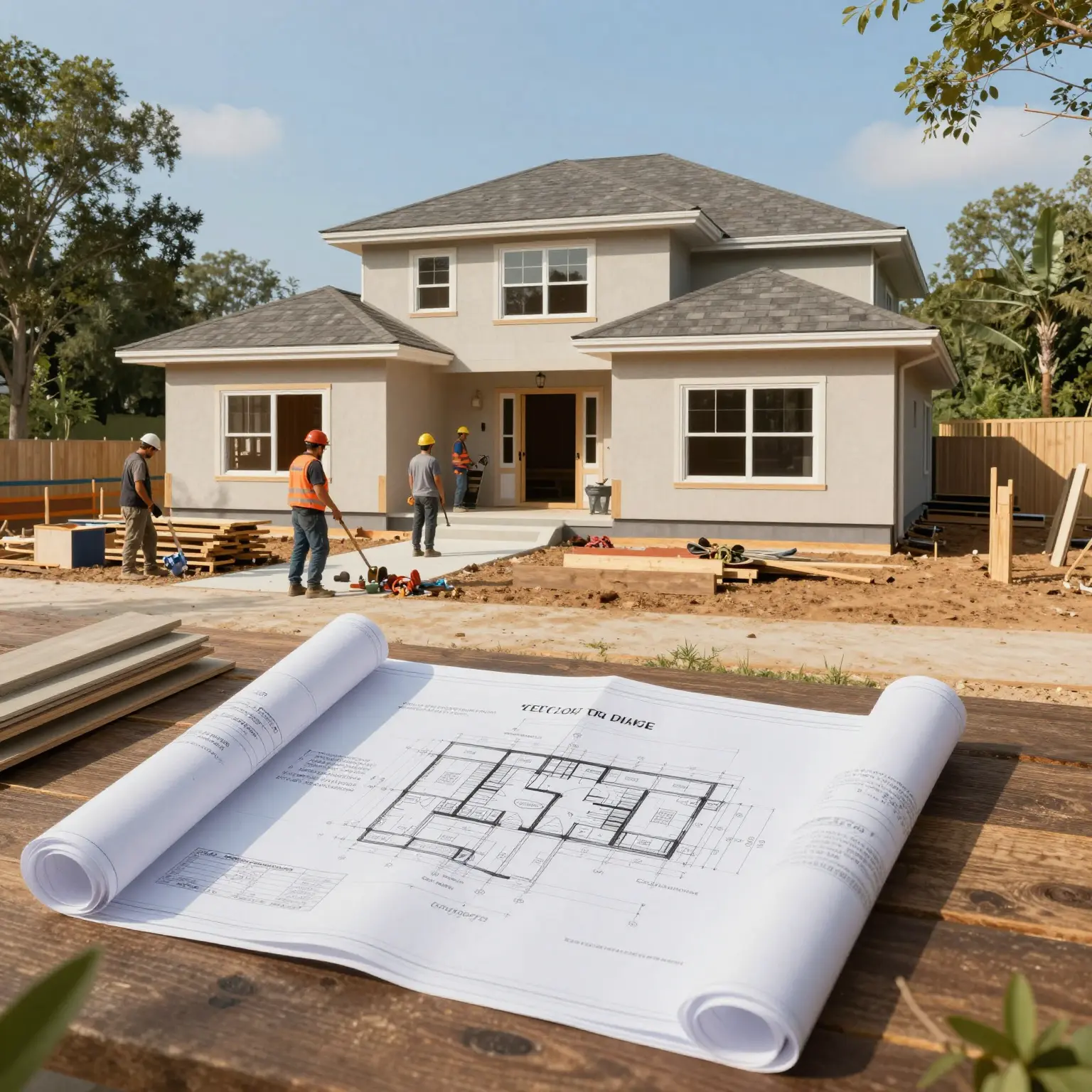
Custom home construction is a critical phase for business owners looking to create unique spaces that reflect their vision and meet their specific needs. Whether you’re planning to build from scratch or undertake a significant renovation, understanding the essentials of the process can make a significant difference in the outcome.
Comparing Average Costs of Custom Homes Across Regions
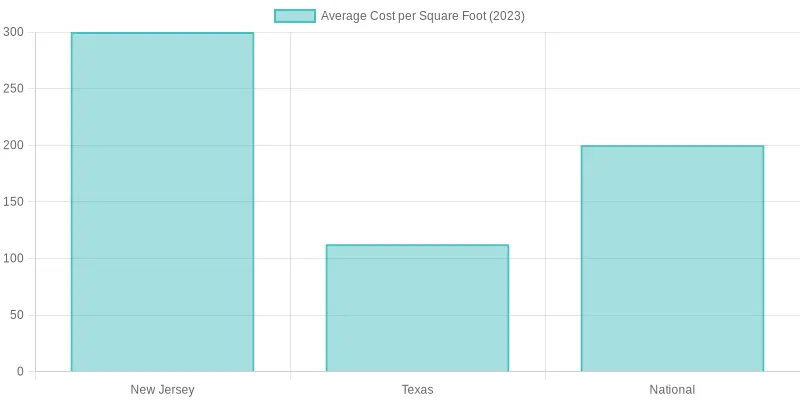
The chart below illustrates the variations in average costs of custom homes across different regions in the United States for 2023. As custom home building can significantly vary based on region, understanding these costs can help prospective homeowners and business owners plan accordingly.
| State | Average Cost per Square Foot (2023) | Total Average Home Price (2023) |
|---|---|---|
| New Jersey | $300.00 | $417,700 |
| Texas | $112.50 | $417,700 |
| National | – | $417,700 |
Note: The total average home price is provided as a national benchmark. The cost per square foot for New Jersey and Texas reflects the 2023 data. Data sourced from Zillow, U.S. Census Bureau, and real estate analytics platforms (as of 2023).
This data highlights how custom home costs can vary significantly based on geographical location. For more insights into home construction and remodeling services, you can learn more about remodeling essentials.
Conclusion
Custom home construction presents a plethora of advantages that can markedly benefit business owners. From fully personalized designs that reflect unique aesthetics, to the selection of premium materials and energy-efficient solutions, the options are boundless. Investing in a custom home allows you to create a space tailored specifically to your operational needs and lifestyle preferences, while ensuring quality craftsmanship and attention to detail. More importantly, with the latest trends focusing on sustainability and innovative designs, this investment can also enhance your brand’s image and contribute positively to your overall business strategy.
Incorporating features that cater to future needs and adapting to market changes is essential for staying competitive. As you consider this impactful investment, remember that custom homes are not just buildings-they are reflections of your vision and values. Don’t hesitate to explore your options further and learn more about our remodeling services. Take the first step towards your dream space today!