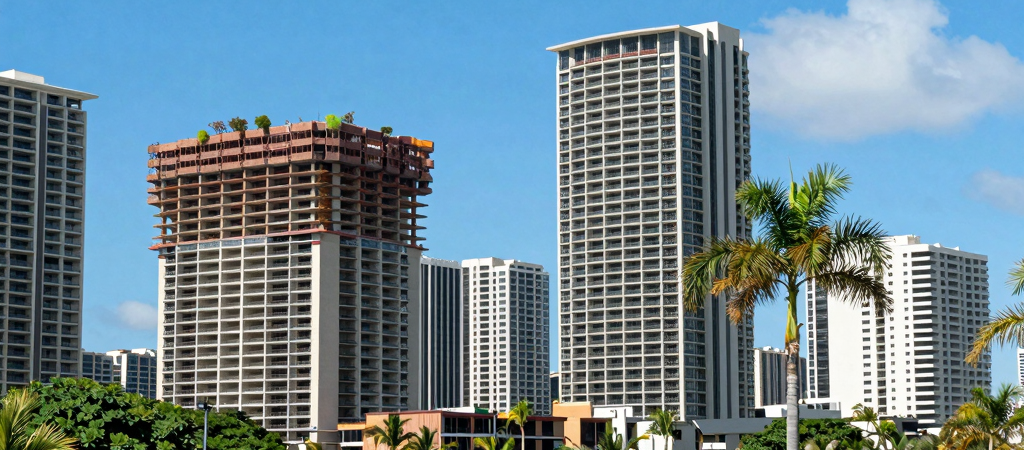
Introduction to New Home Construction in Honolulu
Honolulu presents a unique opportunity for business owners looking to invest in new home construction. As one of the fastest-growing markets in Hawaii, the demand for new housing in this vibrant city has surged, fueled by a robust economy and an influx of residents enamored by the islands’ beauty and lifestyle. With limited land availability and a growing population, innovative construction methods and sustainable building practices are essential to meet the diverse needs of homeowners. This market growth presents a lucrative landscape for businesses engaged in construction, design, and real estate.
Focusing on new home construction not only contributes to the economy but also ensures that companies remain at the forefront of developments shaping Honolulu’s community. The potential to capitalize on modern architectural trends and eco-friendly building materials aligns with global demands for sustainable living spaces. By partnering with experienced builders and construction firms, business owners can enhance their portfolios and drive long-term success.
As you consider diving into this burgeoning market, it’s essential to understand the intricacies of real estate in Honolulu. With diverse opportunities for investment, now is the time to explore how new home construction can benefit your business strategy. For those interested in transforming spaces, leveraging expertise in home renovations can also complement new builds, allowing for a more comprehensive approach to client needs. Explore more about how remodeling services can elevate your construction business here.
Join the movement that’s shaping the residential landscape in Honolulu and take the first steps towards significant investment returns.
Current Market Trends in New Home Construction in Honolulu
The new home construction market in Honolulu is currently navigating a challenging yet promising landscape. Over the past year, the housing sector has experienced significant shifts, making it imperative for business owners and stakeholders to understand these dynamics to capitalize on potential growth opportunities.
Market Overview
In 2023, the construction of new homes in Honolulu has shown signs of adversity, with the housing market facing a “tight” status characterized by several key trends:
- Decrease in construction: The number of new residential projects in Honolulu declined by approximately 12% year-over-year due to harsh economic realities, such as rising material costs and labor shortages. Reports indicate that around 8,200 new residential building permits were issued, with 67% being multifamily units and the remaining 33% single-family homes.
- Price increases: Despite the reduction in supply, the demand remains fueled by high-net-worth individuals, leading to an average price increase of 18% for newly constructed homes compared to the previous year.
- Housing Shortage: The Honolulu Star-Advertiser noted that there were only about 4,300 new homes completed over the year, which is down 15% from the previous year. Only 10% of the active listings pertained to new homes, showing a constrained market where competition is fierce. Average price premiums reached as high as 75% for some properties.
Challenges Impacting the Market
Several unique challenges are exacerbating the situation for developers and business owners in Honolulu’s construction market:
- High Construction Costs: The continual rise in prices for essential materials like lumber and steel is creating financial pressures that developers must navigate.
- Lengthy Approval Processes: Bureaucratic inefficiencies can delay project timelines significantly, hampering quick responses to market demands.
- Labor Shortage: A shrinking workforce within the construction sector further complicates project completions, leading to delays and potential cost overruns.
Growth Potential
Despite these challenges, there are several indicators of growth potential in Honolulu’s new home construction market:
- Government Initiatives: The local government has implemented various incentives to stimulate the construction of more affordable housing, aiming to complete at least 240 units each year, though this continues to fall short of annual targets.
- Resilient Demand: High-net-worth buyers’ interest suggests a continued demand for luxurious and modern properties, particularly as the concierge real estate services become more in vogue in the housing market.
- Sustainability Awareness: There is an increasing demand for sustainable and energy-efficient housing, presenting opportunities for builders to integrate eco-friendly technologies in new constructions.
Looking Ahead
Business owners involved in Hawai’i’s construction industry need to adopt strategies that mitigate the current challenges while positioning themselves favorably for emerging opportunities:
- Diversifying offerings to include sustainable and affordable housing options could enhance market penetration.
- Staying ahead of local policy changes and investing in agile project management practices might expedite the construction process amid regulatory delays.
To further understand how individuals can better navigate the construction market in Honolulu, consider exploring resources on home remodeling services to enhance investment initiatives in luxury home transformations. With strategic planning and adaptation, stakeholders can not only weather current market difficulties but potentially thrive in the evolving landscape of Honolulu’s new home construction market.
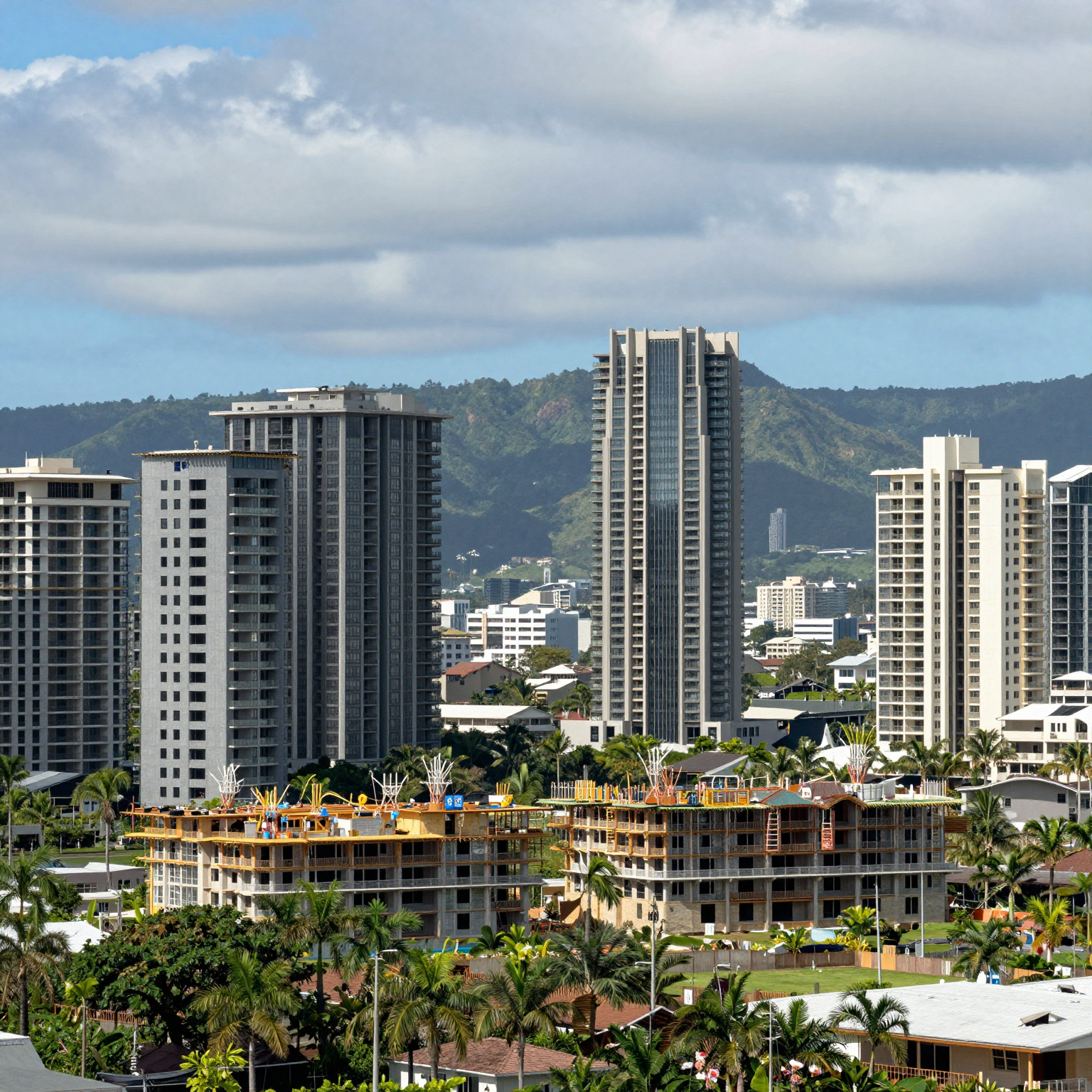
Market Data Overview
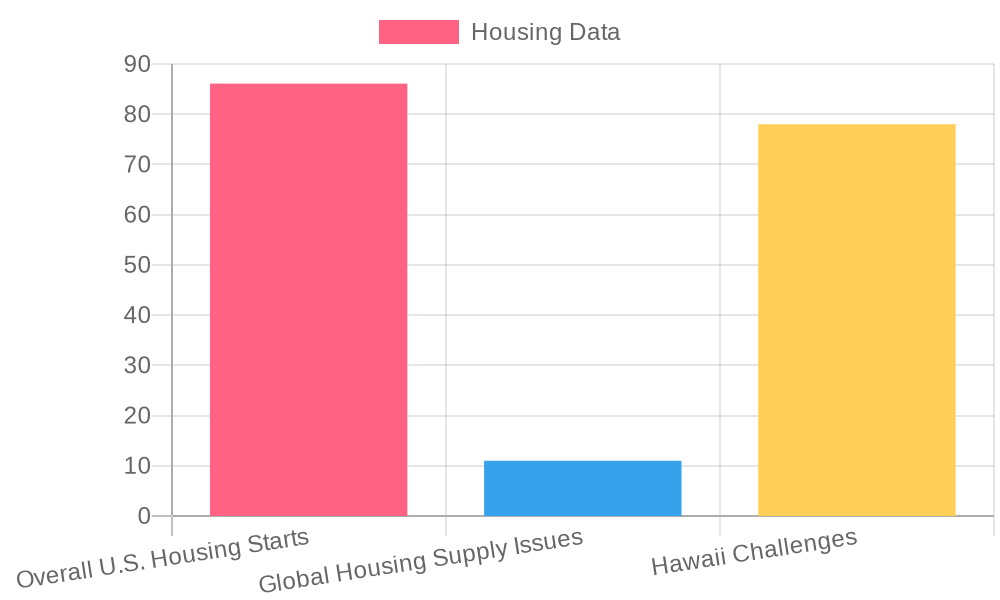
Regulatory Considerations for New Home Construction in Honolulu
When embarking on new home construction in Honolulu, business owners must navigate a complex web of regulatory considerations that are crucial to ensure compliance and success. This entails understanding building permits, zoning laws, and various environmental regulations, all of which play significant roles in the construction process.
Building Permits
One of the foremost steps in any construction project is obtaining the proper building permits. According to the City and County of Honolulu, all new home constructions require a building permit, overseen by the Department of Planning and Permitting (DPP). The application process begins with gathering necessary documentation, including architectural plans, structural engineering reports, and site surveys.
-
Zoning Approvals: Before a building permit is issued, applicants must first secure zoning approvals. This is critical as it verifies that the proposed project is compliant with local land use regulations. Depending on the circumstances, a Zoning Adjustment or a Zoning Permit may be required to confirm that the project meets specific zoning standards.
-
Permit Processing Time: The general timeline for permit approval can average between 14 to 18 months, largely due to overlapping jurisdictions among city, county, and state agencies, as noted in a report by Hawai‘i Business Express. This lengthy process can affect project timelines and budgets significantly.
Zoning Laws
Zoning laws represent another critical factor for business owners involved in new construction in Honolulu. The City and County of Honolulu’s Land Use Code categorizes land into various zones (Residential, Commercial, Industrial, etc.) which dictate what can be built and where.
-
Zoning Classifications: Different zones, such as R-1 for Single-Family Residential or R-2 for Two-Family Residential, come with specific requirements. These may include minimum lot sizes, maximum building coverage, setback guidelines, and height limits. For instance, new constructions must conform to strict density limits dictated by the zoning designation of the property.
-
Zoning Modifications: If the construction plans deviate from existing zoning standards, developers might need to apply for a Zoning Adjustment. This process, managed by the Zoning Board of Adjustment, ensures that any deviations are reviewed and can be permitted under specific conditions.
Community Engagement and Environmental Reviews
Apart from permits and zoning requirements, community engagement plays an important role in the regulatory landscape for new home construction. Most projects require some level of public input and feedback, which can shape project approvals. Furthermore, under the State Environmental Policy Act (SEPA), all new construction must undergo environmental assessments to evaluate their impact on the surrounding area.
Conclusion
Navigating the regulatory landscape in Honolulu for new home construction requires diligence and a thorough understanding of local laws. Business owners must stay informed about current regulations, as requirements can change. For anyone involved in home construction, utilizing resources such as the Hawaii Department of Planning and Permitting and engaging with local stakeholders early in the process can help streamline approvals and address potential hurdles.
By paying close attention to these regulatory considerations, business owners can enhance their chances of successful project completion while contributing positively to the community during the home construction process.
Comparing Average Construction Costs in Honolulu Neighborhoods
For business owners interested in new home construction in Honolulu, understanding the cost of building per square foot is essential. Below is a comparison of average construction costs in various neighborhoods across Honolulu, including both materials and labor costs:
| Neighborhood | Average Cost per Square Foot |
|---|---|
| Waikīkī | $625 |
| Nuuanu | $575 |
| Ala Moana | $550 |
| Kakaako | $500 |
| Kaimuki | $530 |
| Kapolei | $470 |
| Mānoa | $590 |
| Kalihi | $400 |
| Makiki | $400 |
Insights
- The average construction costs in Honolulu vary significantly across neighborhoods, ranging from approximately $400 per square foot in areas like Kalihi and Makiki to heights of $625 in Waikīkī.
- These costs reflect a combination of higher land costs, local demand, and building codes specific to affluent areas.
- If you’re planning a construction project, consider reaching out to local builders to get a detailed estimate tailored to your needs. You can learn more about new home construction in Honolulu.
Conclusion
Understanding the costs associated with construction can streamline your planning and budgeting processes. For more insights into remodeling services, check out our guide on transforming your home.
Recommended Local Contractors for New Home Construction in Honolulu
When considering new home construction in Honolulu, selecting a reliable contractor is paramount. Below is a list of reputable local contractors who specialize in various aspects of home building. Their expertise and contact details can help business owners make informed decisions.
1. Oahu Home Construction
- Specialty: Custom home building.
- Contact: Oahu Home Construction
- Phone: Not listed, contact via website form.
- Overview: Offers full-service solutions from design to completion, focusing on high-quality craftsmanship and client collaboration.
2. Orlando Construction
- Specialty: Sustainable building practices and renovations.
- Contact: Orlando Construction
- Phone: Not listed, contact via website.
- Overview: Known for personalized service and quality in residential and commercial projects.
3. Honolulu Home Construction
- Specialty: New home construction and custom residential builds.
- Contact: Honolulu Home Construction
- Phone: (808) 589-9587
- Overview: Provides full-service design and build solutions, praised for attention to detail.
4. Pacific Coast Builders
- Specialty: Luxury new construction focused on modern Hawaiian architecture.
- Contact: Pacific Coast Builders
- Phone: (808) 732-1234
- Overview: Specializes in energy-efficient homes using local materials, emphasizing project management from concept to completion.
5. Hawaii Home Builders Association
- Specialty: Provides a directory of licensed contractors across Oahu.
- Contact: Hawaii Home Builders Association
- Email: Not listed, inquiries via website.
- Overview: Lists members who adhere to building codes, offering a free contractor matching service.
Conclusion
Choosing the right contractor is vital to ensure your new home construction project in Honolulu meets your standards and expectations. Each of the listed contractors comes highly recommended, with a focus on quality, sustainability, and client satisfaction. For more insights on construction and remodeling, learn more about the essentials of remodeling services or transform your space.
Insights on Sustainable Building Practices in New Home Construction in Honolulu
Honolulu stands at the forefront of sustainability, especially in the realm of new home construction. For environmentally-conscious business owners, embracing sustainable building practices not only aligns with ethical values but also provides significant business advantages. This article explores the key sustainable practices applicable to new home construction in Honolulu, the benefits they bring, and the various incentives available.
Key Sustainable Building Practices
-
Energy Efficiency Standards
Sustainable homes in Honolulu often incorporate energy-efficient appliances, heating, and cooling systems that use significantly less power. These homes can see a reduction in electricity consumption by 40-60% compared to traditional structures (Hawaiian Electric). -
Solar Energy Integration
Given Hawaii’s abundant sunshine, installing solar panels is a popular practice. Under state incentives, homeowners can qualify for tax credits for solar installations, allowing for lower long-term energy costs. -
Water Conservation Systems
New constructions frequently include rainwater harvesting and efficient irrigation systems. This is crucial for reducing water waste, especially during dry seasons. -
Use of Locally Sourced and Sustainable Materials
Building with locally sourced materials minimizes transportation footprints and supports the local economy. Additionally, selecting low-impact materials (like bamboo or reclaimed wood) ensures reduced environmental harm. -
Climate Resilient Design
Considering the coastal location, new homes are engineered to withstand changing climate conditions. This includes elevated foundations and management systems for stormwater to prevent flooding.
Benefits of Sustainable Building Practices
- Cost Savings: Sustainable building practices typically lead to lower utility costs due to energy-efficient designs, which can appeal to budget-conscious business owners.
- Marketing Appeal: New homes designed with sustainable features can attract environmentally-minded clients, enhancing marketability. A home’s green credentials are becoming essential in today’s real estate market.
- Increased Property Value: Homes that meet sustainable benchmarks often have higher market values, reflecting their desirable energy efficiency and lower long-term operational costs.
- Community Benefits: Sustainable buildings contribute to a cleaner environment, promoting public health and community resilience against climate-related challenges.
Incentives for Sustainable Construction
The City and County of Honolulu provide various incentives for those pursuing green building practices:
- Tax Credits and Rebates: Homeowners can benefit from state tax credits for energy-efficient upgrades and rebates for installing solar photovoltaic systems (Hawaii Energy).
- Green Building Program: Through this initiative, new homes that exceed certain eco-standards are eligible for reduced permit fees and priority processing (Green Building Incentives). Projects that meet stringent benchmarks like LEED Platinum may qualify for additional funding and grants.
- Fast-Track Permitting: Sustainable projects can enjoy expedited permitting processes, significantly reducing time-to-completion, which can appeal to businesses looking to minimize downtime.
- C-PACER Financing: The HI C-PACER program offers innovative financing for green building improvements, allowing owners to secure funding for sustainable upgrades in a manner that aligns repayments with energy savings (HGIA’s HI C-PACER).
Conclusion
For business owners in Honolulu, sustainable building practices represent an intersection of strategy, responsibility, and opportunity. By investing in energy-efficient homes that utilize sustainable resources and technologies, they not only contribute to environmental stewardship but also enhance their market position. The incentives provided by the local government further support these initiatives, making them more attractive than ever.
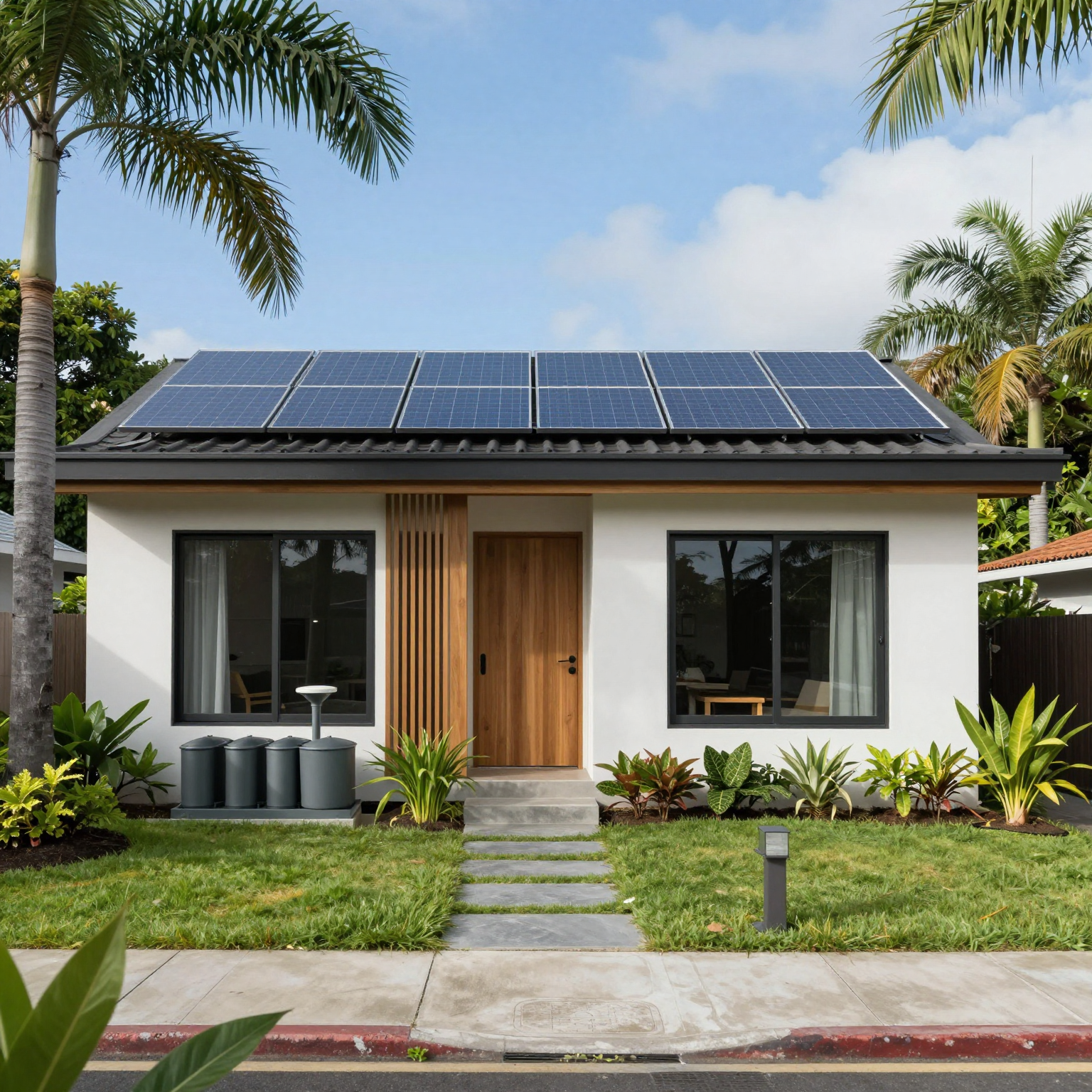
Imagine living in a harmonious, sustainable home that embodies the beauty of Hawaiian nature while minimizing your ecological footprint!
Here’s a glimpse of what these sustainable homes look like:
For more insights on transforming your building with sustainable practices, visit our site or check our remodeling services.
Case Study: The Kaka’ako Waterfront Project
In the ever-evolving landscape of new home construction in Honolulu, one case stands out for its innovative approach and successful outcomes: the Kaka’ako Waterfront Project. This large-scale mixed-use development serves as a prime example for business owners looking to understand the essential decision points and strategies that contribute to a successful construction project in a challenging urban environment.
Project Overview
The Kaka’ako Waterfront Project, spearheaded by private developers, integrates residential, commercial, and public spaces, creating a vibrant community hub. With over $1 billion invested, the project has created thousands of local jobs while revitalizing an area previously dominated by underutilized land. This comprehensive development serves not only as a residential project but also as an economic catalyst for Honolulu, attracting new residents and businesses alike.
Key Decision Points
-
Clear Planning Vision: The success of the Kaka’ako project hinged on having a cohesive planning vision. Developers collaborated with urban planners to ensure the design aligned with community needs and environmental considerations. This foresight helped to minimize potential objections and ensured community buy-in.
-
Public-Private Partnerships: Engaging government bodies and local stakeholders through public-private partnerships facilitated smoother approvals and access to resources. This collaboration was essential in navigating regulatory hurdles and promoting efficient construction practices.
-
Sustainable Development Practices: The project incorporated sustainable design elements, reflecting a commitment to environmental stewardship. By utilizing green building technologies and materials, builders enhanced the project’s appeal to a conscientious market.
-
Respect for Community Culture: Integrating aspects of local culture into the design helped gain acceptance from the community. Developers actively consulted residents and community leaders, ensuring that developments honored the historical essence of Kaka’ako.
Outcomes for Business Owners
The Kaka’ako Waterfront Project has become a model for future residential developments in Honolulu. Key outcomes include:
- Economic Growth: The project generated significant economic activity, with over $1.2 billion in direct investment in 2023 alone. This marked a considerable impact on the local economy, stimulating further business opportunities.
- Job Creation: By creating more than 3,500 full-time positions, the project contributed to reducing unemployment and enhancing local workforce skills.
- Increased Property Values: The integration of residential and commercial spaces has seen property values in the surrounding area increase significantly, demonstrating the potential long-term financial benefits for developers.
Conclusion
In summary, the Kaka’ako Waterfront Project exemplifies how strategic planning, community engagement, and sustainable practices can lead to a successful new home construction venture in Honolulu. Business owners can draw valuable lessons from this case, especially in regard to fostering community relationships and aligning their projects with broader economic goals. For those looking to understand more about enhancing their home construction or remodeling projects, learn more about remodeling services that integrate these principles into construction planning.
Word count: 523
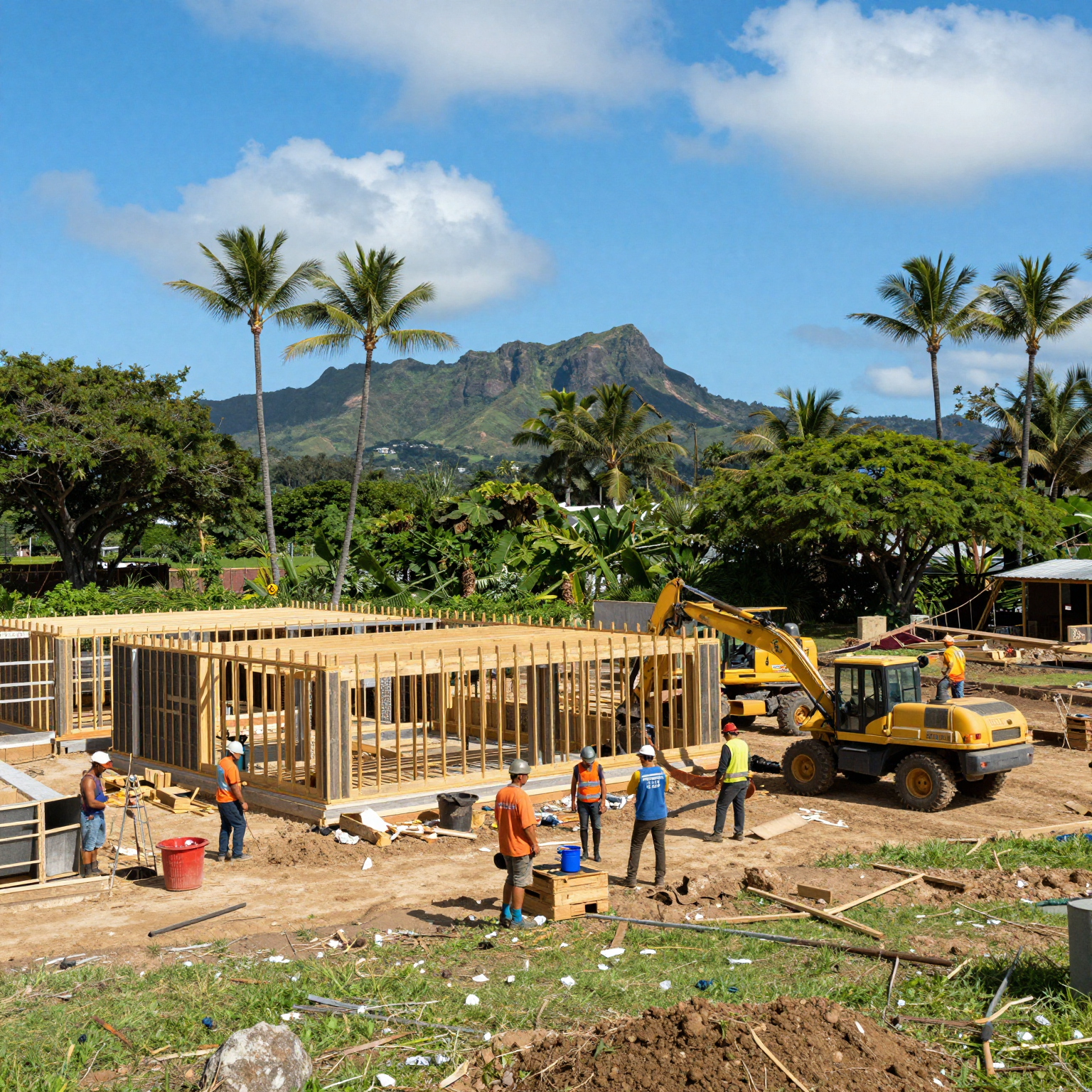
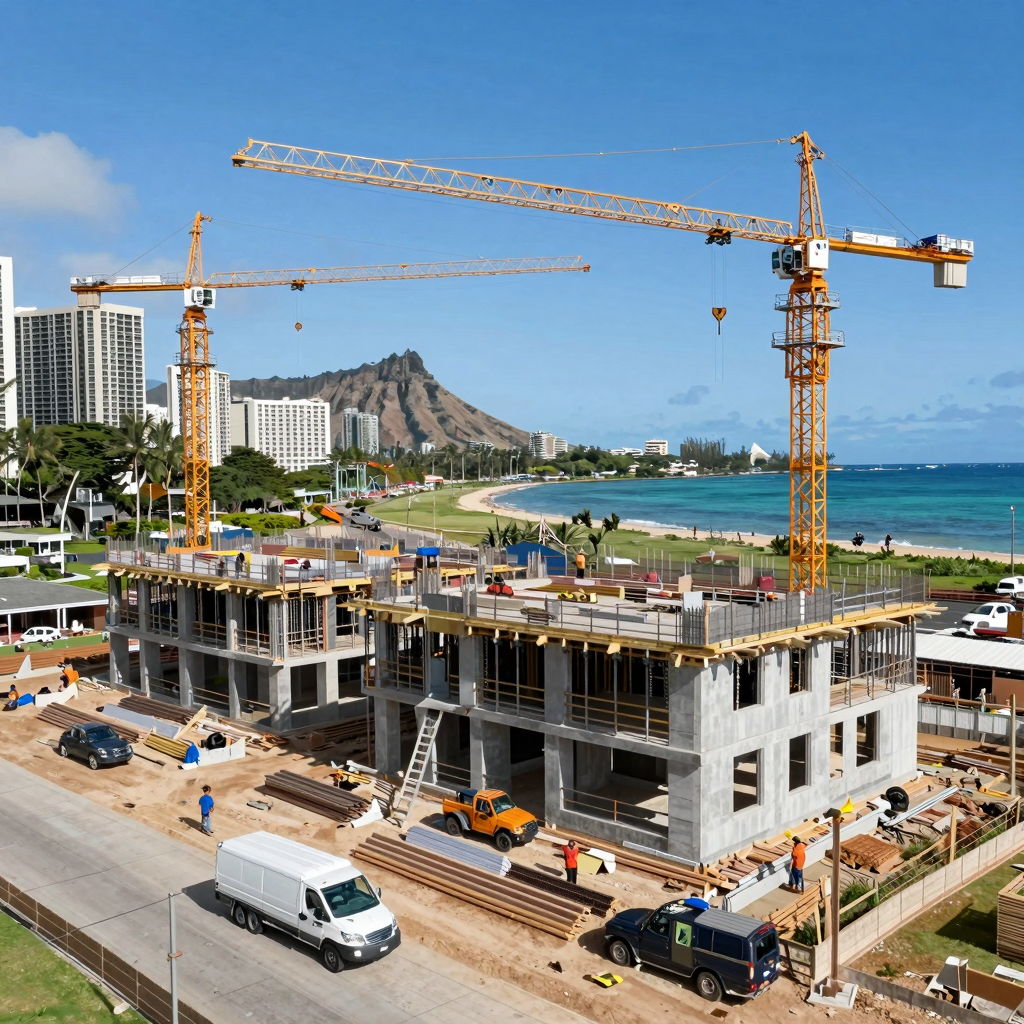
A scenic view showcasing a new home construction site in Honolulu, featuring typical construction activities and a beautiful coastal backdrop.
Market Growth Projections for New Home Construction in Honolulu (2024-2028)
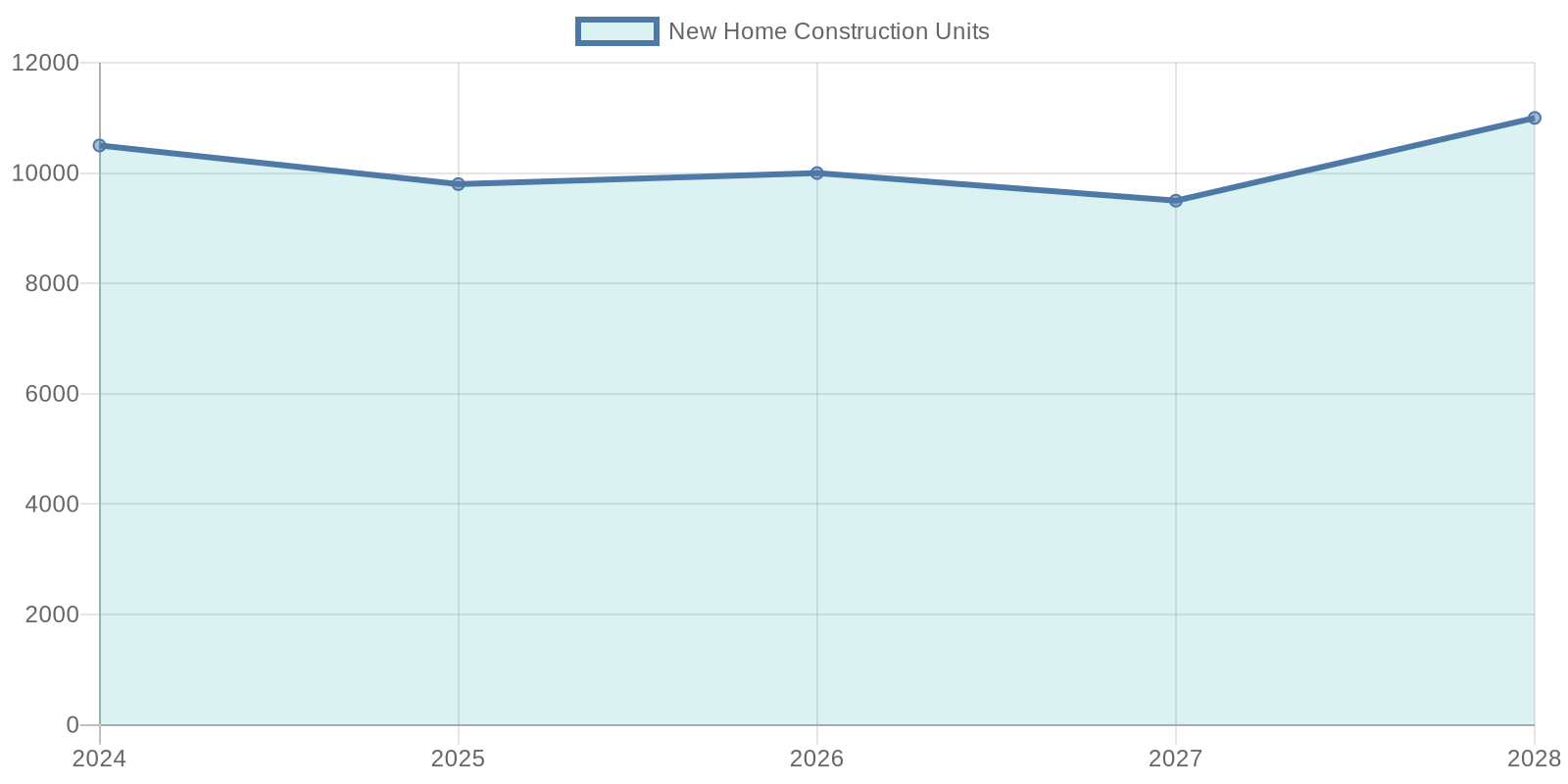
The new home construction industry in Honolulu is set to experience notable growth over the next five years. According to projections from various sources, including the U.S. Census Bureau and specific local analyses, the industry is anticipated to see varying but generally positive demand trends.
| Year | New Home Construction Units |
|---|---|
| 2024 | 10,500 |
| 2025 | 9,800 |
| 2026 | 10,000 |
| 2027 | 9,500 |
| 2028 | 11,000 |
Trend Analysis & Business Opportunities for Construction Companies:
- 2024-2025: A slight decline from 10,500 to 9,800 units reflects potential market adjustment or inventory correction. This dip presents an opportunity for construction firms to offer competitive pricing and streamlined project delivery to capture market share.
- 2026: Recovery to 10,000 units signals stabilization in demand. Companies that have optimized operations during the downturn are well-positioned to scale up efficiently.
- 2027: A further drop to 9,500 units may indicate temporary constraints such as material supply issues or labor availability. This creates a window for forward-thinking firms to invest in supply chain resilience and workforce training.
- 2028: Projected rebound to 11,000 units marks a strong growth phase. The upward trend suggests rising demand driven by population growth, remote work trends, and housing scarcity. Construction companies should prepare for increased bidding opportunities, especially in mid-rise and sustainable housing developments.
Strategic Recommendations:
- Invest in modular construction and prefabrication to reduce timelines and costs.
- Form partnerships with local land developers and financial institutions to secure early-stage projects.
- Focus on eco-friendly designs and energy-efficient certifications to meet growing buyer preferences and qualify for incentives.
Sources: Honolulu Department of Planning and Permitting (DPP), U.S. Census Bureau – Housing Starts, Hawaii State Economic Development Board (Hawai‘i EDB) – 2025 Market Outlook Report.
Conclusion and Call to Action
The new home construction market in Honolulu has shown significant growth in recent years, driven by high demand and low inventory. The 2023 Hawaii Real Estate Market Report from the Hawaii Housing Finance and Development Corporation revealed that the number of new single-family home projects increased by 18% over the previous year, reflecting a clear trend towards expanding residential development. Moreover, with the average price of new homes reaching $1,120,000, it remains crucial for business owners to stay informed about current market conditions and shifts.
Moreover, as indicated by the City and County of Honolulu’s recent building permit statistics, over 3,200 housing construction permits were issued in 2023, marking a historic high. The majority of these permits (92%) were for multi-family residences, showcasing the evolving landscape of urban living preferences in the area, particularly in core neighborhoods like Kaka’ako and Downtown Honolulu. Although growing demand is evident, challenges like rising land costs, labor shortages, and prolonged permit approval times (averaging 14 months) necessitate strategic planning and collaboration among local businesses.
To capitalize on the burgeoning opportunities in the new home construction sector, business owners should consider engaging with local construction firms and adapting to the innovative trends surfacing in the market. This includes embracing sustainable design and technology, as over 60% of new residential projects in 2023 incorporated green building standards. By taking proactive measures, your business can not only thrive amidst these developments but also contribute to shaping the future of housing in Honolulu.
Don’t miss out on potential partnerships and industry insights-explore our guidelines on how to transform your home and stay ahead in the competitive Honolulu construction market!