
As the home renovation sector witnesses an unprecedented surge, startups are at the forefront of this transformative trend. In 2023, the U.S. home renovation market was valued at an astounding $450 billion, and over 20,000 new home renovation businesses were launched between 2020 and 2023, illustrating the growing opportunities within this space. This boom can largely be attributed to a shift in homeowner priorities; more people are investing in their homes, with 72% of renovation startups focusing on kitchen and bathroom projects, according to a recent report by the National Association of Home Builders (NAHB). Moreover, the adoption of innovative digital platforms for project management has not only streamlined operations but has also led to a 25% increase in customer satisfaction scores compared to traditional firms. The desire for smart home integrations and the use of sustainable materials in renovations-now found in 60% of projects-further underscores the evolution of consumer preferences and environmental consciousness in this industry. As potential investors, business owners, and curious entrepreneurs navigate this exciting landscape, understanding these trends and the factors fueling the rise of home renovation startups becomes essential. For those looking to dive deeper into how remodeling services are transforming homes, explore the essentials of remodeling services and the ultimate guide to kitchen and bathroom renovations for comprehensive insights and strategies.
Benefits of Starting a Home Renovation Startup
The home renovation industry is witnessing robust growth, presenting aspiring entrepreneurs with numerous benefits. Here are the key advantages of starting a home renovation business:
1. Market Demand
The demand for home renovation services is continuously on the rise. In 2023, China’s home renovation sector has reached a market scale of over 7 trillion yuan, driven by factors like the aging housing stock and the need for modernization (source). Moreover, with an increasing number of homeowners seeking to enhance their living spaces, particularly for aging and outdated properties, there is a significant opportunity for startups that focus on this niche market.
2. Potential Profitability
Investing in the home renovation sector can be highly profitable. With an average gross margin exceeding 50% in this industry, businesses that offer both foundational and high-value services-such as smart home installations and aging-in-place adaptations-can capitalize on consumer demand for quality and personalized renovations. The diversity in services, from kitchen remodeling to entire home overhauls, allows for varied revenue streams, making it easier for startups to thrive in a competitive landscape.
3. Personal Satisfaction
There is immense personal fulfillment in transforming spaces and improving the quality of life for homeowners. Helping clients achieve their vision through renovation projects not only enhances their living environment but also provides immense job satisfaction for entrepreneurs and their teams. The creative process of design, planning, and execution can be rewarding, fostering a sense of purpose and achievement.
4. Emphasis on Sustainability
With growing awareness around sustainable living, many homeowners are prioritizing eco-friendly renovations. Startups that focus on using green materials and implementing energy-efficient solutions can attract a larger client base. In fact, a report indicated that over 60% of consumers are willing to pay a premium of 10%-20% for environmentally responsible renovations. This trend not only boosts profitability but also aligns with societal values about sustainability (learn more about remodeling services).
5. Support from Government and Policy
Governments are increasingly supportive of renovation projects aimed at revitalizing aging communities. This not only opens avenues for startups to tap into public sector projects but also signals a stable environment for investors. Financial incentives and grants are available for businesses that focus on energy upgrades and elder-friendly modifications (source).
Conclusion
Starting a home renovation business taps into a filled market with growth potential, strong profitability, personal fulfillment, and sustainable practices. By understanding market trends and consumer demands, entrepreneurs can position themselves at the forefront of the home renovation movement. Explore further about successful remodeling projects by checking out this ultimate guide to kitchen and bathroom renovations.
Top Challenges Faced by Home Renovation Startups
Starting a home renovation business can be an exciting venture, but it also comes with its own set of challenges. Here’s a list of the most common obstacles that home renovation startups face:
-
Regulatory Issues: Navigating local building codes, zoning laws, and obtaining necessary permits can be overwhelming for new businesses. Adherence to regulations is crucial to avoid legal issues, which include fines or project delays.
-
Funding Difficulties: Securing capital is a significant challenge, particularly for startups. Banks may require a solid business plan and collateral, which can be difficult for new entrants who might not have an established credit history. Additionally, fluctuating interest rates can impact borrowing costs, adding to financial strain.
-
High Competition: The home renovation market is saturated with established companies and new entrants, making it difficult to capture market share. Startups often face intense competition that drives down prices and impacts profit margins. Differentiating oneself in a crowded market can be particularly challenging.
-
Cost of Materials and Labor: The increase in material costs and labor shortages heightens the difficulty of completing projects profitably. Renovation startups must effectively manage their supply chain and labor workforce to avoid cost overruns.
-
Customer Acquisition: Finding new clients can be a major obstacle. High customer acquisition costs associated with marketing, such as online advertising and social media campaigns, can be prohibitive for new businesses. Engaging potential customers and establishing trust is paramount in a sector where referrals greatly influence success.
-
Economic Volatility: Changes in the economic landscape, especially in real estate and consumer spending, can significantly affect renovation projects. Economic downturns may lead to fewer homeowners willing to invest in renovations, thus impacting the startup’s revenue.
-
Quality Control: Maintaining high-quality standards while managing multiple projects is essential. Startups often struggle with consistency, risking damage to their reputation without a robust quality control system.
-
Staff Training and Retention: Investing in the training of skilled labor can be resource-intensive. Finding qualified staff and retaining them amidst high turnover rates is a common challenge, especially in niche markets where specialized skills are required.
For more insights on starting a renovation business, you can learn about the essentials of remodeling services or explore the ultimate guide to kitchen and bathroom renovations.
Embracing the Entrepreneurial Journey in Home Renovation
Starting a home renovation business can be both exciting and daunting. The initial steps involve understanding your market, planning your services, and preparing yourself for the challenges ahead. Entrepreneurs in the home renovation industry often share a common vision: to transform spaces and, by extension, the lives of their clients.
In the home renovation landscape, every project is a unique challenge, demanding creativity, strategic thinking, and a hands-on approach. Many successful entrepreneurs have taken the plunge into this field, motivated by their passion for design and a desire to improve living spaces. Their journeys often reflect resilience and a deep commitment to their craft, as they learn from each project and client experience.
“The road to success is always under construction.”
- Lily Tomlin
This quote resonates profoundly within the home renovation industry. It emphasizes that achieving success is not instantaneous; it’s a continuous path marked by learning and adaptation. For those starting their own renovation business, each completed project is both a victory and a lesson, reinforcing the need for flexibility and perseverance.
As you embark on your entrepreneurial journey, consider the insights shared by established professionals. They often highlight the importance of a strong brand identity and clear communication with clients. For instance, Simon Sinek famously stated, “People don’t buy what you do, they buy why you do it.” In the context of home renovations, this means that understanding and articulating your mission can set you apart in a competitive market. Clients are drawn to companies that resonate with their values, be it sustainability, quality craftsmanship, or customer-centric service.
Another inspiring perspective comes from the belief that every renovation is an act of creation. It requires vision and a willingness to embrace change. As you structure your business approach, think about how you can rejuvenate not only homes but also the experiences of those who inhabit them. Developing your unique selling proposition could involve focusing on innovative design trends or exceptional customer service, making your business memorable in the eyes of potential clients.Learn more about the essentials of remodeling services here.
Engaging with the right partners and suppliers can also significantly enhance your startup’s prospects. Networking within the industry-attending trade shows, joining associations, or participating in local business events-helps in building a robust support system that can provide guidance and resources crucial for growth.
In conclusion, starting a home renovation business is not merely about the physical tasks at hand but also about nurturing a mindset of resilience, creativity, and continuous learning. As you dive into this rewarding field, remember that each challenge you face is an opportunity for growth, both personally and professionally.
Successful Case Studies in Home Renovation Startups
Home renovation is a booming industry, and several startups have emerged with innovative approaches that not only transform homes but also create successful business models. Here, we summarize two notable case studies that exemplify successful strategies in this sector.
1. RenovateCo: Transforming a 1920s Fixer-Upper
Business Model: RenovateCo, based in Austin, Texas, focused on renovating older homes, specifically targeting dilapidated properties that could be revitalized for modern living.
Key Strategies:
- Sustainable Materials: Utilized eco-friendly building materials, enhancing the home’s appeal to environmentally conscious buyers.
- Smart Home Integration: Modernized properties by incorporating smart technology, increasing functionality and market appeal.
- Digital Collaboration Platform: Leveraged an online platform to streamline communication between clients and contractors, improving project management.
Outcomes:
This project involved structural stabilization and complete overhauls of kitchens and bathrooms. Notably, RenovateCo completed the renovation 30% under budget and sold the property for 45% above its initial market value. This case exemplifies the effectiveness of cost management and innovative design in securing remarkable returns on investment. (Read more).
2. BuildBright: From Local Startup to National Brand
Business Model: BuildBright started with the mission to redefine client engagement in home renovation through a design-centric approach.
Key Strategies:
- Client Co-Creation: Developed an interactive app that allowed clients to co-design their renovations, fostering greater satisfaction.
- Word-of-Mouth Growth: Achieved a 90% client satisfaction rate, leading to rapid organic growth through referrals.
- Funding for Expansion: Secured $2 million in Series A funding to scale operations while maintaining high quality across multiple locations.
Outcomes:
Starting with one project in Portland, BuildBright has expanded to four states within a few years. This growth highlights how technology-driven strategies can efficiently scale new businesses in the competitive home renovation landscape. (Learn more about home renovation strategies).
These case studies demonstrate how innovative approaches and effective project management can lead to significant achievements in the home renovation industry, providing valuable insights for aspiring entrepreneurs in this sector.
Essential Skills for Running a Renovation Startup
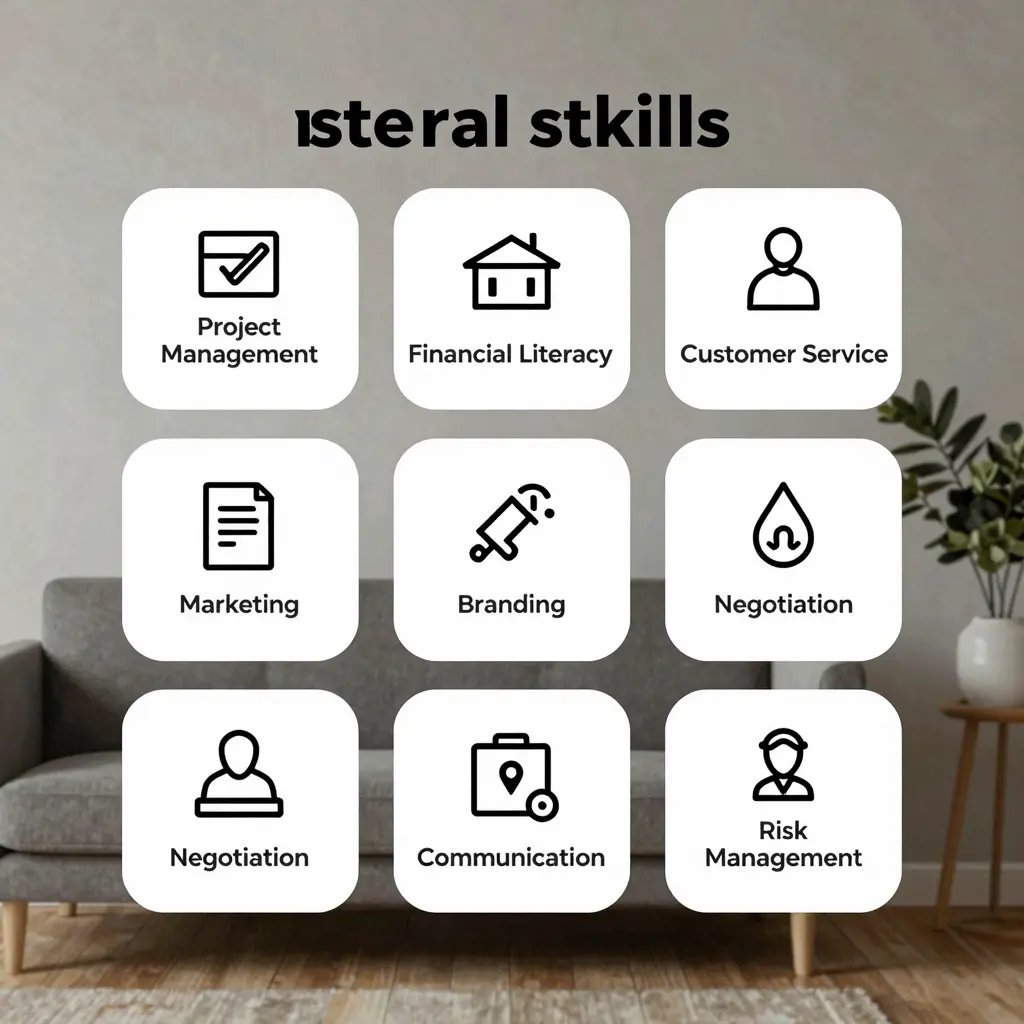
Starting a home renovation business requires more than just knowledge of construction and design; it necessitates a diverse set of skills that can drive a project from concept to completion effectively. Here are the critical skills every renovation business owner should develop:
1. Project Management
Effective project management is crucial in the renovation industry. Business owners must oversee timelines, budgets, and subcontractors effectively to keep projects on track. Familiarity with project management tools can enhance efficiency and coordination among team members. Learn more about transforming your space.
2. Financial Literacy
A solid grasp of financial principles is essential, including cash flow management, accurate job pricing, and understanding taxes related to business operations. Owners should also be able to conduct cost-benefit analyses to make informed decisions.
3. Customer Service
Exceptional customer service is critical for building and maintaining client relationships. Happy customers lead to referrals, which are vital for business growth. Excellent communication can help manage expectations and resolve issues promptly.
4. Marketing and Branding
In today’s digital age, having a strong online presence is paramount. Business owners should be skilled in marketing strategies to generate leads and promote their services effectively.
5. Negotiation Skills
Strong negotiation skills are necessary for securing favorable deals on materials and managing relationships with vendors. Being able to negotiate effectively can lead to cost savings and better project outcomes.
6. Communication
Clear and transparent communication with clients, contractors, and team members is vital for minimizing misunderstandings and ensuring that everyone is aligned on project goals.
7. Risk Management
Identifying potential risks that could disrupt projects and implementing strategies to mitigate these risks is fundamental. This skill helps ensure that projects are completed on time and within budget.
For a deeper dive into specific renovation services, check out this ultimate guide to kitchen and bathroom renovations.
Comparing Funding Options for Home Renovation Startups
When it comes to funding home renovation startups, various options are available, each with its own set of pros and cons. Understanding these can help you make an informed decision that aligns with your business goals. Below is a comparison table highlighting loans, grants, and venture capital.
| Funding Option | Pros | Cons |
|---|---|---|
| Loans | – Offers substantial capital – No equity dilution – Flexible repayment options |
– Requires collateral – Interest payments can be high – Strict credit requirements |
| Grants | – Non-repayable funds – Can cover a significant portion of costs – Often comes with mentorship or expertise |
– Highly competitive – Limited to specific projects or demographics – Lengthy application process |
| Venture Capital | – Access to large sums of money – Additional business expertise and network – Potential for exponential growth |
– Dilution of ownership – High expectations for growth – Pressure to deliver quick returns |
Conclusion
Given the unique needs of home renovation startups, it’s crucial to evaluate these funding sources carefully. Loans can be beneficial for immediate cash needs without giving up equity, while grants can provide financial relief that doesn’t require repayment but may be harder to secure. Conversely, venture capital can accelerate growth but at the cost of ownership. For more detailed insights into home remodeling services, you can learn more about remodeling essentials or explore our guide to kitchen and bathroom renovations.
Effective Marketing Strategies for Home Renovation Startups
Starting a home renovation business comes with its own set of unique marketing challenges and opportunities. To effectively attract and retain clients in this competitive landscape, home renovation startups must adopt a multifaceted marketing strategy that leverages digital platforms, community engagement, and targeted advertising. Here are several effective marketing strategies tailored for home renovation startups:
1. Build a Strong Online Presence
A significant portion of today’s consumers starts their search for home renovation services online. This underscores the need for a well-designed, SEO-optimized website. Key aspects include:
- Portfolio of Work: Showcase before-and-after images, detailed project descriptions, and client testimonials. Including videos can further engage potential clients.
- Blogging and Content Marketing: Position your startup as an authority by providing valuable content. Discuss topics such as the essentials of remodeling services and tips for kitchen and bathroom renovations.
2. Utilize Social Media
Platforms like Instagram and Pinterest are visually driven, making them ideal for showcasing renovation projects. Engage potential clients by:
- Posting project timelines and transformations.
- Running polls or Q&A sessions.
- Engaging with local communities through targeted advertising.
Highlighting creative designs can create buzz and attract organic followers.
3. Networking and Partnerships
Building relationships within the community can significantly enhance your business’s visibility. Consider:
- Joining Local Organizations: Engage with local chambers of commerce or business networks to meet potential clients and partners.
- Collaborating with Interior Designers: Partner with local designers or real estate agents to generate mutual referrals.
4. Targeted Local Advertising
Utilizing local advertising can maximize your outreach. This includes:
- Optimizing Your Google Business Profile: Ensure your profile contains accurate information and high-quality images to attract local searches.
- Running Facebook Ads Targeted by ZIP Codes: Utilize geo-targeted ads to reach homeowners looking for renovation services specific to your area. This can be a cost-effective way to acquire leads. A detailed guide on this can be found in the HomeAdvisor local marketing strategies.
5. Customer Engagement and Reviews
Encouraging satisfied clients to leave positive reviews on platforms like Google and Houzz can significantly boost your credibility. Highlighting testimonials on your website can further enhance trust with potential clients.
Conclusion
By implementing these strategies, home renovation startups can effectively reach their target audience and establish themselves as reputable brands in their communities. Stay ahead of trends and continually adapt your approach as consumer needs evolve.
Conclusion
In conclusion, the world of home renovation offers lucrative opportunities for entrepreneurship that can empower business owners to innovate and drive success. As we have explored throughout this article, there are several key points to remember:
-
Market Demand for Customization: 2023 has seen a significant increase in consumer demand for personalized and high-quality home solutions. The growing trend towards customization in home renovation allows entrepreneurs to carve out a niche by offering tailored services and products. This is not just about aesthetics; it also addresses functionality, ensuring that spaces meet the unique needs of clients. By understanding and leveraging this demand, business owners can position themselves advantageously in the market.
-
Leveraging Technology: The integration of technology in home renovation is redefining the industry. From digital design to smart home products, utilizing technology not only enhances service delivery but also attracts tech-savvy clients. Entrepreneurs who embrace these advancements are likely to stay ahead of the competition. To learn more about how to effectively transform spaces using innovative strategies, check out Transforming Spaces: The Art of Home Remodeling.
-
Tax Incentives through Renovation: Business owners can benefit from upgrading their home offices. Renovating dedicated workspace can lead to significant tax deductions, including expenses for improvements that increase functionality. Such renovations, as noted in various sources, can support higher claims under the IRS home office rule. For further details on how to maximize these benefits, refer to Home Office Deductions for Business Owners.
-
Sustainability and Environmental Awareness: Today’s consumers are increasingly aware of sustainability. Entrepreneurs in home renovation who focus on eco-friendly practices and materials can appeal to this conscious market, thus enhancing their brand reputation and attracting a broader clientele.
-
Networking and Collaboration: Building relationships within the industry is vital. By collaborating with suppliers, contractors, and other professionals, entrepreneurs can create a comprehensive service offering that addresses all aspects of home renovation. Networking also opens doors for partnerships that can lead to new business ventures.
In essence, the home renovation sector is ripe with potential for business owners willing to innovate and adapt. As we move forward, it’s important to continually assess the market trends and consumer preferences in order to remain relevant and successful.
Now is the time to step into the world of home renovation entrepreneurship. With the right strategies, tools, and collaborations, you can transform your passion for renovation into a thriving business. Embrace the opportunity to create beautiful, functional spaces while carving out your path to success in the renovation industry. Start your entrepreneurial journey today!
Home Renovation Trends in 2023
The home renovation industry is experiencing exciting shifts as homeowners prioritize comfort, functionality, and aesthetics in their living spaces. Here’s a look at some key trends in 2023:
Popular Styles
- Modern Minimalist: Simplistic designs with clean lines, bright colors, and an emphasis on natural light are leading the way.
- Open Floor Plans: This layout maximizes space and encourages a communal feel, bridging living areas seamlessly.
- Vintage Aesthetics: A resurgence of retro styles that blend historical elements with modern conveniences continues to attract homeowners seeking character.
Trending Materials
- Smart Glass: This innovative material can adjust its transparency based on the light and temperature, enhancing energy efficiency.
- Self-Healing Concrete: This cutting-edge technology helps repair cracks automatically, increasing the longevity of structures.
- Marble and High-Quality Textures: Rich materials like marble bring an opulent feel to environments, marrying aesthetics with sturdiness.
Cutting-Edge Technologies
- Programmable Materials: These materials respond to environmental changes, providing dynamic and adaptable living environments.
- Smart Home Technology: With the integration of IoT devices, automation continues to rise, making homes not just smarter but also more responsive to the needs of the occupants.
Conclusion
As a business owner in the home renovation sector, understanding these trends can help tailor your services to meet the evolving demands of homeowners. For more comprehensive insights into the required renovation services, check out our guide on transforming your home. With these trends in mind, your business can thrive in the dynamic landscape of home renovations.