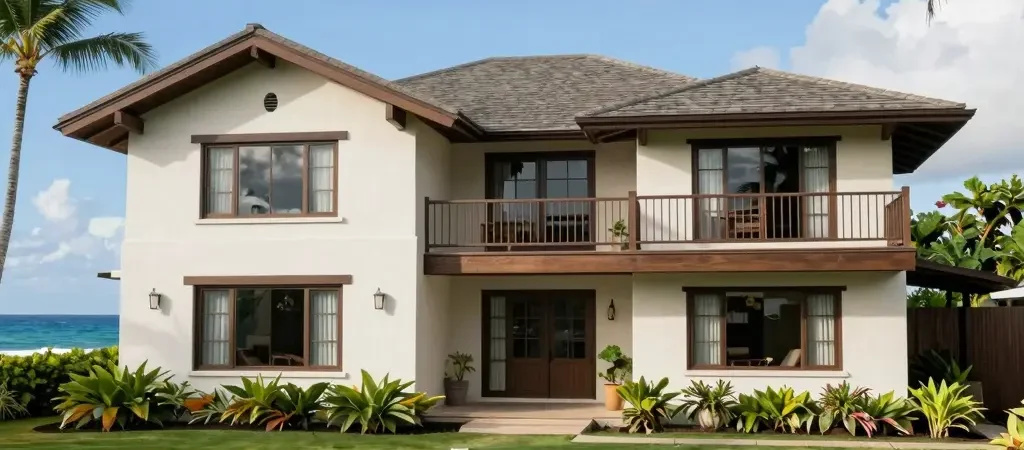
The Allure of Custom Homes in Hawaii
Hawaii, with its breathtaking landscapes and vibrant culture, offers a unique backdrop for those seeking to build their dream home. The allure of custom homes in this tropical paradise lies not only in their aesthetic appeal but also in the personal touch they provide. Imagine a home that reflects your lifestyle, harmonizes with the natural environment, and incorporates sustainable practices while showcasing breathtaking views of the Pacific Ocean or emerald mountains. By choosing custom home builders in Hawaii, you are investing in a property that is tailored specifically to your needs and desires.
The significance of investing in custom-built homes cannot be overstated; these residences often incorporate local materials and cultural elements that echo the rich Hawaiian heritage. This commitment to authenticity is evident in various design choices, from traditional Polynesian architectural features to modern sustainable solutions, making every custom home a reflection of the island’s spirit.
Furthermore, as highlighted by sources such as the Hawaii Home Builders Association, a custom home can enhance your quality of life by optimizing the use of space and ensuring energy efficiency in the tropical climate. This ideal blend of comfort, aesthetics, and cultural respect makes custom homes a wise investment in Hawaii’s competitive real estate market. Choosing to collaborate with experienced builders enables you to fully realize this dream, ensuring your home is not just a building but a sanctuary that resonates with the beauty and essence of Hawaii.
Factors to Consider When Hiring Custom Home Builders in Hawaii
When it comes to custom home building in Hawaii, several critical factors need to be considered to ensure a successful project. These include local regulations, material selection, budget, and cultural integration. Here’s a concise list:
-
Local Regulations: Understand the permitting process specific to Hawaii. Builders must comply with intricate zoning laws and building codes, which vary significantly between islands such as Oahu, Maui, and the Big Island. For more on this, check the Hawaii Department of Business, Economic Development for relevant guidelines.
-
Experience with Island-Specific Materials: Choose builders who are well-versed in local materials that can withstand Hawaii’s unique climate. This includes knowledge about wood species resistant to humidity and materials that can endure coastal conditions.
-
Integration of Local Culture: Hiring builders who appreciate and integrate local Hawaiian culture into construction can enhance the home’s character. Builders familiar with traditional Hawaiian architecture can blend modern needs with local aesthetics effectively.
-
Budget Considerations: Factor in the costs associated with high shipping fees for materials and labor rates specific to Hawaii. Look for contractors who provide transparent pricing models and detailed estimates to avoid budget overruns.
-
Timelines: Construction timelines in Hawaii may extend beyond typical timeframes due to the permitting process, which often involves environmental reviews. Ensure that the builder has a proven track record of managing these timelines effectively.
-
References and Track Record: Interview multiple builders and ask for references from past projects specifically in Hawaii to verify their familiarity with local challenges and their overall performance.
By considering these aspects, you can select a reliable custom home builder who understands the intricacies of Hawaii home construction and can help bring your vision to life.
Current Trends in Custom Home Building in Hawaii
Custom home builders in Hawaii are witnessing transformative trends in 2023, driven largely by environmental awareness, energy efficiency, and evolving architectural preferences. Here’s a closer look at the key factors shaping the industry:
Sustainability Practices
Hawaii’s unique environment is pushing custom home builders to adopt sustainable construction practices. 78% of builders reported using sustainable materials, such as recycled steel and bamboo flooring, demonstrating a commitment to eco-friendliness. Additionally:
- Rainwater Harvesting: About 65% of new custom homes feature rainwater harvesting systems, particularly on Oahu and Maui, helping homeowners reduce water usage.
- Native Landscaping: 41% of homes now include native landscaping or xeriscaping, which supports local ecosystems and minimizes resource consumption.
Energy Efficiency
Energy efficiency is a top priority for homeowners in Hawaii, with a staggering 92% of new homes adhering to ENERGY STAR certification standards or higher. Builders are integrating:
- Solar Panels: An impressive 87% of new constructions incorporate solar panels, up from 68% in 2020.
- High-Performance Features: 74% utilize high-performance windows and doors designed to improve insulation and energy conservation.
These advancements not only lower energy bills but also align with Hawaii’s goal of achieving 100% renewable energy by 2045.
Architectural Styles
The popularity of specific home styles is also evolving. Modern Hawaiian architecture remains dominant, representing 43% of custom builds. This style emphasizes open floor plans and a seamless connection between indoor and outdoor spaces. Here’s a breakdown of popular designs:
- Modern Hawaiian: Open floor plans and large covered lanais.
- A-frame and Mid-century Modern: Gaining traction, now comprising 22% of new builds, these styles often incorporate natural materials.
- Traditional Hawaiian Plantation: Attracting buyers for their cultural significance, these homes are seeing a resurgence, making up 15% of new constructions.
Conclusion
As custom home builders in Hawaii continue to align with sustainability and efficiency, they not only meet consumer demands but also play a pivotal role in preserving the unique culture and environment of the islands. For detailed insights on transforming your home with expert remodeling services, check out our ultimate guide to home renovations.
Visual Data
Below is a chart showcasing the trends in custom home building in Hawaii for 2023:
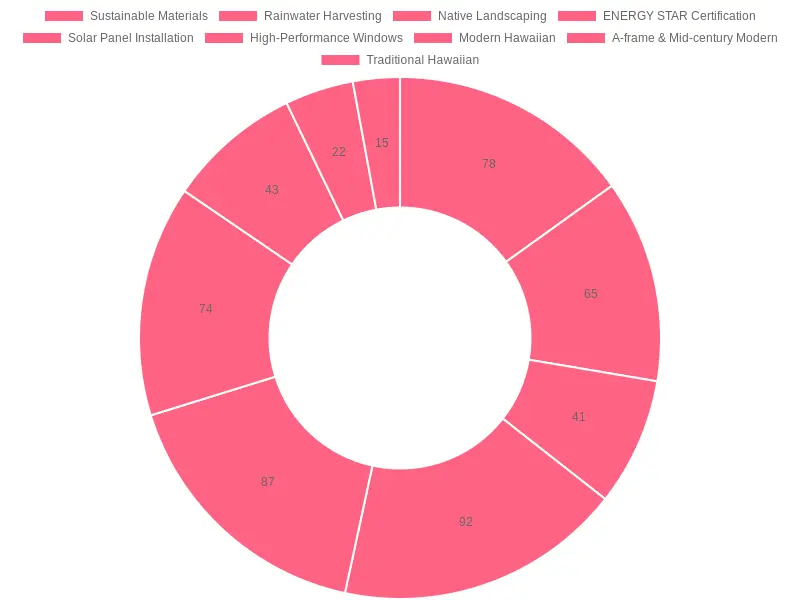
This summary highlights the important shifts in the custom home market, emphasizing the growing importance of sustainability and energy efficiency while reflecting the preferences of a diverse community.
Additional Resources:
To learn more about custom home construction in Hawaii or to explore specific building techniques, visit our dedicated page on new home constructions.
Building a custom home in Hawaii is an exhilarating yet complex journey that requires thorough planning, commitment, and patience. As business owners keen on collaborating with builders, understanding this step-by-step process will not only help you make informed decisions but also ensure that your dreams turn into reality. Here’s a detailed breakdown of the essential stages involved in constructing a custom home in Hawaii.
1. Initial Consultation
The journey begins with an initial consultation. At this stage, you should discuss your vision, needs, and budget with your selected custom home builders in Hawaii. It’s essential to include specifics like:
- Desired Home Size: How many bedrooms and bathrooms do you need?
- Architectural Style: Do you prefer traditional Hawaiian architecture, modern aesthetics, or sustainable designs?
- Budget Constraints: Clearly outline your financial boundaries to help set realistic expectations.
During this meeting, you can also seek valuable insights from construction professionals about local building codes and environmental considerations specific to Hawaii. Engaging in a consultation early on establishes a solid foundation for a successful project.
Learn more about construction challenges in Hawaii.
2. Design Phase
The design phase is where your vision starts to take shape. Collaboration with architects or designers is crucial, especially those familiar with local building codes. Here’s what to focus on during this phase:
- Architectural Plans: Your team will create detailed blueprints reflecting your preferences.
- Environmental Assessments: This may include checking if the land is suitable for construction, including geological tests for seismic and wind resistance.
- Material Selection: Consider incorporating sustainable materials that blend with the local environment, which is crucial for reducing the ecological impact.
Emerging trends emphasize integrating smart home technology, energy efficiency, and resilience against natural disasters into the designs. You may want to consult the Hawaii Business Magazine for the latest design trends that include integrating solar energy systems and efficient insulation techniques.
3. Permitting
Once your designs are finalized, the next step is securing necessary permits. The permitting process in Hawaii is known to be stringent, so partnering with a builder experienced in navigating these waters is invaluable. Here are key points:
- Submit Plans: You’ll need to submit architectural and engineering plans to the local county building department.
- Compliance Review: Ensure your plans comply with Hawaii’s Building Code, which includes seismic safety and energy efficiency standards.
- Environmental Review: If your project is near sensitive areas, an environmental assessment may be required.
Permitting can take anywhere from 6 to 12 months, so plan for potential delays. Engaging with a knowledgeable contractor can streamline this process and help mitigate risks associated with unexpected expenses.
For additional resources on the permitting process, check the State of Hawaii Department of Business, Economic Development & Tourism.
4. Construction Phase
After obtaining the necessary permits, the construction phase begins. This is where your visions start coming to life. The importance of hiring a reliable general contractor cannot be overstated. During construction, keep an eye on:
- Site Preparation: Ensure that the land is adequately graded and prepared for construction.
- Material Sourcing: Due to Hawaii’s unique geography and import challenges, sourcing quality materials in a timely manner is crucial.
- Quality Control: Regularly inspect construction progress to ensure it adheres to design specifications and building codes.
Construction in Hawaii must also consider the area’s climate, particularly wind and potential storms. Your builder should employ construction techniques and materials that reflect these local challenges, giving your home longevity and resilience.
5. Final Walkthrough
Once construction is complete, a final walkthrough with your builder is essential. This step allows you to:
- Inspect the Building: Check all aspects of your home, from fixtures to structural integrity.
- Address Concerns: If anything doesn’t meet your expectations, raise issues immediately.
- Completion Documents: Ensure you get all necessary documents, including warranties and maintenance guidelines.
This final walkthrough is your opportunity to discuss any minor adjustments or finishings that may be required before you officially take possession of your new home.
Conclusion
Building a custom home in Hawaii can be a rewarding experience, especially when you understand the key phases involved. From the initial consultation through to the final walkthrough, engaging reputable custom home builders in Hawaii allows for a seamless process and mitigates many of the potential pitfalls associated with home building. By being informed and involved in each step, you can ensure that your dream home reflects your unique vision and adheres to the island’s standards and regulations.
Stay ahead in this transformative journey, and remember that thorough research and professional guidance are your best tools for success. If you’re considering a remodeling project after your home is built, explore our home remodeling services for enhancing your newly constructed home.
By understanding and embracing this process, your journey in building a custom home can become a rewarding venture that extends beyond mere construction to embody the essence of Hawaiian living.
| Builder | Experience | Specializations | Client Reviews | Price Range |
|---|---|---|---|---|
| Canaan Builders | 40+ years | Custom luxury homes, high-end remodels | A+ Rating (BBB) | Starts from $750,000 |
| Hawaii Custom Building LLC | Not specified | Custom home building | Excellent reviews | $450 – $1,000 per sq. ft. |
| J & Z Custom Home Builders | Not specified | Large-scale remodels, complex installations | Highly rated on Yelp | Competitive rates |
Builder Details
-
Canaan Builders: With over 40 years in the industry, Canaan Builders specializes in high-end custom residences. They prioritize quality craftsmanship and client satisfaction, making them a leading choice for luxury homes in Hawaii. For more details, visit their website.
-
Hawaii Custom Building LLC: Recognized for their custom home building services, they rank in the top licensed contractors in Hawaii, with verified positive client feedback indicating robust satisfaction rates. Details about their pricing are less defined but are generally competitive for the market.
-
J & Z Custom Home Builders: Focused on large remodels, they have garnered a reputation for excellent project management and attention to detail, praised by clients for their results.
These builders illustrate the range of options available in Hawaii for custom home projects, from mid-range homes to luxury estates. Builders often have varied pricing based on the complexity of designs and materials used, making it essential to consult with them directly for specific project costing. For more insights into home building in Hawaii, check out our guide on custom home building trends.
The Importance of Sustainability in Custom Home Building in Hawaii
In the picturesque backdrop of Hawaii, the significance of sustainability in custom home building cannot be overstated. Given the state’s unique geographical features and environmental challenges, adopting eco-friendly home building practices is crucial. With the vulnerability to climate change effects such as rising sea levels and extreme weather events, it’s imperative for custom home builders in Hawaii to integrate sustainability into their practices fully.
Why Sustainability Matters in Hawaii
Hawaii’s natural resources are both unique and limited. The state’s reliance on imported energy and water highlights the need for self-sufficiency. Sustainable construction techniques, such as utilizing local and renewable materials, not only lessen the carbon footprint associated with transportation but also promote the local economy. For instance, the use of bamboo and reclaimed wood in building significantly reduces the embodied carbon from construction processes. As reported by the Hawaii Green Building Council, building homes that emphasize energy and water independence can drastically decrease a household’s long-term operating costs while protecting Hawaii’s delicate ecosystems.
Green Building Practices in Action
Custom home builders in Hawaii are increasingly embracing green construction practices. Many new homes are designed to be energy-efficient, incorporating features such as solar panels and rainwater harvesting systems. An exemplary model of this approach is the net-positive home showcased by LifeEdited, which demonstrates that it is possible to generate more energy than it consumes, thereby setting a benchmark for sustainable living in the region (ArchDaily). These homes not only meet but often exceed the standards set by LEED (Leadership in Energy and Environmental Design) certification.
Eco-Friendly Materials and Innovations
One of the hallmarks of sustainable home building in Hawaii is the commitment to environmental responsibility. Builders are prioritizing the use of locally sourced materials which significantly mitigates transportation emissions. Additionally, innovative building techniques such as insulated concrete forms (ICFs) are being utilized for their superior thermal efficiency. Builders are also applying smart technologies to manage energy consumption more effectively, helping to achieve net-zero energy consumption levels (Pacific Business News).
Native landscaping is another key element in sustainable construction, tailored to reduce irrigation needs, ensuring that new developments do not place undue stress on Hawaii’s limited water resources. This not only conserves water but also enhances the natural aesthetics of the environment, creating harmony between homes and the lush tropical surroundings.
Policy Support for Sustainable Building
The move towards sustainable construction is also supported by Hawaii’s updated building codes, which now emphasize higher energy efficiency and water conservation standards for residential buildings. Homeowners who comply with these standards are eligible for various incentives, such as tax credits and rebates, when they install energy-efficient features including solar water heaters and drought-resistant landscapes (Hawaii State Department of Health). These policies aim to lessen the dependence on imported fossil fuels and prepare the state for climate-related challenges.
Conclusion
In summary, sustainability in custom home building in Hawaii is more than a trend; it is a necessity. As the state wrestles with unique environmental challenges, builders are called to innovate and adapt to create homes that are not only beautiful but also eco-friendly. By adopting sustainable construction practices, custom home builders in Hawaii contribute to a healthier planet and a more resilient future for the islands-one home at a time.
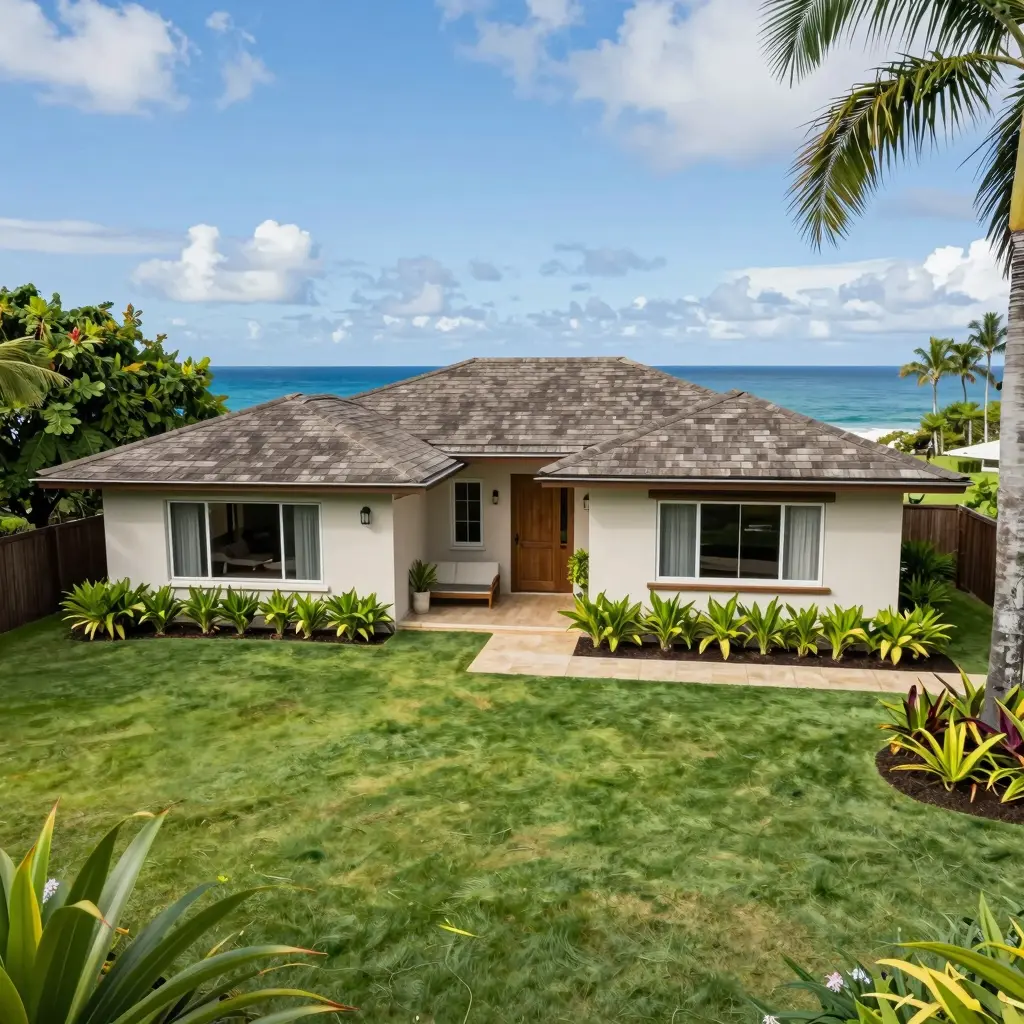
Customer Testimonials for Builders in Hawaii
When it comes to building your dream home in Hawaii, the satisfaction of past clients is one of the best indicators of a builder’s performance. Here’s what one happy homeowner had to say about their experience:
“We had a fantastic experience with our custom home builder in Hawaii. From the very first meeting, they understood our vision and worked tirelessly to make it a reality. The quality of craftsmanship was exceptional, and their customer service unmatched. Every question we had was answered promptly, making us feel like a priority throughout the entire process. We couldn’t be happier with our beautiful home, which perfectly captures the essence of island living!” – Sarah T., Oahu
This glowing testimonial emphasizes the importance of quality and customer service, traits that every homeowner should look for when selecting a builder. Builders in Hawaii, known for their dedication to client satisfaction, are also integrating innovative practices to enhance the customer experience. For example, a recent report highlighted that 89% of custom home buyers in Hawaii reported high satisfaction ratings, emphasizing personalized design and transparent communication as pivotal factors.
By choosing a reliable and skilled builder, you can ensure that your dream home in paradise becomes a reality with minimal stress and maximum satisfaction. Learn more about home remodeling services or explore expert home remodeling services to enhance the beauty and functionality of your home!
Cost Breakdown for Building a Custom Home in Hawaii
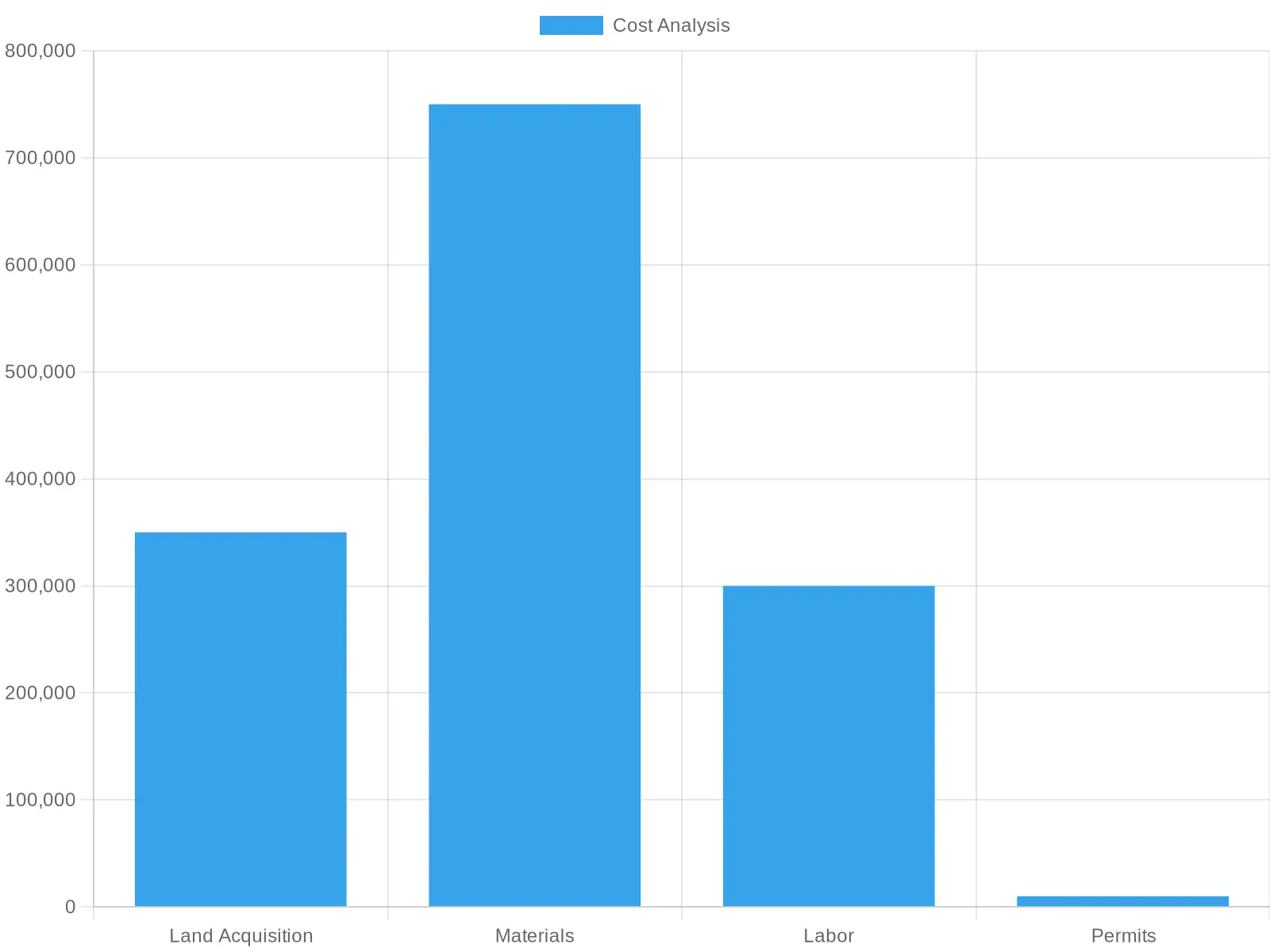
When considering the financial aspects of building a custom home in Hawaii, it’s crucial for business owners to understand the various costs involved. Below is a detailed breakdown:
| Category | Cost Calculation | Amount |
|---|---|---|
| Land Acquisition | Fixed cost | $350,000 |
| Materials | $300/sq ft × 2,500 sq ft | $750,000 |
| Labor | $120/sq ft × 2,500 sq ft | $300,000 |
| Permits | Fixed cost | $10,000 |
| Total Estimated Cost | $1,410,000 |
Visualization of Costs
Summary of Costs
- Land Acquisition: The initial cost for purchasing land is about $350,000.
- Materials: Custom home materials average $300 per square foot, leading to a total of $750,000 for a 2,500 sq ft home.
- Labor: Skilled labor costs run approximately $120 per square foot, totaling $300,000 for the completed project.
- Permits: Expect to incur around $10,000 in fees related to permits and inspections.
A comprehensive understanding of these costs is essential for ensuring that you stay within your budget while planning a custom home build in Hawaii. [Learn more about the essentials of remodeling services]
[Explore expert home remodeling services]
In conclusion, proper budgeting and cost analysis will play significant roles in the success of your construction project. With these figures and variables in mind, you can make informed decisions and plan effectively for your custom home venture in Hawaii.
Conclusion
In summary, selecting custom home builders in Hawaii provides a myriad of benefits tailored specifically to the unique landscape and climate of the islands. From personalized designs that harmonize with the natural surroundings to the use of superior materials designed to withstand tropical conditions, the advantages of custom home building are compelling. Custom builders can navigate complex permitting processes, create energy-efficient homes, and ensure that your vision comes to life, ultimately leading to a property that is not only beautiful but also highly functional and sustainable.
Moreover, working with experienced custom builders can significantly enhance the overall value of your investment. Properties built with quality craftsmanship and unique features often see higher resale prices, making them a smart choice for any discerning homeowner.
If you’re a business owner considering embarking on a custom building project, we invite you to reach out for further insights and consultations. At Rudensko Construction, our team is dedicated to helping you navigate the intricacies of building your dream home in Hawaii. Don’t hesitate to contact us today for expert advice tailored to your needs!