Introduction to New Home Construction in Prince Edward Island (PEI)
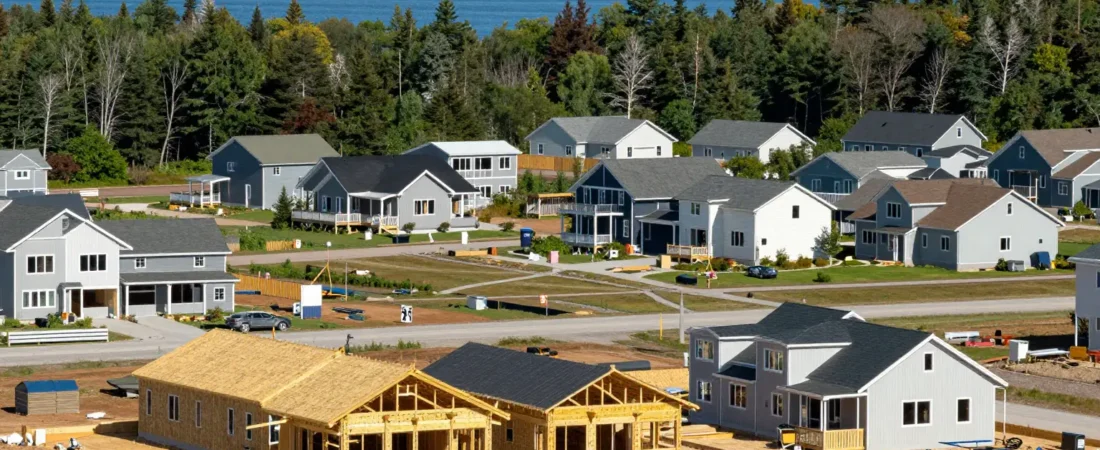
As economic conditions evolve and populations grow, the demand for new home construction in Prince Edward Island (PEI) has reached unprecedented levels. Currently, PEI is experiencing a remarkable 14.1% population growth over the past five years, leading the nation and intensifying the need for more housing options. With an apartment vacancy rate plummeting to a mere 1.1% in 2023, business owners, particularly those in the real estate and construction sectors, must adapt to this booming demand for housing.
Recent initiatives announced by both provincial and federal governments aim to expedite the construction of over 150 new homes in the coming decade, highlighting the urgency to meet this growing need. According to industry sources, PEI needs to construct over 2,000 housing units annually to keep pace with its population increase. However, current construction rates are falling significantly short of this target, creating a pressing opportunity for business owners to engage in robust construction projects that align with these market demands.
Understanding these dynamics is crucial for those looking to invest in new home construction in PEI, as the market is ripe for innovative building practices and sustainable designs. Explore how to transform your home with stunning remodeling services to elevate your business and position yourself advantageously in this competitive market.
Key Benefits of New Home Construction in PEI for Business Owners
Investing in new home construction in Prince Edward Island offers numerous advantages to business owners. Here are some key benefits:
- Job Creation: New home construction supports local employment by creating jobs in various sectors including construction, design, and planning.
- Increased Local Revenue: The development of new homes contributes to higher property taxes which can enhance local government revenues for infrastructure and services.
- Stimulating Local Businesses: New construction projects drive demand for materials and services from local suppliers, benefiting various sectors of the economy.
- Housing Market Growth: Increased housing supply can meet the needs of a growing population, which is essential for future economic stability in PEI.
- Long-term Economic Stability: Investments in residential construction contribute to the overall economic health and sustainability of communities.
For business owners looking to maximize their investment, partnering with experts in construction can also lead to superior quality and efficiency. To learn more, you can check our guide on transforming your space.
Engaging in the new home construction market positions business owners for success, creating a positive cycle of growth and development in the community.
Current Market Trends in New Home Construction in Prince Edward Island
In recent years, the new home construction market in Prince Edward Island (PEI) has been affected by various economic factors, demographic shifts, and changing consumer preferences. Here are some notable trends that business owners should consider:
1. Increased Demand for Housing
The construction sector in PEI has seen a notable uptick in the demand for new homes. This demand is driven by population growth, particularly as more individuals and families move to the province seeking a better quality of life and housing affordability. According to government data, the population of Prince Edward Island has continued to grow, leading to a corresponding increase in the need for residential housing.
2. Focus on Sustainability
Sustainable building practices are becoming increasingly important among new home buyers. Many are seeking homes that are energy-efficient and built with sustainable materials. Innovations such as solar panels, energy-efficient appliances, and sustainable landscaping are becoming appealing features, which may present an opportunity for builders and contractors who incorporate these elements into their projects.
3. Shifts Toward Multifamily Units
With a growing population and rising housing costs, there has been a noticeable trend toward multifamily units and smaller homes. Such developments can maximize space and provide more affordable housing options. Business owners could take advantage of this trend by investing in or focusing on the construction of these types of housing.
4. Technological Advancements
The construction industry is increasingly adopting technology, including Building Information Modeling (BIM), virtual reality, and project management software, which aids in streamlining the construction process. Business owners who embrace these technologies may achieve significant efficiencies and improved client satisfaction.
5. Regulatory Changes
Lastly, the regulatory framework surrounding home construction in PEI can significantly impact market trends. Staying updated on local building codes, zoning laws, and construction permits is crucial for business owners to navigate the environment effectively and capitalize on new opportunities.
For more insights on remodeling and renovating homes, consider exploring our guide on the essentials of remodeling services.
In conclusion, business owners in PEI should closely monitor these trends as they represent both challenges and opportunities in the evolving landscape of new home construction. Understanding these dynamics is essential for making informed decisions in this competitive market.
Table of Popular Construction Materials in PEI
| Material | Cost (per sq.ft) | Durability | Eco-Friendliness |
|---|---|---|---|
| Wood | $3 – $8 | Moderate to High | Sustainable if sourced responsibly |
| Concrete | $6 – $12 | High | High carbon footprint but durable over time |
| Steel | $7 – $15 | Very High | Recyclable, but production is energy-intensive |
| Insulation (Cellulose) | $1.50 – $3 | High | Made from recycled materials, lower impact |
| Insulation (Sheep Wool) | $2 – $4 | High | Very eco-friendly, natural, and sustainable option |
Understanding Local Construction Regulations for New Home Construction in PEI
As a business owner in the construction industry looking to undertake new home construction in Prince Edward Island (PEI), it’s essential to be well-versed in local regulations. Adhering to these guidelines ensures compliance, enhances client satisfaction, and ultimately protects your business. Below is a detailed overview of the primary regulations pertaining to new home construction in PEI.
1. Building Codes and Standards
PEI follows specific building codes designed to ensure the safety, health, and welfare of the public. These codes set the benchmarks for construction, including materials, design, and operational aspects of residential buildings. It is vital for builders to familiarize themselves with these codes, which may vary depending on the municipality.
2. Building Permits
Before initiating any construction work, obtaining a building permit from the local municipal office is mandatory. This process typically involves submitting detailed construction plans, which should include:
- Architectural Plans: Layouts showing dimensions, materials, and structural elements.
- Engineering Reports: Evidence of structural integrity and compliance with the building code.
- Land Use Applications: Depending on the location, an assessment of zoning compliance may be required.
It’s advisable to allow sufficient time for the permit application process as it can vary from one municipality to another.
3. Zoning Regulations
Understanding zoning laws is crucial in new home construction. These regulations dictate how land can be used-residential, commercial, etc.-and specify the types of structures that can be built. Business owners must check local zoning bylaws to ascertain whether their planned construction is permitted in the desired area.
4. Consultation with Local Authorities
Engagement with local authorities is paramount. Each municipality in PEI may have unique requirements and amendments that relate to construction projects. Direct consultation can provide clarity regarding:
- Local amendments to building codes
- Land use and development planning
- Environmental protections and restrictions
5. Homeowner’s Guide and Resources
The Government of PEI offers a homeowner’s guide that provides comprehensive information about building homes in the province. This guide includes:
- General building guidelines
- Safety and health regulations
- Contact information for relevant local departments and agencies
For specific inquiries and regulations, business owners should consider referring to or downloading the guide from the Government of Prince Edward Island’s official website.
6. Compliance and Inspections
Compliance with all relevant regulations is not just a checkbox but an ongoing responsibility throughout the construction process. Regular inspections may be required at different phases of the project to ensure adherence to the codes. It’s crucial to schedule these inspections and address any findings promptly.
Conclusion
Navigating the complexities of local regulations for new home construction in PEI can appear daunting. However, adequate preparation, thorough research, and engaging with local authorities will ease the process. By ensuring compliance with building codes, obtaining necessary permits, and understanding zoning laws, businesses can contribute to the safe and successful development of new homes in the province. For those looking to explore interior transformations as part of their projects, you can also learn more about remodeling services to complement new constructions.
By following these guidelines, business owners can enhance their reputation, build community trust, and ensure successful project completion.
Key Investment Considerations in the New Home Construction Market in PEI
Entering the new home construction market in Prince Edward Island (PEI) presents a unique opportunity for business owners. However, it is essential to approach this venture with a comprehensive understanding of several critical investment considerations:
1. Market Demand
Understanding the demand for new housing is pivotal. PEI has seen a consistent increase in population, driven by both immigration and local growth. This trend indicates a potential for sustainable housing demand. Business owners should analyze demographic data and housing needs to ensure projects align with market expectations.
2. Economic Indicators
It’s crucial to evaluate the local economy’s health. Key indicators include employment rates, average income levels, and economic growth projections. Higher employment and disposable income generally lead to increased housing purchases. By focusing on these economic indicators, investors can gauge the potential for profit and long-term sustainability in the housing market.
3. Regulatory Environment
Each province has its own regulations governing construction. In PEI, business owners must familiarize themselves with local building codes, zoning laws, and any incentives provided by the government for new developments. Understanding the regulatory landscape can help avoid costly setbacks or delays in construction processes. For more on navigating these regulations, learn more about our remodeling services.
4. Construction Costs
Costs associated with labor, materials, and land can significantly impact profit margins. Investors should conduct a thorough cost analysis to estimate budget needs accurately. Engaging with local suppliers and contractors can provide insights into current pricing trends and help establish reliable working relationships that can lead to cost savings.
5. Competition Analysis
Understanding the competitive landscape is vital. Analyzing existing home construction businesses in PEI, their offerings, and market positioning can provide useful insights. Identifying gaps in the market may uncover unique opportunities for differentiation and innovation. Business owners should continuously monitor competitor actions to adjust strategies accordingly.
Conclusion
Investing in the new home construction market in PEI requires careful consideration of the above factors. By conducting thorough market research and being strategic in planning, business owners can position themselves for success in this growing industry. The construction landscape is evolving, and being well-informed is key to taking advantage of upcoming opportunities. For related insights, check out our expertise in home remodeling services.
Construction Costs Over Time in Prince Edward Island
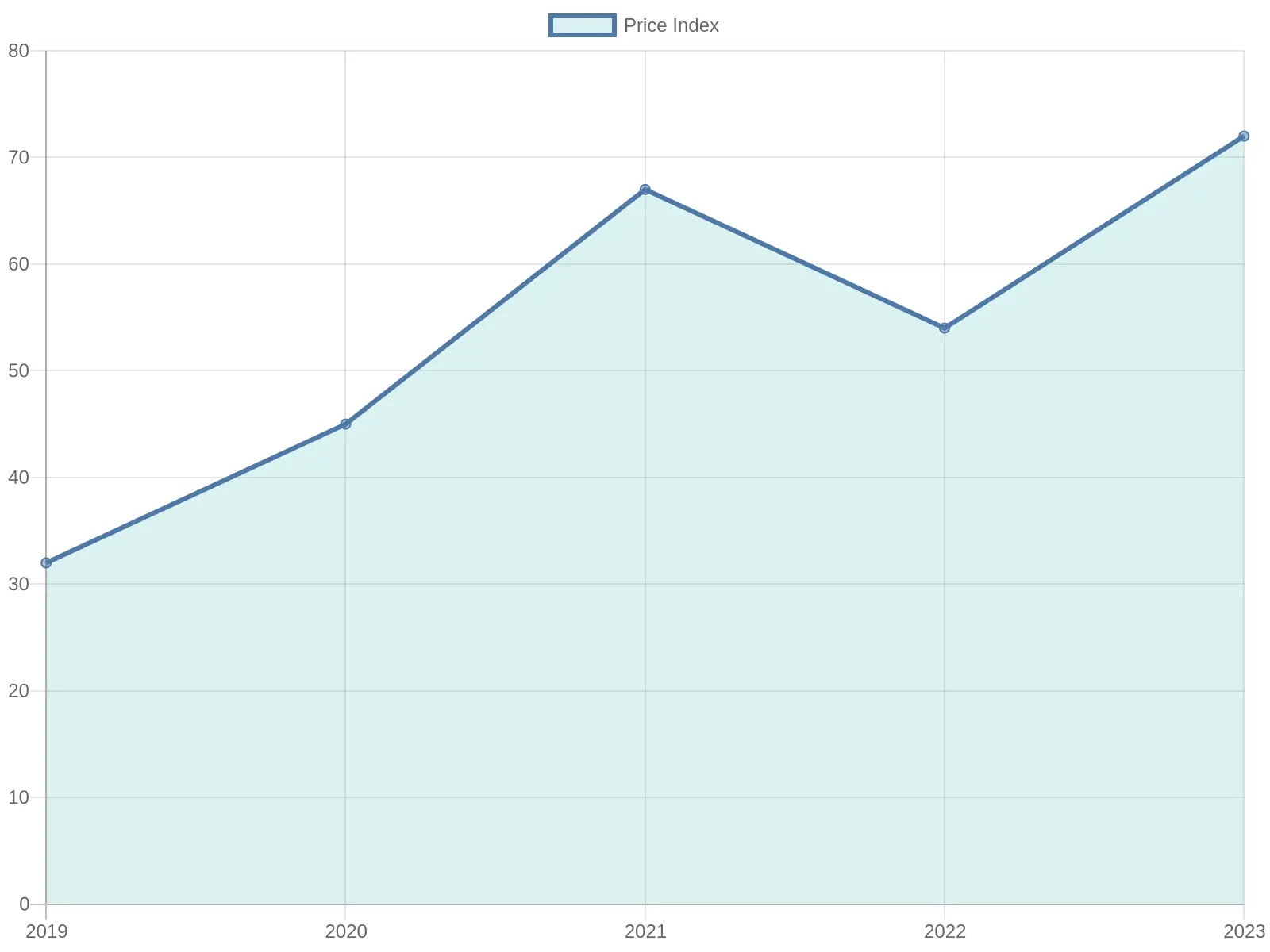
In understanding the landscape of new home construction in Prince Edward Island (PEI), it’s crucial for business owners and stakeholders to grasp the fluctuations in construction costs over recent years. The following chart illustrates the New Housing Price Index in PEI from 2019 to 2023, showing how construction costs have evolved.
Price Index Overview
| Year | Price Index |
|---|---|
| 2019 | 32 |
| 2020 | 45 |
| 2021 | 67 |
| 2022 | 54 |
| 2023 | 72 |
This chart shows a general trend of increasing construction costs, with a peak in 2021 followed by a slight decrease in 2022. Understanding these trends is vital for making informed decisions in the construction business.
For more insights on remodeling services that can complement new constructions, check out our guide on remodeling services to enhance project outcomes.
New Home Construction Trends in PEI
New home construction in Prince Edward Island is influenced by several key trends. As the demand for housing continues to grow, especially in light of the recent population influx, builders are focusing on sustainable practices and innovative designs.
“As we move forward, energy efficiency and eco-friendly materials are not just trends; they are becoming essential standards in home construction,” states Linda George, a local construction consultant.
Moreover, the shift towards customizing homes to suit individual needs is on the rise.
“Clients are increasingly looking for homes that reflect their personal tastes while providing functionality,” notes Mark Jennings, an architect specializing in residential designs.
These trends indicate a significant evolution in how homes are built in PEI, aligning with the broader shifts we see across Canada.
For additional insights into transforming your construction approach, check out our ultimate guide to home remodeling services.
Conclusion
In conclusion, new home construction in Prince Edward Island (PEI) presents a wealth of opportunities for business owners looking to invest in a thriving market. The continuous rise in housing demand post-pandemic, driven by lifestyle changes and the appeal of the province, showcases the potential for significant returns on investment. The construction sector not only contributes to the growth of the local economy but also fosters job creation across multiple industries, further enhancing the business environment.
Moreover, the shift towards sustainable practices in construction presents a unique selling point for businesses looking to align with eco-conscious consumers. Government incentives aimed at promoting home construction can provide additional support and financial relief, further encouraging investment in this sector.
As market dynamics evolve, staying informed about trends such as the demand for larger homes with outdoor spaces and sustainability can assist business owners in making strategic decisions. Embracing new home construction not only positions businesses favorably in an expanding market but also contributes to the overall improvement of PEI’s economic landscape. For more insights on remodeling and construction trends, learn more about eco-friendly renovations and the benefits of expert remodeling services that can complement new constructions.