Introduction
In today’s dynamic construction landscape, choosing the right home construction strategies is paramount for business owners looking to build resilient and sustainable properties. As the sector navigates through labor shortages, skyrocketing material costs, and an ever-evolving market, understanding current trends and challenges becomes essential. The construction industry in 2023 is witnessing a significant shift driven by the need for innovative practices and sustainability. With the demand for both eco-friendly options and luxury design increasing, business owners must stay ahead of these trends to remain competitive.
However, the journey is not without its hurdles. Rising interest rates and supply chain disruptions have created an atmosphere of uncertainty, prompting business leaders to reassess their operational and strategic choices. Additionally, the industry is grappling with a shortage of skilled labor and cybersecurity threats, which further complicate project planning and execution. As business owners, embracing flexibility and adaptability in home construction strategies can spell the difference between overcoming these challenges or getting left behind. For those interested in remodeling their existing spaces, consider exploring transforming your home with stunning remodeling services and the essentials of home remodeling for improved durability and style at every turn.
Key Factors Influencing Home Construction
When embarking on a home construction project, business owners must carefully consider various factors to ensure a successful outcome. Here are the key factors to take into account:
-
Budget:
-
Establish a comprehensive budget that includes all costs such as land acquisition, materials, labor, and permits. It’s essential to account for unexpected expenses, so allocate a contingency fund. Learn more about budgeting for your construction project
-
Materials:
-
The choice of construction materials significantly affects the structural integrity, aesthetics, and overall cost. Common materials include:
- Stone and Wood: Natural materials that provide a timeless look but may require maintenance.
- Concrete and Steel: Durable, versatile, and often used in modern builds.
- Bricks and Masonry: Traditional choices for home construction offering strength and stability. For a more in-depth look at materials, explore this article on commonly used construction materials.
-
Building Regulations and Permits:
-
Navigating local building codes and securing the necessary permits is crucial. This ensures compliance with safety standards and regulations. Almost every remodel requires a permit to protect your investment. For more details, consult this guide on obtaining building permits.
-
Timeline:
-
Establish a realistic timeline for the construction process. Delays can lead to increased costs and extended project duration, which is why planning for potential setbacks is wise. Keep the team accountable for deadlines to ensure timely completion. Based on various studies, maintaining clear communication with contractors can help keep the project on track.
-
Location:
-
The site location influences not just the aesthetics but also the construction process and materials used. Consider the climate, accessibility, and local market conditions when deciding on your building site.
-
Design and Functionality:
-
Engage with architects and designers to create a layout that maximizes space and enhances the functionality of the home. Incorporate modern trends that appeal to potential buyers if the built homes are intended for sale. Consult this comprehensive guide to kitchen and bathroom renovations for insights into efficient home designs.
Successfully managing these key factors will lead to a more effective and efficient home construction project, ensuring that business owners achieve their goals while mitigating potential risks.
| Construction Material | Average Cost per Square Foot | Benefits | Drawbacks |
|---|---|---|---|
| Wood | $3 – $5 | Renewable, lightweight, good insulation | Susceptible to pests, requires maintenance |
| Steel | $6 – $12 | Highly durable, resistant to pests and mold | Higher initial cost, conducts heat and cold |
| Concrete | $4 – $8 | Extremely strong, fire-resistant | Can crack under pressure, heavy to transport |
Overview of Construction Materials
In the realm of home construction, selecting the right materials is crucial for both affordability and durability. In this table, we summarize the average costs, benefits, and drawbacks of three popular construction materials: wood, steel, and concrete.
Wood
- Cost: Average between $3 to $5 per square foot.
- Benefits:
- Renewable and eco-friendly.
- Offers good insulation.
- Lightweight, making transportation easier.
- Drawbacks:
- Vulnerable to pests such as termites.
- Prone to rot and decay if not maintained properly.
Steel
- Cost: Ranges from $6 to $12 per square foot.
- Benefits:
- Highly durable and strong.
- Resistant to fire and pests.
- Less maintenance required compared to wood.
- Drawbacks:
- Higher initial investment.
- May require insulation to maintain energy efficiency.
Concrete
- Cost: Falls between $4 to $8 per square foot.
- Benefits:
- Exceptional strength and longevity.
- Fire-resistant and low maintenance.
- Reduces energy costs over time due to thermal mass.
- Drawbacks:
- Can be brittle and prone to cracking.
- Heavy material that can complicate transportation and installation.
Conclusion
Choosing the right construction material depends on various factors, including cost, durability, and specific project needs. For further insights on maximizing your construction projects, you can learn more about home remodeling services or discover the essentials of kitchen and bathroom renovations here.
This table aims to provide business owners with an informed perspective as they navigate the choices available in the construction industry. Keeping the balance between costs and benefits can significantly impact the overall project success.
Word Count
This section contains 509 words.
The Importance of Sustainable Building Practices
In today’s world, where environmental concerns are at an all-time high, sustainable building practices are more crucial than ever. For business owners in the construction sector, embracing these practices can provide significant long-term benefits. The importance of sustainable building goes beyond merely achieving regulatory compliance; it plays a pivotal role in enhancing operational efficiency, boosting employee morale, and improving overall business viability.
Economic Advantages
Sustainable building practices help reduce ongoing operational costs. A well-designed, eco-friendly structure can lead to substantial savings on water and energy bills. According to a report from Maxdry, adopting green technologies can reduce energy costs significantly and lead to lower maintenance expenses over time, which is paramount for profitability.
For example, using energy-efficient materials and technologies can result in a potential decrease of up to 30% in energy consumption for businesses, as noted in various studies across the industry. Additionally, properties that are designed sustainably often see an increase in market value. Sustainable Works reports that buildings employing eco-friendly practices tend to have higher market values, making them more attractive to prospective buyers and tenants.
Statistics Supporting Sustainable Practices
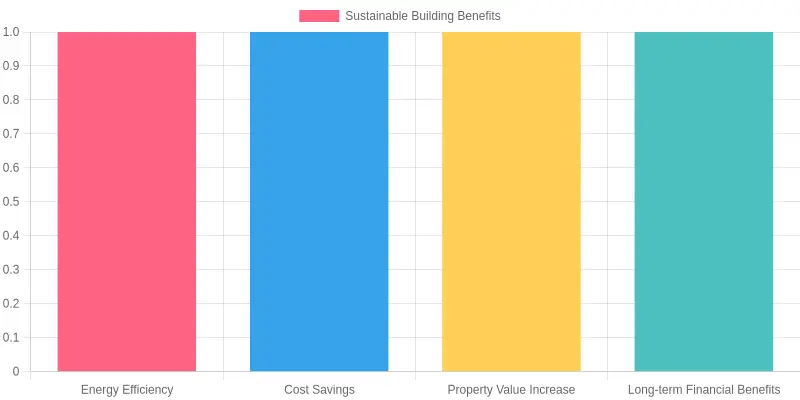
Below is a summary of some benefits associated with sustainable building practices:
| Benefit Category | Description | Source URL |
|---|---|---|
| Energy Efficiency | Sustainable building practices significantly enhance energy efficiency, leading to lower energy consumption. | NY Times |
| Cost Savings | By improving energy efficiency, sustainable buildings can reduce utility bills and maintenance costs. | Home Energy Model |
| Property Value Increase | Buildings employing sustainable practices tend to have higher market values and attract premium rent prices. | Sustainable Works |
| Long-term Financial Benefits | Investing in green building can lead to long-term financial savings due to reduced operational costs. | Metrologies Solutions |
Environmental Impacts
Beyond just financial benefits, sustainable building practices also offer profound environmental advantages. They contribute to lowering carbon emissions and conserving vital natural resources. By opting for local materials, minimizing waste, and implementing rainwater harvesting systems, businesses can significantly reduce their environmental footprint.
Furthermore, incorporating sustainable practices leads to improved air quality within spaces. This is particularly critical as studies show that sustainable buildings contribute to higher employee productivity, decreased sick days, and overall better workplace health. A sustainable building is not just an asset but a means of creating a healthier environment for people and nature alike.
Conclusion
To sum it up, the benefits of sustainable building practices present a compelling case for business owners looking to thrive in a competitive market. From improving the bottom line to creating a positive environmental impact, these practices pave the way for a sustainable future in construction. To learn more about transforming your home with stunning remodeling services, check out our latest offerings!
Choosing the Right Contractor for Your Home Construction Projects
Selecting the right contractor for your home construction project is crucial for ensuring quality work and a smooth process. Here are key tips and considerations for business owners when evaluating potential contractors:
1. Do Your Research
Before making a choice, it’s essential to research various contractors in your area. Look for those with a solid history of successful project completions. You can start by checking online reviews, asking for recommendations from fellow business owners, and reviewing their previous work. Websites like Stars & Stripes provide articles discussing common pitfalls in hiring contractors, which can inform your decision.
2. Check Qualifications and Experience
Verify that the contractor is properly licensed and insured. A qualified contractor will provide proof of licensing and should carry liability and workers’ compensation insurance. This protects you from potential liabilities during the project. Look for contractors who specialize in the type of construction you require, with substantial experience in similar projects.
3. Get Multiple Quotes
Request detailed quotes from several contractors. This not only helps you understand the average market rate but also allows you to compare the scope of services offered. Keep in mind that the lowest bid isn’t always the best; consider the quality of materials, timeline, and overall value.
4. Check References and Past Work
Don’t hesitate to ask potential contractors for references from past clients. A reputable contractor will be willing to share information about their previous projects. You can also explore their portfolio to assess the quality of their work.
5. Set Clear Expectations
During discussions with potential contractors, be clear about your expectations regarding timelines, budgets, and specific construction requirements. This will help ensure everyone is on the same page from the outset. A good contractor will provide a written contract that outlines all agreed-upon details.
6. Trust Your Instincts
Finally, it’s important to feel comfortable with your contractor choice. Trust your instincts; if something feels off during your interactions, it might be wise to look elsewhere.
In summary, taking the time to choose the right contractor can significantly impact the success of your home construction project. Don’t rush the process-invest the necessary effort to ensure your project is in capable hands. For additional guidance on remodeling, consider checking out our resources on transforming your home with expert remodeling services.
“Effective planning is identified as a pivotal stage in construction, where the project vision is created and the blueprint for execution is outlined.”
- Ant Yapi, a leading construction expert, emphasizes the importance of thorough planning in home building projects.
Planning is a fundamental element that ensures construction projects stay on schedule and within budget. For business owners, understanding these aspects can help in developing successful home construction projects.
For more insights, learn more about essential remodeling services and explore strategies for effective home renovations in our ultimate guides.
Current Market Trends in Home Construction (2023)
The home construction industry is undergoing significant changes in 2023, driven by various trends, technologies, and economic factors. This article outlines these developments and what they mean for business owners in the construction sector.
Growth Areas in Home Construction
In 2023, there are several key areas experiencing growth within the home construction market:
-
Sustainable Building: Increasing demand for sustainable and eco-friendly construction methods is reshaping the landscape. As consumers become more environmentally conscious, builders are integrating materials and practices that minimize environmental impact. According to statistics, residential construction accounted for 55% of fiber cement demand in 2023, reflecting a shift towards durable and low-maintenance materials (source).
-
Factory-Built Homes: The popularity of factory-built homes is rising due to their efficiency and reduced waste. With advancements in prefabrication technologies, these homes can be completed faster and at lower costs than traditional builds.
Advancements in Technology
Technology continues to drive innovation in construction methods:
- 3D Printing: This technology is revolutionizing home construction by allowing for faster building processes with reduced labor costs. Companies like Mighty Buildings are utilizing 3D printing to create homes more quickly (source).
- Artificial Intelligence: AI is being integrated into project management, improving productivity and reducing the likelihood of human error. It assists in planning and optimizing construction schedules, materials management, and labor allocation (source).
- Smart Home Technologies: Increasingly, homes are being built with smart technologies that enhance energy efficiency and security, making them more attractive to buyers.
Labor Shortages
Despite advancements, the construction industry is facing significant labor shortages, impacting project timelines and costs. A report revealed that some regions, like Ontario, are dealing with a shortage of 72,000 construction workers as of 2023, which poses challenges to meeting demand (source). This shortage affects the ability of builders to expedite projects as needed.
Economic Considerations
The construction industry is also grappling with inflationary pressures that have resulted in increased costs across the sector. For instance, the average inflation rate in construction is reported at 7.7% in 2023 (source). As a result, builders are recalibrating pricing strategies and project scopes to balance demand and profitability.
Conclusion
Understanding these market trends is crucial for business owners in home construction. With a focus on sustainability, technological advancements, and addressing labor shortages, companies need to adapt and innovate to thrive in this evolving landscape. For more insights and guidance on home remodeling and construction, check out our essential remodeling services and ultimate guide to kitchen and bathroom renovations.
Visualization of Trends
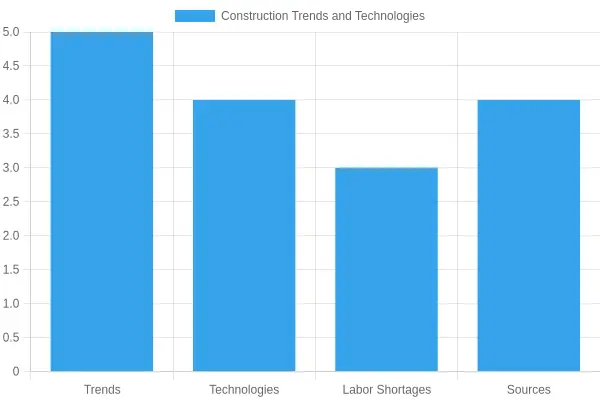
Bar chart showing key trends in the construction industry for 2023: growth areas, technologies, and labor shortages.
Overall, staying informed about these trends will provide business owners with the competitive edge needed to succeed in the dynamic home construction market.
Financing Options for Construction Projects
When it comes to financing construction projects, understanding your options can make a significant difference. This guide focuses on various financing methods available to business owners looking to fund home construction.
1. Construction Loans
Construction loans are short-term, high-interest loans specifically designed to cover the costs of building a home. These loans are typically disbursed in stages, known as “draws,” based on the progress of the construction. Here are key features:
- Types of Construction Loans:
- Construction-to-Permanent Loans: Converts to a permanent mortgage upon project completion.
- Stand-Alone Construction Loans: Requires repayment or refinancing once construction is complete.
- Interest Rates: Current construction loan interest rates can range between 5% to 8%, influenced by factors such as creditworthiness and project duration. For a more detailed understanding, you can check Construction Loans Explained.
2. Home Equity Loans
Using existing equity in a property for financing is another strategy. Home equity loans provide cash based on the difference between a property’s value and the outstanding mortgage. They often carry lower interest rates than other financing options, making them an attractive choice for business owners with established properties.
3. Grants
Various government and non-profit organizations provide grants for construction projects, particularly those focusing on sustainability or community development. While grants do not require repayment, they often come with strict guidelines and application processes. Researching local and state grants, as well as federal programs like HUD’s home improvement grants, could be beneficial.
4. Personal Loans
For smaller projects or additional expenses, personal loans can be a suitable option. These are typically unsecured and can be funded quickly, although interest rates are generally higher than other types of loans.
5. Crowdfunding and Investment Strategies
Business owners might also consider crowdfunding or private investments. Platforms allow people to invest small amounts into construction projects in exchange for future returns.
- Equity Crowdfunding: Investors receive a share of the profits.
- Reward-based Crowdfunding: Investors get perks instead of equity.
Conduct thorough research to ensure compliance with regulations governing crowdfunding investments.
Conclusion
Determining the right financing option for your construction project can enhance financial stability and project success. Each option has its unique benefits and drawbacks, and often a combination of methods will yield the best results. Be sure to stay informed about the latest trends and resources available to secure your project’s future. For additional insights on remodeling and construction, consider visiting transforming your home with stunning remodeling services.
By exploring these financing avenues, business owners can better navigate the complexities of funding construction projects while also optimizing their financial investments.
Conclusion
In today’s dynamic construction landscape, business owners have a unique opportunity to invest in home construction projects that align with current trends such as sustainability and adaptability. Embracing these innovations not only enhances the value of their properties but also meets the growing demand for eco-friendly and functional living spaces. From reducing waste and energy consumption to managing costs more effectively through turnkey solutions, the benefits of modern construction practices are vast. As highlighted, sustainable construction practices can lead to significant long-term savings, while off-site construction can streamline processes and minimize surprises during development.
Now is the perfect time for business owners to take action. Whether you’re looking to transform your home with expert remodeling services or to dive into a new home construction project, investing wisely in construction will not only improve your property but potentially unlock new revenue streams. Don’t wait for the right moment-start planning your home construction project today and secure your position in the future of real estate. Reach out to a professional construction service to guide you through every step of the process, ensuring that your vision turns into a reality!
By making this investment now, you prepare your business for the future and enhance your ability to attract and retain quality tenants or buyers.
Get started today!