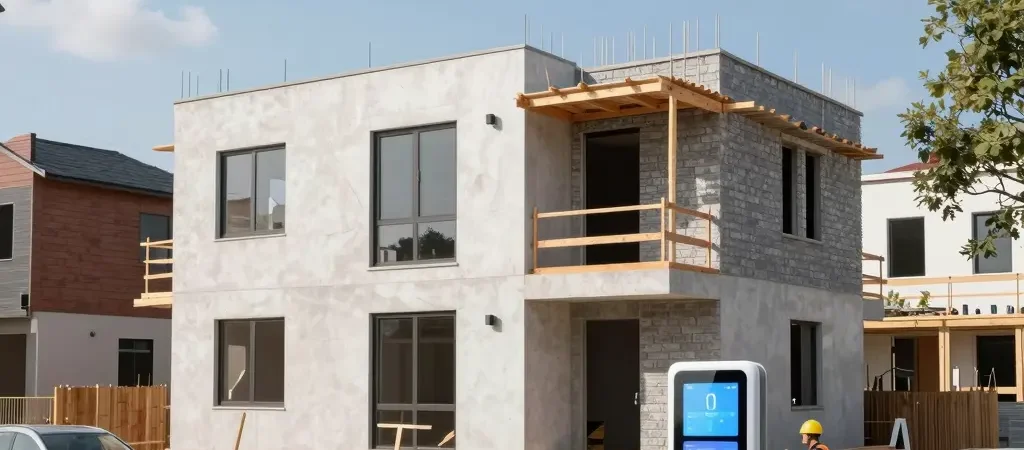
Introduction to Residential Construction
Residential construction plays a pivotal role in the economy and serves as a cornerstone for business owners in the industry. As individuals increasingly prioritize homeownership and personalized living spaces, the demand for skilled craftsmanship and innovative remodeling solutions has surged. Business owners must stay ahead of the curve by embracing the latest trends, such as sustainable building practices and smart home technologies. The evolving preferences of homeowners present exciting opportunities to enhance service offerings and drive growth.
Moreover, careful planning is crucial in this dynamic field. Effective project management and clear communication can make the difference between success and setback. Business owners must navigate potential challenges, including supply chain disruptions, fluctuating material costs, and regulatory compliance. These hurdles require not only foresight but also adaptability and strategic partnerships.
By understanding the landscape and preparing for the future, business owners can capitalize on the growing interest in renovation and construction. Whether delving into remodeling projects or focusing on new home construction, these professionals will benefit greatly from equipping themselves with the right knowledge and tools to meet the demands of today’s homeowners. For those considering how to enhance their services, this essential guide to remodeling services can provide valuable insights.
Current Trends in Residential Construction
The residential construction industry is undergoing significant transformations in response to evolving consumer preferences, technological advancements, and economic considerations. Below are some of the key trends shaping this sector in 2023.
Sustainable Building Practices
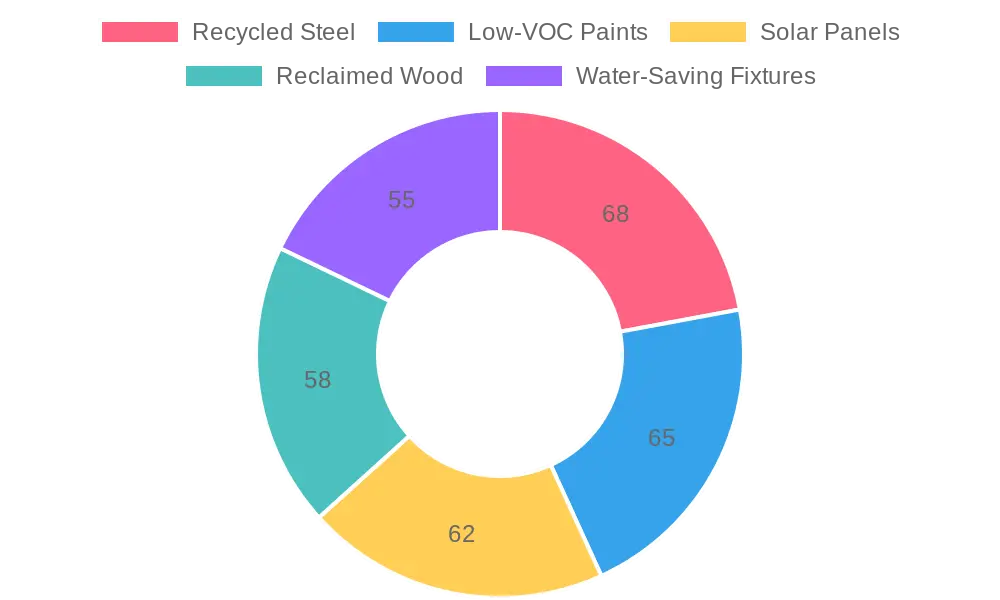
Sustainability is at the forefront of residential construction trends. As consumers become more environmentally conscious, builders are adopting sustainable materials and energy-efficient technologies. Recent statistics indicate:
- 68% of residential builders report using recycled steel.
- 65% utilize low-VOC paints.
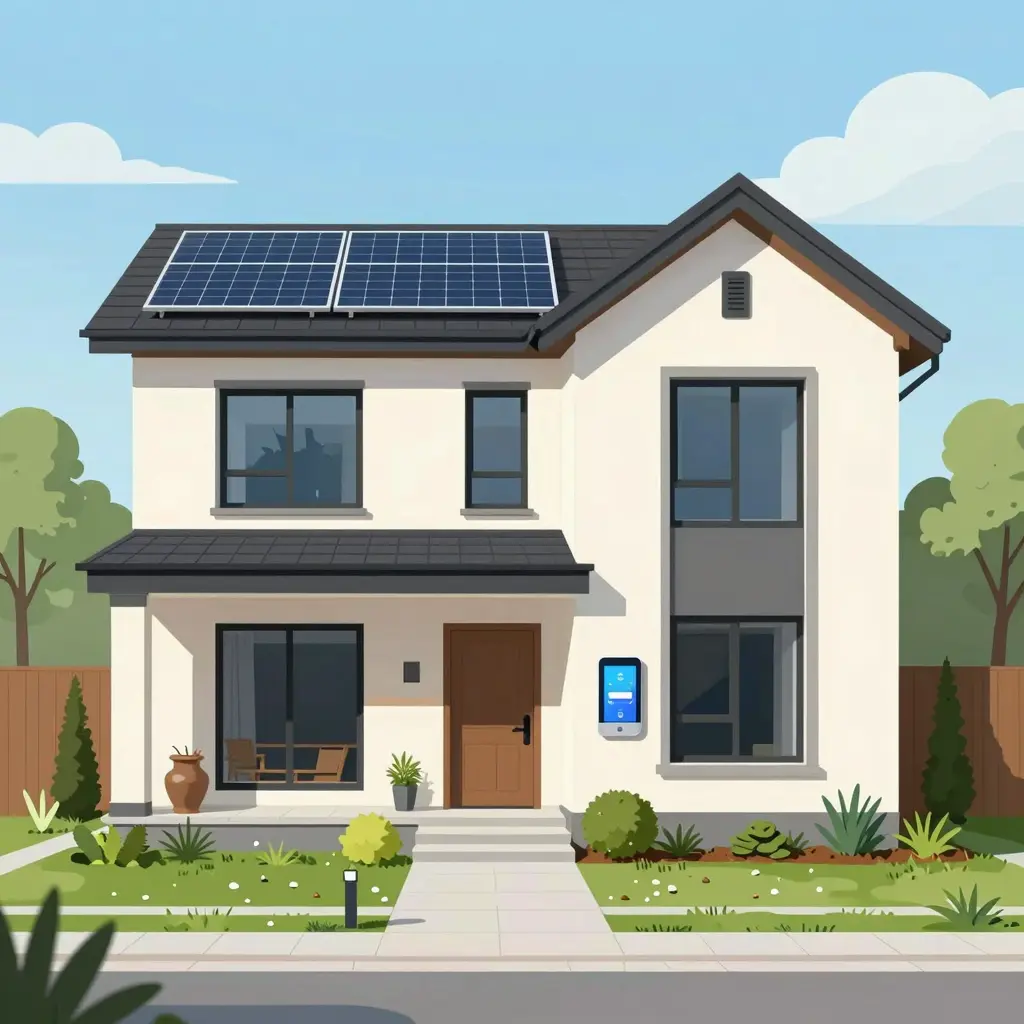
- 62% incorporate solar panels into new builds.
- 58% use reclaimed wood.
- 55% install water-saving fixtures.
This trend is driven by the increasing demand for green homes, which not only contribute to environmental conservation but also offer long-term cost savings for homeowners. According to the World Green Building Council, over 30% of new residential buildings globally were constructed to green building standards in 2023, significantly reducing energy consumption by an average of 25-30% compared to conventional constructions.
Smart Home Technology
The integration of smart home technology is another noteworthy trend reshaping residential construction. As consumers prioritize convenience and energy efficiency, features such as automated lighting, climate control, and advanced security systems are becoming standard in new homes. A report from HomeTech Insights indicates that developers increasingly integrate these technologies during the early stages of construction. Smart systems not only enhance the comfort and safety of living spaces but also contribute to improved energy management, further aligning with sustainable practices.
Economic Factors
Economic factors play a crucial role in residential construction trends. The housing market in 2023 has seen fluctuations in housing prices, interest rates, and material costs, which influence construction decisions. As the costs of materials rise, builders are adapting by considering more cost-effective, sustainable alternatives without compromising quality. Additionally, rising interest rates have made affordability a top concern for potential homeowners, prompting builders to focus on creating affordable housing solutions. This is evident in the increasing popularity of modular construction methods that reduce costs and construction times, making homes more accessible to buyers.
Conclusion
In conclusion, the residential construction sector is evolving through sustainable building practices, the integration of smart home technology, and economic shifts. For business owners in this field, embracing these trends not only aligns with market demands but also positions them as forward-thinking leaders in the industry. Fostering such practices can significantly impact project success and customer satisfaction. Stay updated on these trends to ensure your projects remain competitive and attractive to potential clients.
For further insights into remodeling and transformation options in residential spaces, check out our guide on home remodeling services and the ultimate guide to renovation.
Benefits of Residential Construction for Business Owners
Engaging in residential construction offers numerous advantages for business owners. Below, we outline the key benefits relating to profitability, market demand, and portfolio diversification, making it a lucrative option in today’s evolving market.
1. Increased Profitability
Residential construction remains one of the most profitable sectors in the construction industry. With housing demand on the rise, business owners can expect higher occupancy rates and competitive pricing, leading to substantial returns on investment. According to a report from the National Association of Home Builders (NAHB), the persistent housing shortages are supporting strong profit margins, making residential projects a financially rewarding endeavor. Investing in energy-efficient designs and innovative building methods further enhances profit potential. For instance, energy-efficient homes typically command higher prices and attract environmentally conscious buyers.
2. Strong Market Demand
The demand for residential properties is driven by several factors, including population growth, economic recovery, and low inventory levels. A recent report highlighted that the residential construction market is experiencing sustained demand due to low housing supply, offering business owners a stable revenue stream. This sustained demand allows for better cash flow predictability, enabling businesses to plan effectively for future projects.
3. Portfolio Diversification
Engaging in residential construction provides a vital opportunity for portfolio diversification. By expanding into this sector, business owners can reduce reliance on the more volatile commercial or public sectors. Diversification helps to stabilize cash flows, especially during economic downturns when commercial projects may face delays. Research suggests that incorporating residential projects can enhance a business’s resilience against fluctuations, thus aiding in long-term sustainability and growth.
In Conclusion
For business owners, entering the residential construction market offers a strategic advantage that aligns with profitability, meets market demand, and provides diversification benefits. Understanding these nuances can position construction companies for success in a competitive landscape. To explore more about enhancing your residential projects, check out our guide on remodeling services.
| Material | Cost (per ton) | Durability | Environmental Impact |
|---|---|---|---|
| Wood | $300 – $600 | Moderate to High (20-30 years, varies) | Low embodied carbon, renewable, sustainable sourcing |
| Steel | $4200 – $4256 | High (50+ years) | Significant emissions from production |
| Concrete | $340 – $400 | High (50+ years) | High embodied carbon, potential for CO2 sequestration |
Summary
- Wood: A sustainable option but may not be as durable as steel or concrete; however, it has a lower environmental impact.
- Steel: Very durable and strong but comes with higher costs and a significant environmental footprint due to its production processes.
- Concrete: Great durability, widely used; however, it poses high environmental impacts unless measures for CO2 reductions are in place.
For business owners in residential construction, understanding the strengths and weaknesses of these materials is vital to decision-making. For more on sustainable remodeling practices, you can learn more about topic.
The Importance of Effective Project Management in Residential Construction
Effective project management is a critical factor influencing the success of residential construction projects. It encompasses the planning, execution, monitoring, and finalization of a project while maintaining key objectives, such as scheduling, budgeting, and stakeholder communication.
1. Setting the Stage for Success
Residential construction involves numerous moving parts-contractors, suppliers, laborers, and, most importantly, the homeowners. A well-structured project management strategy is essential to coordinate these elements effectively. According to a 2024 report by Construction Dive, dedicated project management reduces budget overruns by an average of 18% and improves on-time completion rates by 22% for construction projects.
2. Budgeting
One of the primary roles of project management in residential construction is to ensure that the project remains within budget. This involves:
- Accurate Cost Estimation: Project managers work with architects and contractors to create realistic budget estimates at the outset, accounting for materials, labor, and unforeseen costs.
- Continuous Monitoring: By regularly reviewing expenditures against the projected budget, project managers can identify discrepancies early, allowing for timely adjustments before issues escalate.
In contrast, projects lacking strong financial oversight often experience significant budget overruns. As noted by the PMI’s 2023 Pulse of the Profession report, organizations with mature project management practices complete 80% of projects on time and within budget, highlighting the efficiency of structured oversight.
3. Scheduling
Proper scheduling is vital for timely project delivery. Project managers establish a timeline that outlines all key phases of a construction project while facilitating:
- Resource Allocation: Ensuring the right resources are available at the right time prevents delays.
- Risk Management: Identifying possible scheduling conflicts or delays at the outset allows project managers to devise contingency plans.
A breakdown in scheduling can lead to significant delays and financial penalties, which further emphasizes the need for structured project management.
4. Stakeholder Communication
Clear communication among all stakeholders is vital. Ensuring everyone is on the same page helps avoid misunderstandings that can derail a project.
- Regular Updates: Project managers keep stakeholders informed of progress, changes, or challenges, fostering transparency and trust.
- Collaboration Tools: Leveraging digital tools for real-time updates allows for immediate feedback and alignment of goals, thus enhancing collaboration.
The Engineering News-Record emphasizes that communication breakdowns are a primary cause of budget overruns and delays. Case studies indicate that establishing consistent communication protocols-like daily stand-up meetings and shared project dashboards-can reduce change requests by 30% and claim-related delays by 25%.
Conclusion
In summary, effective project management is not optional but rather a significant determinant of success in residential construction projects. By rigorously managing budgets, adhering to schedules, and maintaining active lines of communication among stakeholders, construction managers can mitigate risks, enhance productivity, and drive successful project outcomes. For homeowners seeking to remodel or build their dream home, understanding the essential role of project management in construction can pave the way for a smoother and more successful endeavor.
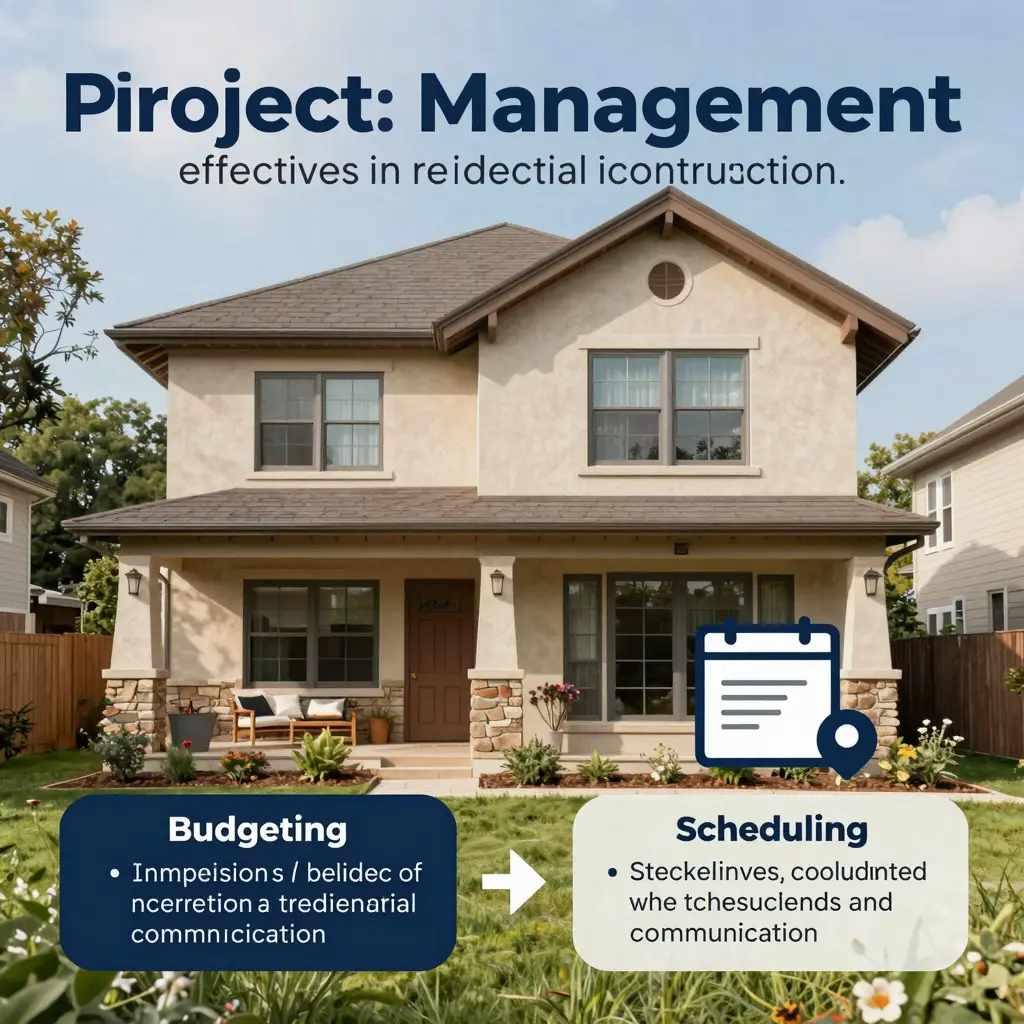
Click on the image for a detailed infographic on project management in construction.
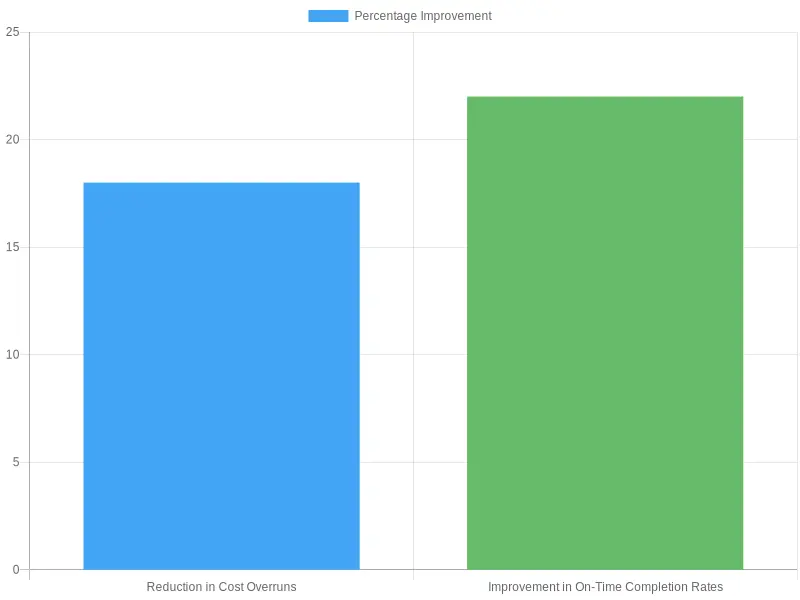
This chart illustrates the percentage improvements in cost overruns and on-time completion rates attributed to effective project management.
Overview of the Residential Construction Industry in 2023
The residential construction industry has experienced significant fluctuation and dynamic trends in recent years. As of 2023, this sector remains a crucial component of the U.S. economy, contributing substantially to GDP and employment, despite facing several challenges.
Market Size and Economic Contribution
- Total Construction Market Size: The U.S. construction sector reached nearly $2 trillion in market size in 2023, reflecting its importance within the overall economy.
- Residential Construction Employment: Employment in the residential construction segment remains vital; however, it constitutes only 8% of the total employment in the U.S. as of late 2021.
- Economic Contribution: The residential real estate and construction sectors contribute approximately $3 trillion to the U.S. GDP, which is about 12% of the overall economic output.
Housing Starts Statistics
Recent developments in the housing market show distinct trends:
| Year | Single-Family Starts (in thousands) | Multi-Family Starts (in thousands) | Total Starts (in thousands) |
|---|---|---|---|
| 2019 | 876 | 452 | 1,328 |
| 2020 | 778 | 464 | 1,242 |
| 2021 | 918 | 525 | 1,443 |
| 2022 | 821 | 547 | 1,368 |
| 2023 | 876 | 556 | 1,432 |
The above data indicate a steady increase in multi-family homes, reaching their highest level in nearly 40 years and reflecting a growing demand for housing solutions in urban areas.
Trends and Challenges
- Single-Family Housing: After a substantial dip in 2020 due to the pandemic, single-family housing starts saw a recovery but still hover around pre-pandemic levels.
- Labor Shortages: A major challenge faced by the residential construction sector is labor shortages. As noted by the American Builders Association, there is a continuing need to recruit skilled workers to meet the rising demand without compromising construction quality.
- Financial Factors: High-interest rates and inflated material costs also pose difficulties, contributing to an overall slowdown in single-family home construction.
Employment and Future Projections
The construction sector is projected to face labor challenges, with estimations indicating that every $1 billion in construction spending creates approximately 3,450 jobs. This suggests that addressing labor shortages is imperative for sustaining growth in residential construction as demand continues to rise ahead of local housing needs.
Conclusion
The residential construction industry in 2023 presents a mixed landscape: while market size and multi-family construction are on the rise, challenges like labor shortages and rising costs present significant barriers. For business owners, staying updated on these trends and preparing for shifts in demand will be crucial for navigating this evolving market.
For insights on remodeling services, check out Transform Your Home: The Essentials of Remodeling Services. Explore our comprehensive guide on Kitchen and Bathroom Renovations.
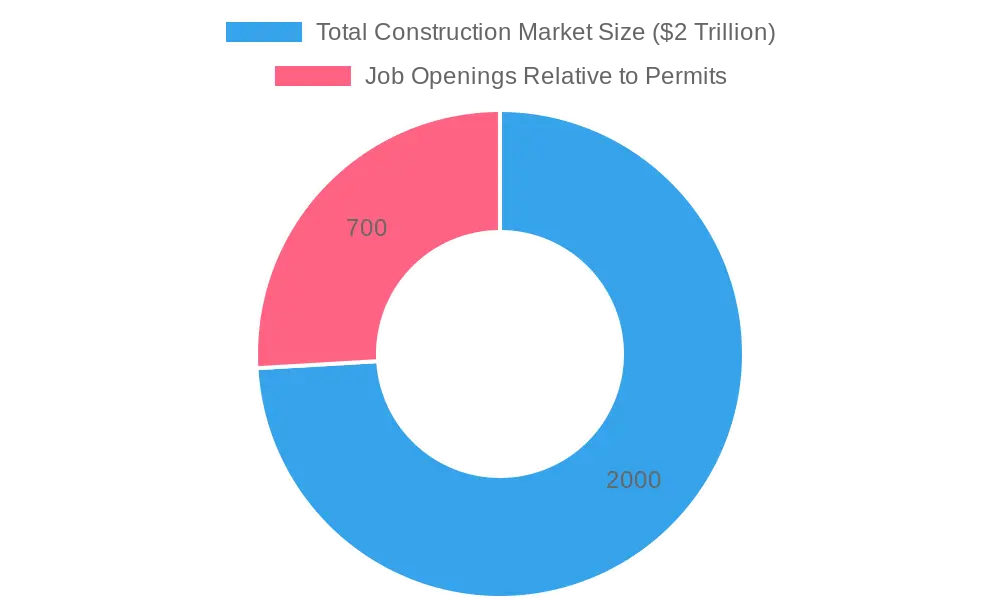
Residential Construction Statistics in the U.S. (2023)
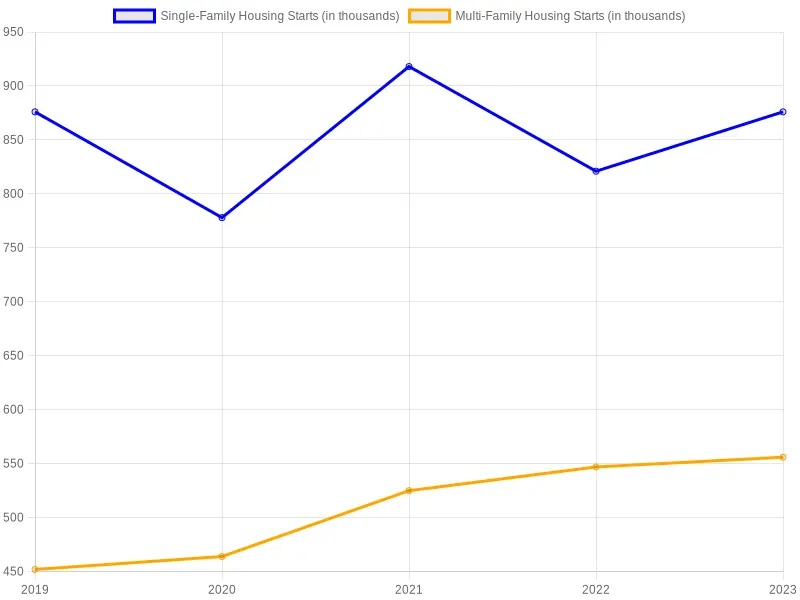
U.S. Housing Start Trends: Single-Family vs Multi-Family (2019-2023)
Introduction
In the ever-evolving landscape of residential construction, certain projects stand out as beacons of success. This case study examines the Eames House (Case Study House No. 8), designed by renowned architects Charles and Ray Eames, which not only epitomizes modernist design but also highlights best practices in residential construction. This project serves as a model for business owners and construction companies aiming to elevate their projects while ensuring sustainability, cost-efficiency, and client satisfaction.
Project Overview
Completed in 1949, the Eames House is located in Pacific Palisades, California. The architectural design incorporates a harmonious blend of indoor and outdoor spaces, employing innovative materials such as steel and glass. Its prefabricated design allowed for modular construction, which reduced assembly time and associated costs. The home is now a designated historic site, offering insight into mid-century modern architecture while remaining a functional living space.
Key Success Factors
- Innovative Design and Materials
- The use of modern materials enhanced the aesthetic and structural integrity of the house. The integration of large glass panels fosters a connection with the surrounding landscape, promoting natural light and reducing energy consumption. This aligns with modern principles of sustainable design and reflects a growing trend toward eco-friendly building practices.
- Modularity and Prefabrication
- The Eames House exemplifies the efficiency of modular construction. By prefabricating components off-site, the project minimized waste and labor costs. The flexible design also allows for future modifications, which caters to the evolving needs of its residents.
- Client-Centric Approach
- The Eameses designed the house for their personal use, ensuring that it met their specific needs and lifestyle preferences. This client-focused strategy is crucial in understanding and implementing functional and aesthetic requirements, ultimately enhancing customer satisfaction.
- Sustainable Practices
- Emphasizing sustainability, the Eames House is strategically situated to utilize natural ventilation and minimize energy consumption. This case highlights the importance of environmental consciousness in modern residential projects, advocating that balancing innovation with sustainability is essential for future success.
- Cultural and Historical Integration
- The house is not merely a living space; it is a cultural landmark that reflects the historical context of post-war America. The significance of integrating local culture and history into residential design is crucial for creating a sense of place and identity, making projects more appealing to prospective owners.
Lessons for Business Owners
- Embrace Innovation
- As illustrated by the Eames House, utilizing innovative materials and construction methods can set a project apart. Business owners should continually explore new technologies and approaches in construction to stay competitive and improve efficiency.
- Prioritize Client Needs
- Understanding the needs of clients and adapting designs accordingly can lead to higher levels of satisfaction. A personalized approach fosters strong relationships and promotes repeat business.
- Focus on Sustainability
- With growing environmental concerns, focusing on sustainable building practices is not just a trend but a necessity. Business owners should integrate eco-friendly solutions into their projects to align with market demands and contribute positively to the environment.
- Invest in Expertise
- Successful projects like the Eames House underline the importance of skilled professionals in achieving design aspirations. Investing in training for staff and seeking collaboration with experienced architects and designers can significantly enhance project outcomes.
Conclusion
The Eames House remains a landmark of architectural ingenuity and residential design. Its emphasis on innovation, sustainability, and client satisfaction provides a blueprint for today’s business owners in residential construction. By learning from successful projects and consistently seeking improvement, construction companies can not only meet but exceed industry expectations. As the market evolves, adapting and implementing these key factors will be critical avenues for growth and success in residential construction.
For those interested in enhancing their own projects, learn more about remodeling services that could integrate some of these best practices.
Growth Trends in Residential Construction
Residential construction has shown significant growth trends over the past decade. Below, we illustrate the investment and project completions in the sector, providing a visual context for the changes that have taken place between 2013 and 2023.
Housing Units Authorized and Investment
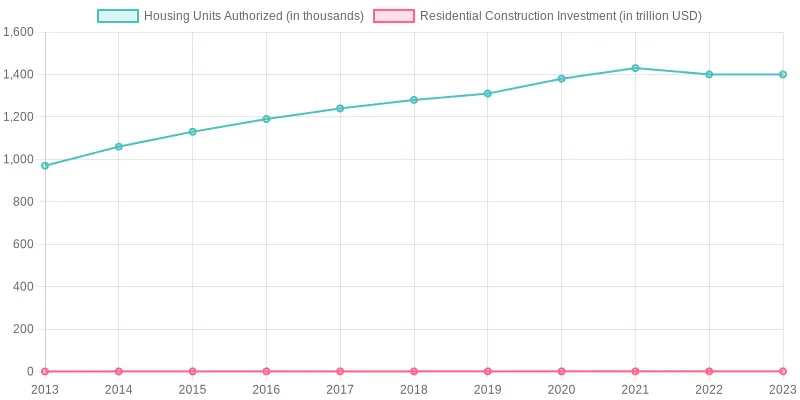
Key Insights:
- Housing Units Authorized by Building Permits: Increased from approximately 970,000 in 2013 to about 1.4 million in 2023.
- Residential Construction Investment: Grew from $0.7 trillion in 2013 to $1.2 trillion by 2023.
Project Completions in Residential Construction
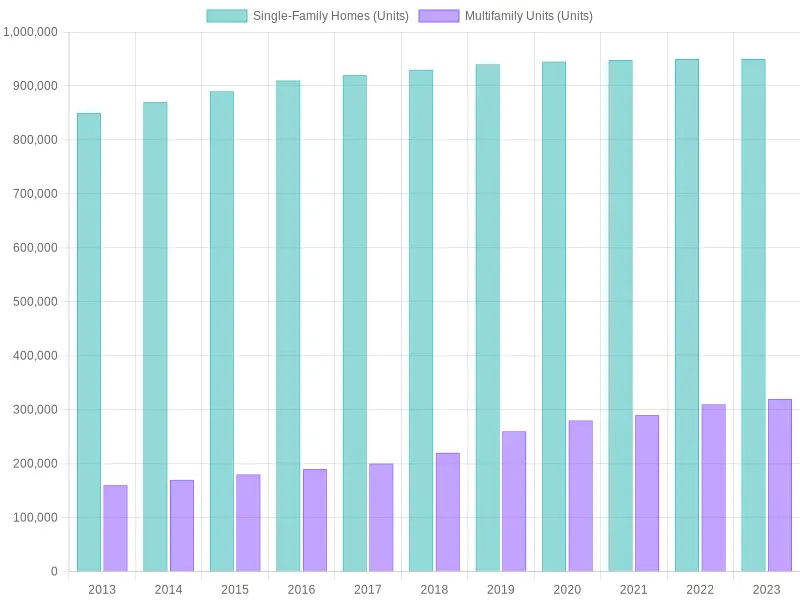
Project Completions Data:
| Year | Single-Family Homes (Units) | Multifamily Units (Units) |
|---|---|---|
| 2013 | 850,000 | 160,000 |
| 2014 | 870,000 | 170,000 |
| 2015 | 890,000 | 180,000 |
| 2016 | 910,000 | 190,000 |
| 2017 | 920,000 | 200,000 |
| 2018 | 930,000 | 220,000 |
| 2019 | 940,000 | 260,000 |
| 2020 | 945,000 | 280,000 |
| 2021 | 948,000 | 290,000 |
| 2022 | 950,000 | 310,000 |
| 2023 | 950,000 | 320,000 |
Conclusion
The residential construction sector has shown resilience and growth amid economic challenges. Business owners can leverage this information to understand market dynamics better and make informed decisions about future investments and projects. For more insights into home renovations and construction, learn more about remodeling services.
Best Practices for Business Owners in Residential Construction
As business owners in the residential construction sector navigate a complex landscape marked by various challenges and opportunities, adopting effective strategies is crucial for sustainability and growth. Here are some best practices for success in residential construction:
1. Set Clear Goals
Establish short-term and long-term objectives that are realistic and measurable. Clear goal-setting not only provides direction but also aids in tracking progress against set benchmarks. This adds accountability and fosters operational efficiency.
2. Invest in Skills and Training
Labor shortages are a critical issue in construction. Therefore, investing in workforce training and development can ensure that your team is skilled and versatile. This not only promotes productivity but also enhances job satisfaction, leading to lower turnover rates. Consider partnerships with local trade schools to create a pipeline of talent for your projects.
3. Implement Efficient Project Management
Utilizing advanced project management software can streamline operations, manage timelines, and improve collaboration among stakeholders. This tech-driven approach also aids in budgeting and resource allocation, minimizing delays and cost overruns.
4. Monitor Supply Chain Trends
Supply chain disruptions can significantly impact project timelines and costs. Stay informed about market conditions by fostering relationships with multiple suppliers. Diversifying your supply chain sources can mitigate risks associated with dependency on single suppliers.
5. Stay Compliant with Regulations
Regularly update your knowledge of local building codes and regulations. Engaging with a compliance officer or a legal advisor can help navigate the complexities of construction laws, ensuring your projects remain compliant and reducing the risk of costly fines.
6. Focus on Customer Engagement
Developing strong relationships with clients can lead to repeat business and referrals. Invest in customer engagement strategies, such as regular updates during the construction process or post-project follow-ups, to enhance client satisfaction.
7. Leverage Technology
Adopting new technologies like Building Information Modeling (BIM) can enhance project visualization, enabling easier adjustments and improvements throughout the construction phases. These tools can also facilitate better collaboration across your teams and reduce errors.
8. Analyze Market Conditions
Regularly evaluate market trends and adjust your business strategies accordingly. Understanding consumer needs and preferences will help you stay competitive in a fluctuating market. For detailed insights into the challenges facing the construction industry, refer to the seven key strategies for small construction businesses and 2024 construction industry trends.
Conclusion
By implementing these best practices, residential construction business owners can enhance their operational effectiveness, mitigate risks, and position themselves to take advantage of new growth opportunities. Continuous adaptation to changing market dynamics is essential for long-term success.
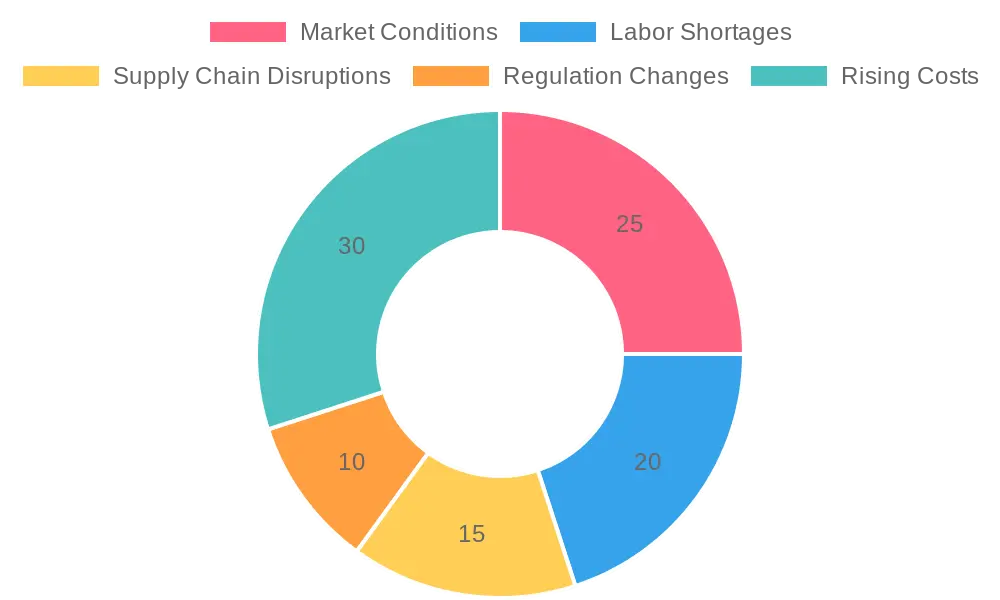
Data Visualization: The chart below illustrates the key challenges faced by residential construction businesses in 2023:
| Category | Challenge | Percentage |
|---|---|---|
| Market Conditions | Fluctuating demand, housing affordability issues, and economic uncertainty affecting project viability | 25% |
| Labor Shortages | Difficulty in hiring skilled workers such as electricians, plumbers, and carpenters | 20% |
| Supply Chain Disruptions | Delays in delivery of materials (e.g., lumber, steel, concrete) due to global logistics issues | 15% |
| Regulation Changes | Evolving building codes, permitting delays, and increased compliance requirements | 10% |
| Rising Costs | Increased prices for materials, labor, equipment, and insurance premiums | 30% |
Sources:
- Construction Industry Challenges in 2023 – Scribd
- Key strategies for success in construction – Deltek
By incorporating these strategies into daily operations, business owners can foster robust businesses adapted to the current market climate, ready for both challenges and opportunities ahead.