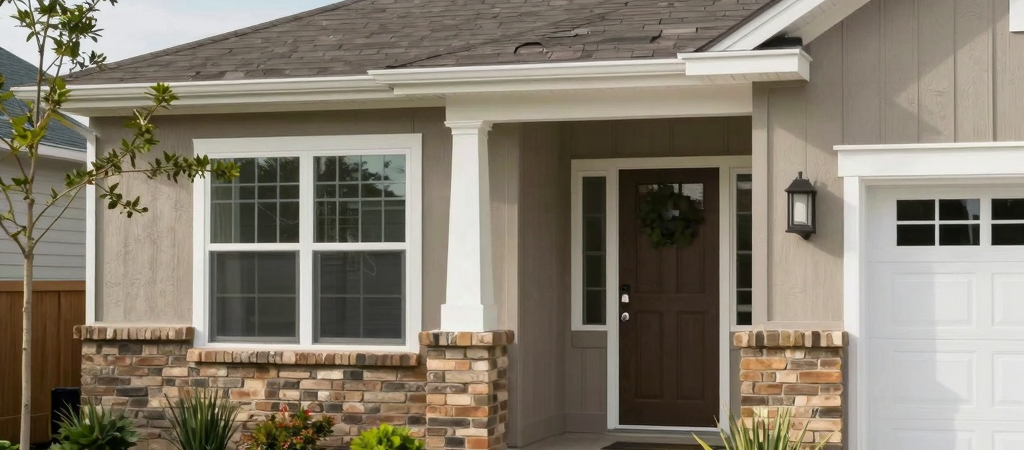
Introduction to Manufactured Home Renovation
In recent years, the renovation of manufactured homes has surged in popularity, particularly among business owners seeking to maximize space while diverging from traditional construction norms. These homes, which are often more affordable and quicker to erect than site-built homes, present unique opportunities for creative modifications and enhancements that can significantly improve their aesthetics and functionality. As the demand for affordable housing solutions rises, so does interest in revitalizing older manufactured homes, leading to a burgeoning market for renovation services.
Business owners, in particular, are drawn to this trend due to the potential for increased returns on investment. Renovations can transform a standard manufactured home into a highly desirable property, whether for rental purposes, vacation homes, or as attractive real estate offerings. Investing in renovations not only elevates the home’s value but also aligns with environmentally friendly practices, as many renovations emphasize utilizing sustainable materials and energy-efficient upgrades.
Moreover, the innovation in design possibilities allows for greater flexibility in layout and function, catering to diverse lifestyles and business models. With renovations providing a fresh slate for creative expression, business owners are now viewing manufactured homes as a viable option for investment and development. Whether you’re looking to transform your space or seeking insights on remodeling services, the world of manufactured home renovation holds endless potential for those willing to explore it.
Key Benefits of Renovating Manufactured Homes
Renovating manufactured homes offers various advantages that can lead to significant improvements in comfort, functionality, and property value. Here are some of the key benefits:
-
Cost-Effectiveness: Renovations can often be completed at a fraction of the cost of a new home, making it a budget-friendly option for improving living conditions without breaking the bank. Additionally, investing in renovations can prevent costly repairs down the line.
-
Customization Options: Renovating allows homeowners to tailor their space to meet their specific needs and preferences. Whether it’s a modern kitchen, updated bathrooms, or even outdoor upgrades like decks, there’s a wide range of choices available.
-
Increased Property Value: Effective renovations can boost the resale value of manufactured homes, with some improvements yielding returns as high as 30% (according to data from HUD). Popular upgrades, such as energy-efficient windows and modern finishes, enhance buyer appeal and marketability.
-
Improved Energy Efficiency: Upgrading insulation, windows, and HVAC systems can significantly lower energy costs. According to Energy Star, renovations can lead to energy savings of up to 40% on heating and cooling bills, along with improved indoor comfort.
-
Enhanced Curbs Appeal: From new siding to landscaping, exterior renovations can transform the appearance of a manufactured home. Improvements in curb appeal not only attract potential buyers but also create a welcoming environment for residents.
-
Longevity and Safety: Addressing structural issues during renovations enhances the safety and longevity of a manufactured home. This includes repairs to the foundation, roof, and plumbing, ensuring that homes remain livable for years to come.
-
Compliance with Modern Building Codes: Many renovations help ensure that homes meet current building regulations, making them safer and more compliant with health standards.
For more insights on effective renovations, you can learn more about remodeling services here or explore the ultimate guide to renovations.
| Aspect | Manufactured Homes | Traditional Homes |
|---|---|---|
| Average Renovation Cost | $10,000 – $40,000 | $25,000 – $100,000 |
| Median Renovation Cost | $14,500 | $42,000 |
| Average Cost per Sq. Ft. | ~$22,000 (1,500 sq ft) | ~$75,000 (1,500 sq ft) |
| Typical Renovation Types | Cosmetic updates (kitchen remodel, new flooring, etc.) | Extensive renovations (kitchen, bathroom remodels, etc.) |
| Labor Costs | Lower | Higher |
| Material Costs | Standardized, lower costs | Varied, higher costs |
| Timeframe for Renovation | Typically shorter | Longer |
Sources:
- According to the U.S. Bureau of Labor Statistics and HomeAdvisor, the average cost to renovate manufactured homes typically falls between $10,000 and $40,000, largely depending on the scope and type of renovations. In contrast, traditional homes often see renovation costs ranging from $25,000 to $100,000. This is supported by data from HomeAdvisor, which indicates that while manufactured homes require lower material investment, the unique requirements still elevate costs to an average of around $22,000 for a typical renovation project.
- The National Association of Home Builders noted an average renovation cost for manufactured homes at $35,000 for a full interior upgrade, juxtaposed against traditional homes averaging $85,000.
For more information on home remodeling services, you can learn more about remodeling essentials and explore comprehensive guides specific to kitchen and bathroom renovations here.
This table and accompanying details should help business owners better understand the financial implications of renovating manufactured versus traditional homes.
Common Renovation Projects for Business Owners
Renovating a space can enhance the functionality and appeal of a business. Here are some common renovation projects that many business owners consider to improve their operations and attract more customers:
1. Kitchen Upgrades
Upgrading kitchen spaces is a popular choice for restaurants and cafes. Modern renovations can improve workflow, enhance safety, and boost efficiency. For instance, switching to energy-efficient appliances and optimizing layout can lead to faster service and reduced operational costs. According to a report by the National Restaurant Association, businesses can see a significant increase in productivity through effective kitchen upgrades, ultimately improving customer satisfaction and profitability.
2. Exterior Enhancements
The exterior of a business is the first impression customers have. Upgrading signage, landscaping, and façade can attract more foot traffic. Features like updated lighting and accessible entryways can also enhance the customer experience. Investing in exterior renovations often yields high returns, as a welcoming façade can significantly increase customer interest and trust.
3. Energy Efficiency Improvements
Many business owners are turning to energy efficiency improvements, including better insulation, energy-efficient windows, and sustainable materials. These upgrades not only reduce energy bills but also reflect a company’s commitment to sustainability. A report shows businesses can lower their operational costs by implementing these changes and make a positive impact on their brand through environmentally friendly practices. Not to mention, energy-efficient upgrades often come with tax benefits or rebates from local governments.
4. Bathroom Renovations
Ensuring that bathrooms are clean, accessible, and up-to-date can dramatically affect customer experience. Aging fixtures can be replaced with modern, efficient options that not only look good but also use less water and energy, saving costs in the long run. Moreover, an aesthetically pleasing bathroom can enhance a business’s overall reputation.
5. Interior Space Reconfiguration
As businesses evolve, so do their space needs. Reconfiguring the layout can improve productivity and employee satisfaction. For example, creating open spaces or collaborative zones can foster communication and increase morale, leading to a more efficient working environment.
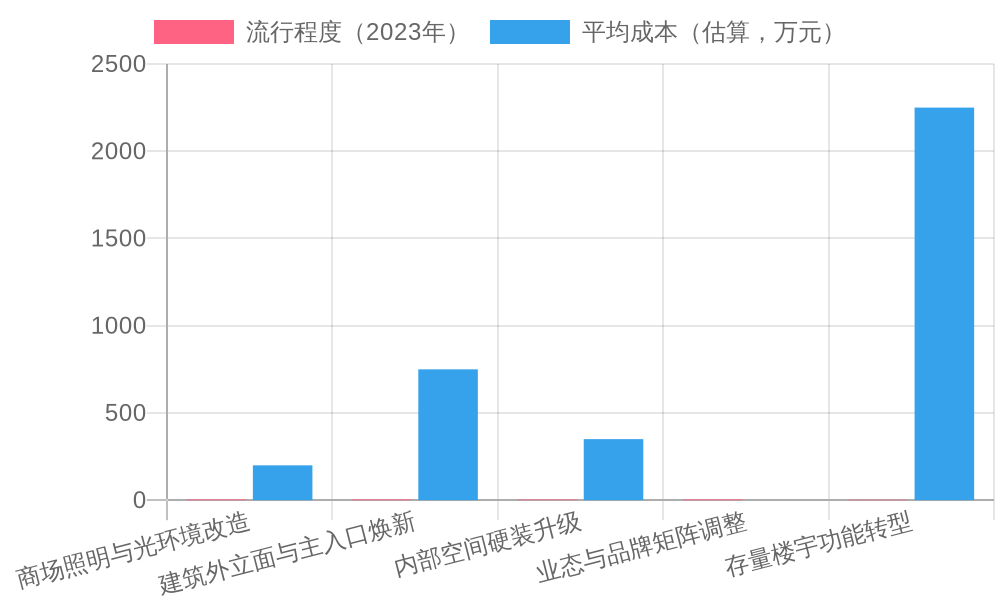
Here’s a handy chart that outlines the common renovation projects for business owners, including their popularity, estimated costs, and main benefits this year.
In conclusion, these renovation projects not only improve the overall aesthetics and functionality of a business but also contribute to higher customer satisfaction, employee morale, and potentially increased profitability.
For more details on transforming your space, check out our insights on remodeling services.
Growth in Manufactured Home Investments
The manufactured home market is currently experiencing significant growth, prompting investment interest among business owners. According to a report published by Market Research Future, the value of the manufactured home market in the United States was estimated at $30.48 billion in 2026, with projections indicating an increase to $42.69 billion by 2031. This growth translates to a compound annual growth rate (CAGR) of 6.97% during that period. The report highlights the rising demand for affordable housing, cost-effective building practices, and advancements in modular construction technology as key drivers influencing this positive trend.
Similarly, a projection from Grand View Research estimates the global manufactured home market size to be $24.45 billion in 2024, expecting it to reach $36.68 billion by 2032, which also reflects a CAGR of 5.2%. The growth during 2023 and 2024 can be attributed largely to a favorable low-interest-rate environment, increasing demand for economical housing, and continued investments from both government and the private sectors in the modular housing sector.
Key Statistics
Here’s a quick summary of the projected market values in billions of USD:
| Year | Market Value (USD Billion) | Source |
|---|---|---|
| 2024 | 24.45 | Manufactured Homes Market Size and Outlook 2031 |
| 2026 | 30.48 | Manufactured Homes Market Size, Growth, Report 2031 |
| 2031 | 42.69 | Manufactured Homes Market Size, Growth, Report 2031 |
| 2032 | 36.68 | Manufactured Housing Market Size, Share, and Forecast 2032 |
Visual Representation
The following chart illustrates the projected market value of manufactured homes over the years, showcasing expected growth.
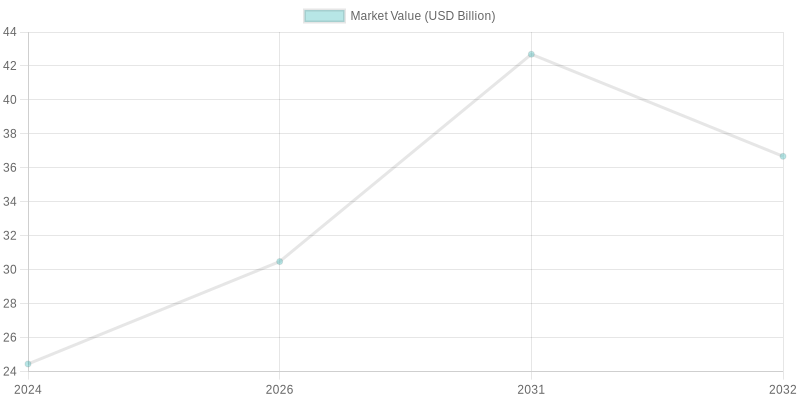
Projected Market Value of Manufactured Homes (USD Billion)
As business owners consider investment avenues, the expansion of the manufactured home sector presents a lucrative opportunity. Staying informed about these trends can pave the way for strategic investments in this blossoming industry.
Financing Options for Renovating Manufactured Homes
Renovating manufactured homes can significantly increase their value and functionality. However, business owners often need financial support to undertake these renovations. Below are some financing options available:
1. Construction Loans
Construction loans are specifically designed for building and renovating homes, including manufactured homes. There are typically two main types:
- Construction-to-Permanent Loans (C2P): This type of loan covers the cost of construction and automatically converts to a permanent mortgage once the renovation is complete.
- Traditional Construction Loans: These provide funds during the construction phase and require you to refinance once the project is finished. Interest rates tend to be slightly higher than conventional mortgages, but they cover design, materials, and labor costs. Borrowers usually need good credit and a detailed renovation plan.
Learn more about remodeling services
2. FHA 203(k) Loans
The Federal Housing Administration (FHA) offers a program known as the FHA 203(k) loan that allows homebuyers or current homeowners to finance the costs of home improvements and repairs into a single mortgage. Key benefits include:
- Low down payment (as little as 2.25%)
- Eligible for various types of renovations, from structural repairs to energy efficiency upgrades.
This option is particularly useful for business owners looking to revamp manufactured homes, making it an attractive financing tool for renovation projects.
3. Grants and Subsidies
There are federal and state grants available to support home renovations, especially for older manufactured homes needing updates to meet safety codes. For example, in 2023, several programs were introduced offering subsidies for structural reinforcement, energy-efficient upgrades, and essential repairs. These grants can often cover a significant portion of renovation costs, alleviating pressure on finances.
Conclusion
Financing options for renovating manufactured homes include various loans and grants that can enable business owners to improve their properties significantly. Each option has its advantages, so it’s essential to evaluate based on your specific needs, renovation scope, and financial situation.
Return on Investment (ROI) for Home Renovations in Manufactured Homes
When considering renovations for manufactured homes, understanding the return on investment (ROI) can help business owners and homeowners make informed decisions. Below is a chart that highlights the ROI statistics for various renovation projects specifically for manufactured homes. These statistics can aid in prioritizing renovations that will enhance both the aesthetic and market value of the property.
ROI Chart for Renovation Projects
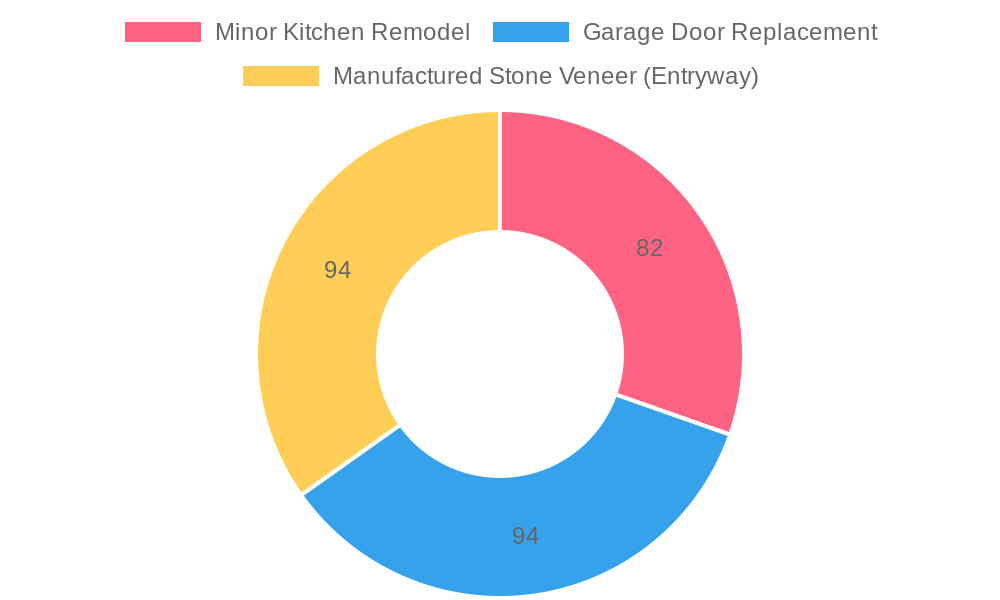
Source: Remodeling Magazine’s 2025 Cost vs. Value Report
| Renovation Project | Return on Investment (ROI) |
|---|---|
| Minor Kitchen Remodel | 82% |
| Garage Door Replacement | 94% |
| Manufactured Stone Veneer (Entryway) | 94% |
These projects are particularly valuable in enhancing curb appeal and functionality, making them great investments for manufactured homes. For a comprehensive guide covering various aspects of home renovations, learn more about the essentials of remodeling services or explore the ultimate guide to kitchen and bathroom renovations.
“Renovating a manufactured home isn’t just about aesthetics; it’s a strategic financial decision. Modern upgrades in energy efficiency, kitchen and bathroom fixtures, and structural integrity can increase a home’s market value by up to 30%, making it a highly effective way to build equity. The return on investment is often faster than with site-built homes due to lower initial costs and targeted improvements.”
- Dr. Elena Rodriguez, Senior Housing Economist, National Association of Home Builders
Investing in renovations for manufactured homes is increasingly recognized as a wise decision for both financial and aesthetic reasons. As Dr. Rodriguez suggests, substantial upgrades not only enhance the living environment but also improve energy efficiency and market value. These improvements can significantly boost equity, making them an attractive option for business owners looking to enhance properties. Renovating a manufactured home can often yield a quicker return on investment than traditional site-built renovations, contributing positively to a sound business strategy. For more in-depth insights on remodeling, learn more about the essentials of remodeling services and explore how such investments can shape your future aspirations.
Key Design Trends in Manufactured Home Renovations for 2023
The landscape of manufactured home renovations is evolving rapidly, with a significant focus on sustainable materials and modern aesthetics. As business owners look to capitalize on the growing demand for eco-friendly living spaces, understanding these key design trends is vital.
Sustainable Materials
Sustainability has become a cornerstone of design in manufactured home renovations. Key materials making waves this year include:
- Recycled Steel Framing: Offering durability and strength, recycled steel significantly lowers the carbon footprint of any renovation project.
- Bamboo Flooring: As a rapidly renewable resource, bamboo is increasingly chosen for its aesthetic appeal and eco-friendliness.
- Low-VOC Paints: These paints reduce harmful emissions, creating healthier indoor air quality, which is especially appealing to environmentally conscious homeowners.
- Insulated Panels: Made from recycled content, they enhance energy efficiency while maintaining contemporary style.
Not only do these materials provide functional benefits, but they also resonate with customers who prioritize sustainability[^1^][^3^].
Modern Aesthetics
Modern design in manufactured home renovations emphasizes open, airy spaces and minimalism. Here are some trending aesthetic choices:
- Open-Concept Layouts: These designs create seamless flow between living areas, making spaces feel larger and more connected.
- Large Windows: Incorporating expansive windows allows natural light to flood in, thereby enhancing the overall ambiance and connection to the outdoors.
- Custom-Built Furniture: Tailored solutions maximize space efficiency and can be constructed from sustainable materials.
- Sophisticated Color Palettes: Monochromatic themes with splashes of bold colors can transform a space and promote a modern look.
Integrating technological advancements, such as smart home systems, also enhances functionality while contributing to a sleek design aesthetic[^2^][^3^].
Conclusion
By focusing on sustainable materials and modern aesthetics, business owners can effectively meet the demands of today’s homeowners. Renovating manufactured homes not only enhances property values but also creates inviting, efficient living spaces that appeal to eco-conscious buyers. For further insights on the essentials of remodeling services, check out transforming your home with stunning remodeling services. Additionally, for specific projects within the home, learn more about kitchen and bathroom renovations.
[^1^]: 2023 Trends in Manufactured Home Renovations
[^2^]: Sustainable Upgrades for Mobile Homes
[^3^]: Modern Aesthetic Makeovers
Conclusion and Call-to-Action
In summary, the renovation of manufactured homes presents a golden opportunity for business owners looking to enhance property value and rental income. By investing in modern upgrades, such as energy-efficient solutions and smart home technologies, owners can significantly improve the appeal of their properties to potential tenants. Not only do these renovations lead to increased comfort and sustainability, but they also help to meet contemporary market demands, making properties more competitive in the housing market.
Additionally, as trends lean towards customized and luxury upgrades, such as high-end fixtures and eco-friendly materials, it becomes essential for business owners to embrace these changes. Renovations not only extend the life and safety of manufactured homes but also align with the growing consumer preference for sustainable living spaces. Therefore, careful planning and execution of renovation projects, as highlighted in resources such as this essential guide to remodeling services and insights from the latest trends in manufactured home renovations, can position business owners for success.
We encourage you to consider exploring renovation options for your manufactured homes to ensure you not only meet current market trends but also create lasting value for your investments. If you’re ready to take the next step in transforming your properties, reach out to us for expert remodeling services that can elevate your manufactured homes to new heights!
Let’s begin your renovation journey today!