Building the Future: The Importance of Built Home Construction
As the housing market continues to evolve, the concept of built home construction emerges as a critical investment for business owners in the industry. This innovative approach not only addresses the growing demand for customized living spaces but also enhances operational efficiency and maximizes profitability. For businesses looking to stand out in a competitive landscape, understanding the nuances of built home construction is essential. It offers a unique opportunity to create tailored environments that reflect modern lifestyle requirements and aesthetics. Additionally, the focus on sustainable practices within built construction can attract environmentally conscious buyers, adding to the value proposition. In this article, we will delve deeper into the facets of built home construction that can help entrepreneurs drive their business forward, including expert insights and essential services such as transforming your home with stunning remodeling services and the latest trends in new construction.
Join us as we explore the transformative power of built home construction in shaping not only houses but homes that inspire comfort and functionality.
Benefits of Built Home Construction for Business Owners
Building a new home can be a significant investment for business owners, offering numerous advantages that cater specifically to their needs. Here are some compelling benefits of built home construction:
-
Cost-Effectiveness
Constructing a new home often proves more economical than purchasing an existing property that may require extensive renovations. New constructions come with warranties, which can save on maintenance costs. As highlighted by sources such as GHBA, modern construction methods also prioritize energy efficiency, further reducing operating costs over time. -
Customization Options
Constructing a home from scratch allows business owners to tailor every detail to their specific needs. Whether it’s creating a dedicated home office space or incorporating modern amenities that streamline workflow, the ability to customize design significantly enhances functionality. Many builders, including those in the regions served by Rudenko Construction, offer collaborative processes to ensure that your vision materializes effectively. -
Market Demand and Value Appreciation
Newly constructed homes tend to appreciate better in value compared to older homes, as they are built to the latest standards and include modern amenities. This potential for strong resale value can be particularly beneficial for business owners looking to invest in real estate. Reports such as those from David Adams Custom Homes underscore the importance of value retention in real estate investment. -
Reduced Maintenance and Enhanced Insurance
New homes typically require less maintenance and can lead to lower homeowners’ insurance premiums. Building a home with safety in mind and incorporating efficient building practices can mitigate risks and insurance costs. -
Environmentally Friendly Options
Many modern construction techniques incorporate sustainable materials and practices, appealing to eco-conscious consumers. Business owners can position their properties as sustainable, which is increasingly important to today’s market. Choosing eco-friendly materials can also reduce long-term energy costs.
Overall, business owners looking at built home construction can leverage these advantages to enhance their living and working environments, reflecting their brand in every aspect of their property. Not only does this create a functional space conducive to productivity, but it also serves as a valuable investment in the long run.
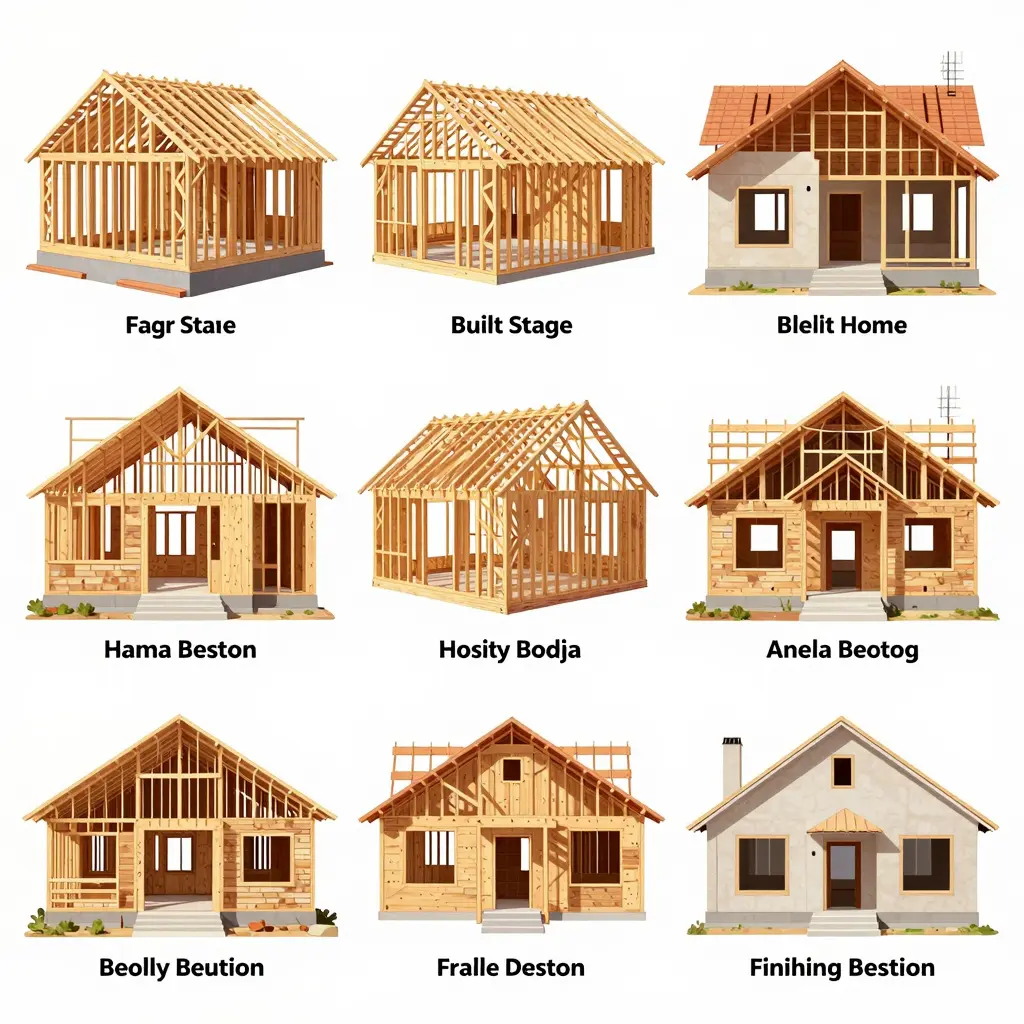
Built home construction is an intricate process that often poses numerous challenges for business owners. Navigating regulatory hurdles, managing supply chain issues, and addressing financing concerns are critical aspects that can significantly impact project timelines and overall viability.
Regulatory Hurdles
One of the most significant challenges in home construction arises from regulatory hurdles. Local, state, and federal regulations govern building codes, zoning laws, and environmental compliance. Business owners often face lengthy approval processes that can delay project commencement. For example, regulations that demand thorough environmental assessments or adherence to outdated zoning laws can stall developments significantly. A recent article highlighted how high internal barriers and regulatory hurdles in London are making it increasingly difficult to achieve housing targets, further exacerbating the housing crisis in urban areas. Learn more about remodeling services.
Key Effects of Regulatory Challenges:
- Increased project timelines due to lengthy approvals.
- Additional costs incurred from compliance requirements.
- Complexities in navigating multiple layers of regulations.
Supply Chain Issues
Another pressing concern for builders is supply chain disruptions. The construction industry relies heavily on a robust supply chain to procure materials like lumber, steel, and fixtures. Recently, global supply chain challenges have caused delays and increased material costs, making it difficult for construction companies to adhere to budgets and timelines. For instance, ongoing reports indicate that supply chain challenges are affecting not only material availability but also the overall feasibility of construction projects. Without timely access to materials, projects can stall, leading to potential financial losses and client dissatisfaction.
Factors Contributing to Supply Chain Disruptions:
- Increased shipping costs and delays.
- Shortages of key materials due to demand fluctuations.
- Reliance on international suppliers vulnerable to geopolitical events.
Financing Concerns
Financing is a critical issue for many home construction businesses. In 2023, the construction sector saw an increase in bank financing, with a notable rise related to economic pressures and rising material costs. However, access to financing can still present challenges, with many builders facing difficulties in securing loans that meet their project needs. Investors and lenders are increasingly cautious due to the economic uncertainties linked to inflation and fluctuating interest rates, which can deter investment in new construction projects. According to recent statistics, financing for the construction sector remained steady, yet the complexities of securing appropriate funding continue to pose a challenge.
Implications of Financing Issues:
- Higher interest rates affecting project budgeting.
- Lengthy approval processes for financing can delay projects.
- Increased scrutiny from lenders on construction viability.
In conclusion, built home construction involves navigating a labyrinth of regulatory hurdles, supply chain issues, and financing concerns. Understanding these challenges is essential for business owners looking to succeed in the construction market. Streamlining communication with regulatory bodies, developing strong relationships with suppliers, and maintaining flexible financing strategies can mitigate these risks significantly. By addressing these core issues, business owners can help ensure their construction projects are completed on time and within budget. Explore more about managing construction challenges.
Comparing Different Construction Methods for Homes
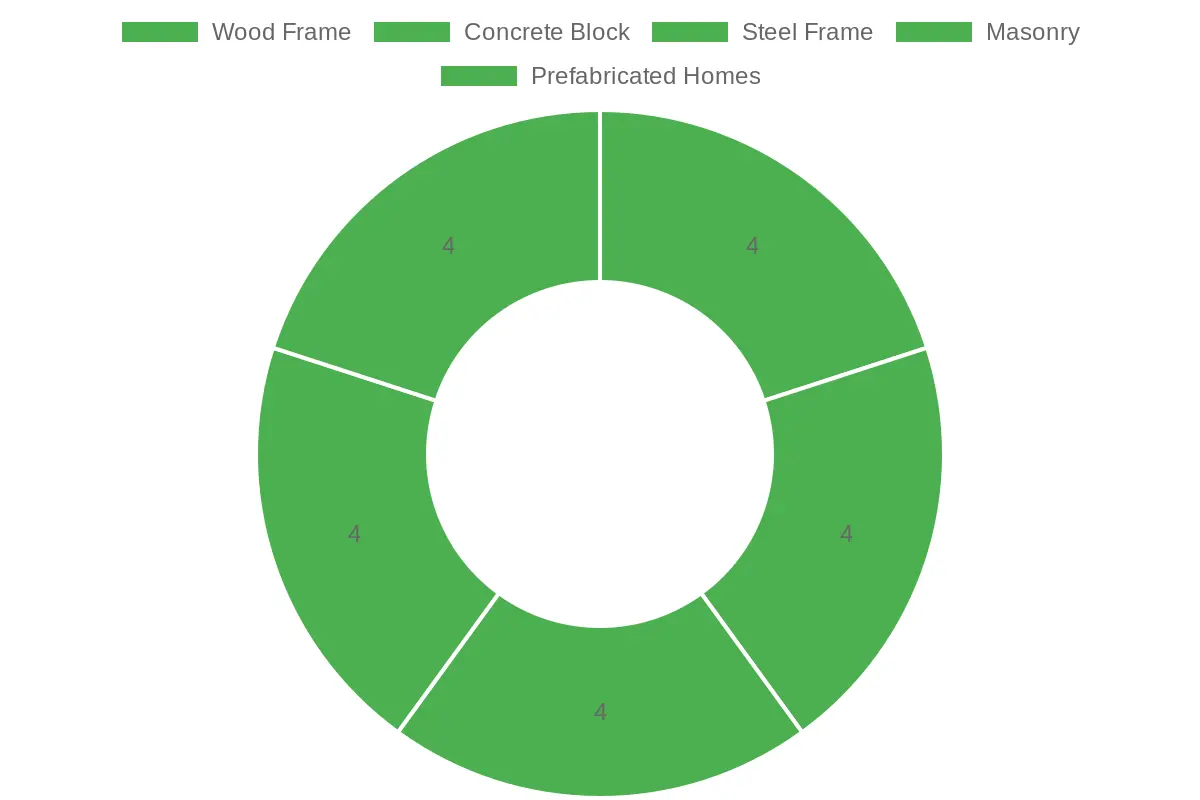
As a business owner in the construction industry, understanding the various construction methods available is crucial to making informed decisions. Below is a comparison table highlighting popular construction methods, along with their pros and cons, specifically tailored for business owners.
| Construction Method | Pros | Cons |
|---|---|---|
| Wood Frame | – Lightweight | – Susceptible to termites and rot |
| – Quick to build | – May require more maintenance | |
| – Cost-effective | – Limited durability in extreme conditions | |
| Concrete Block | – Strong and durable | – Heavier and harder to work with |
| – Fire resistant | – Longer build time and higher cost | |
| – Low maintenance | – Poor insulation without additional finishing | |
| Steel Frame | – High strength-to-weight ratio | – Can be costly and require skilled labor |
| – Flexible design | – Susceptible to corrosion without treatment | |
| – Great for large structures | – Requires intense energy for production | |
| Masonry | – Fire and pest resistant | – Labor-intensive and time-consuming |
| – High thermal mass (energy-efficient) | – Expensive materials | |
| – Long-lasting | – Requires skilled labor for construction | |
| Prefabricated Homes | – Fast construction times | – Limited customizability |
| – Reduced waste and eco-friendly | – Transportation costs can be high | |
| – Cost-effective for mass production | – Quality varies with manufacturer |
This table provides a quick overview of the advantages and disadvantages of each construction method, offering insights that can impact your project timelines, costs, and overall strategy. For more detailed insights on remodeling or construction projects, consider checking this guide on home remodeling essentials.
Key Players in the Built Home Construction Industry
Understanding the various players in the built home construction industry is crucial for business owners aiming to navigate this complex field successfully. Here’s a list of essential participants, including suppliers, contractors, and technologies vital for home construction.
-
National Home Builders:
-
D.R. Horton: The largest home construction company in the U.S., known for delivering approximately 89,700 homes across 36 states.
-
Lennar Corporation: A major player focusing on home construction and community development.
-
PulteGroup: Renowned for its commitment to innovative home design and customer satisfaction.
-
NVR, Inc.: Operates under various local brand names and offers a range of home styles tailored to diverse markets.
-
Subcontractors and Specialty Contractors:
-
Essential for plumbing, electrical, roofing, and HVAC work, these contractors bring specialized knowledge to various aspects of construction.
-
Architects and Designers:
-
Responsible for creating plans and ensuring compliance with zoning laws and building codes. They often collaborate closely with builders to achieve the vision of the homeowner.
-
Suppliers:
-
Building material suppliers are crucial, providing everything from lumber and concrete to fixtures and fittings necessary for home construction.
-
Technology Providers:
-
Companies offering construction management software, project management tools, and digital design resources, are innovative solutions driving efficiency in the industry.
Each of these players contributes uniquely to the success of built home construction. Understanding their roles helps business owners make informed decisions throughout the building process. For a comprehensive view of renovation options, you can also check out the essentials of remodeling services and the ultimate guide to kitchen and bathroom renovations.
Case Study: Building a Custom Home in Oahu
Overview
This case study details a successful custom home construction project completed by Rudenko Construction in Oahu, Hawaii. The client desired a modern home with eco-friendly features, plenty of natural light, and ample outdoor spaces to enjoy the Hawaiian landscape. The project serves as a prime example of best practices in home construction, from planning to execution.
Project Phases
To ensure a smooth construction process, the project was divided into several key phases:
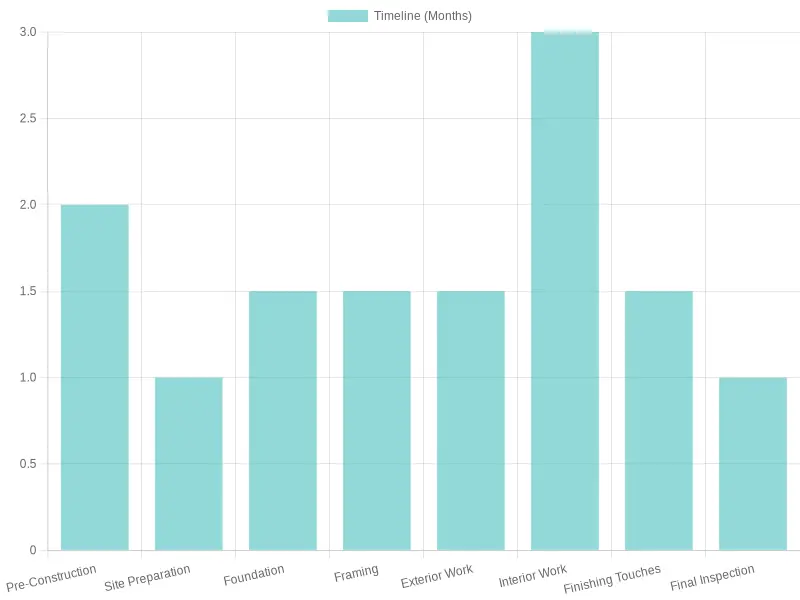
- Pre-Construction: This involved detailed planning and design, including securing permits and approvals. The team worked closely with the client to finalize the home’s layout and features. This phase took approximately 2 months.
- Site Preparation: After obtaining the necessary permits, the site was cleared and prepped for construction. This stage took 1 month, during which vital utilities were also set up.
- Foundation: The foundation was poured, which included the basement and structural support. This phase took about 1.5 months.
- Framing: The basic structure of the home was framed, including roof installation. This phase lasted for 1.5 months.
- Exterior Work: The home was fitted with siding, roofing, windows, and doors. This phase took an additional 1.5 months.
- Interior Work: Inside the house, plumbing, electrical work, and insulation were completed, followed by drywall installation. This extensive work required about 3 months.
- Finishing Touches: Lastly, painting, flooring, cabinet installation, and final inspections were conducted, taking around 1.5 months.
- Final Inspection: The final stage involved obtaining the occupancy permit, which wrapped up the project in 1 month.
Timeline of Construction Phases
The following chart illustrates the timeline and key activities involved in the construction project:
Challenges Faced
Throughout the project, the construction team encountered various challenges, including:
- Weather Delays: Unpredictable rain patterns in Hawaii occasionally delayed phases. Contingency plans were in place to manage these disruptions effectively.
- Material Supply Issues: Some eco-friendly materials were delayed due to supply chain issues. The team proactively sourced alternative materials to stay on schedule.
Lessons Learned
The successful completion of this project yielded several best practices:
- Thorough Planning: Investing time in the pre-construction phase leads to a smoother construction process.
- Strong Communication: Regular updates and an open line of communication with the client helped manage expectations and resolve issues promptly.
- Flexibility: Being adaptable to changes, whether due to unforeseen circumstances or client preferences, can enhance project satisfaction.
Conclusion
This successful home project not only reflected the client’s vision but also demonstrated the effectiveness of strategic planning, communication, and adaptability in the construction process. For those interested in home construction or remodeling, learn more about the essentials of remodeling services and discover how strategic planning can lead to a successful outcome.
For further insights on home renovations, you may also refer to our guide on transforming your space with expert home remodeling services.
Industry Growth Projections in Home Construction
As business owners in the built home construction sector, understanding market growth projections is crucial for strategic planning. The following chart illustrates the anticipated growth in the built home construction industry from 2024 to 2029:
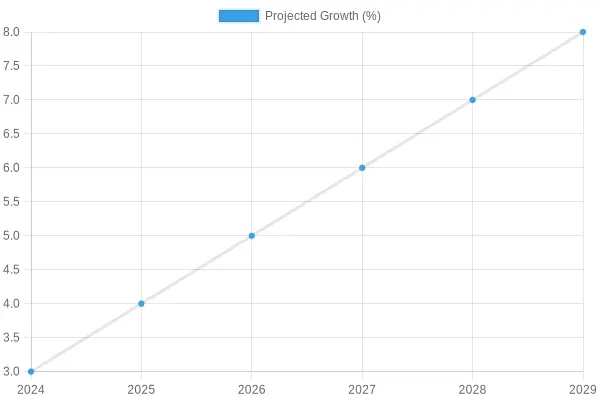
| Year | Projected Growth (%) |
|---|---|
| 2024 | 3 |
| 2025 | 4 |
| 2026 | 5 |
| 2027 | 6 |
| 2028 | 7 |
| 2029 | 8 |
This data indicates a steady growth trajectory, making it an opportune time for business owners to invest in and expand their operations in this thriving market.
For more insights and tips on renovation and remodeling, you may check our essential guides, such as the ultimate guide to kitchen and bathroom renovations and transforming your home with stunning remodeling services.
Tips for Business Owners Considering Built Home Construction
Entering the built home construction market can be a lucrative venture, but it also comes with its own set of challenges. Here are some actionable tips and strategies for business owners contemplating this field:
1. Conduct Comprehensive Market Research
Before you dive into construction, ensure you understand the current market landscape. Identifying your target demographic, understanding local regulations, and recognizing emerging trends can provide invaluable insights. Utilize resources like Market Research In The Construction Industry to guide your research efforts.
2. Focus on Financial Planning
Proper budgeting is crucial. Determine your funding sources and create a detailed financial plan that includes projected costs, timelines, and profit margins. You may want to consult professionals or consider tools for budgeting to help streamline this process.
3. Prioritize Quality and Sustainability
Today’s buyers value energy-efficient and sustainable homes. Integrating advanced insulation methods and choosing eco-friendly building materials can enhance your appeal. Refer to the article on Sustainable Home Construction Practices for Builders for best practices in this regard.
4. Build a Strong Network
Networking with other industry professionals, suppliers, and contractors can open doors to partnerships and enhance your competitiveness. Consider joining local construction associations or attending industry events to make valuable connections.
5. Leverage Technology and Innovation
Utilizing modern technology can streamline processes. From project management software to innovative building techniques, technology plays a vital role in reducing costs and improving efficiency. Staying updated on the latest construction technologies can give you a competitive edge.
6. Understand the Legal Landscape
Getting acquainted with zoning laws, building codes, and permits is necessary for compliance. Failing to adhere to these regulations can lead to costly delays and legal issues. Consult a legal advisor specializing in construction to navigate this landscape effectively.
7. Offer Excellent Customer Service
Last but not least, providing exceptional customer service can lead to repeat business and referrals. Establish clear communication and manage customer expectations throughout the construction process to ensure satisfaction.
By putting these strategies into practice, business owners can not only enter but also thrive in the built home construction market. For more insights into home renovations and related services, consider exploring transforming your home with expert remodeling services.
Conclusion: Building Your Business with Built Home Construction
In conclusion, the importance of built home construction cannot be overstated, particularly for business owners seeking to establish a functional and productive working environment. Throughout this article, we’ve discussed key aspects such as customization, energy efficiency, and long-term value, which are essential considerations in today’s competitive market.
Building your own space allows for unique designs that cater specifically to your business needs, ultimately leading to increased efficiency and satisfaction. For example, as detailed in articles from Ruby Homes and Pacific Construction Builders, the ability to tailor every aspect of your construction project means that your work environment can enhance productivity and alleviate operational bottlenecks.
Moreover, investing in a built home fosters financial control by mitigating renovation costs in the long run. Custom homes often lead to lower maintenance expenses and greater energy efficiency, as you can select materials and technologies that align with modern eco-friendly practices. This not only contributes to your bottom line but also benefits the environment.
As business owners, it’s crucial to consider these advantages when planning your next move. If you’re ready to transform your business location, consider reaching out to professional builders who can help you navigate the complexities of construction while ensuring that your specific needs are met. For more insights on remodeling and construction, check out our expert remodeling services or our comprehensive guide to renovations.
Take the first step towards building the perfect environment for your business today!
Explore Further
For additional information on how to maximize your investment in home construction, learn about essential remodeling services and explore custom solutions that fit your business model.
Every decision counts when it comes to your business’s space-make sure you choose wisely!