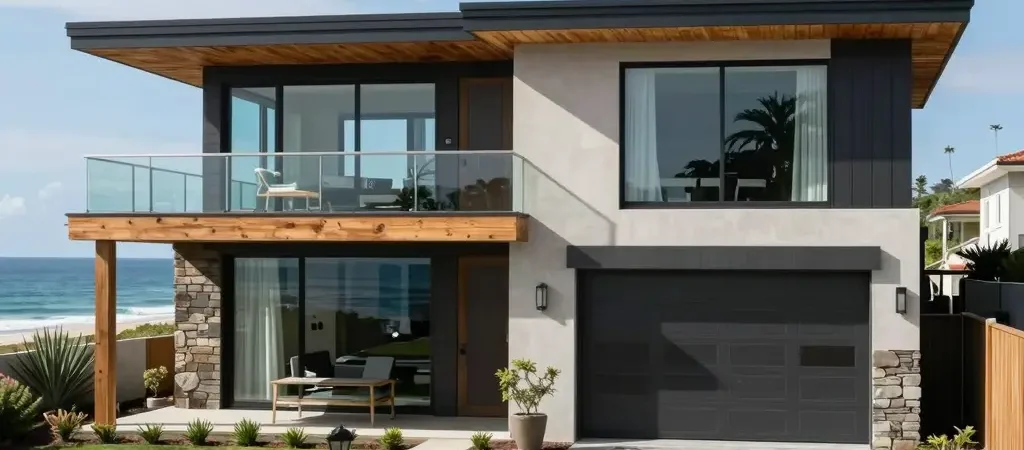
Introduction to Coastal Homes Construction
Building coastal homes has captivated the imagination of business owners and developers alike. The allure of living by the water, combined with the potential for lucrative investments, makes coastal construction an appealing option. According to a recent study, properties near the ocean consistently show higher appreciation rates than their inland counterparts, which is a significant draw for those looking to invest in real estate.
Coastal homes are not only about aesthetics; they offer a unique lifestyle that is increasingly valued in today’s market. The combination of breathtaking views, recreational opportunities, and close-knit seaside communities provides a quality of life that many seek. Moreover, business opportunities in coastal areas are booming, as tourism and hospitality industries continue to thrive, creating a demand for new housing developments and luxurious vacation rentals.
Building in coastal areas also comes with its set of responsibilities, especially when it comes to sustainability and protecting the environment. Embracing eco-friendly construction methods is a way to enhance the appeal of coastal properties while contributing positively to the ecosystem. For business owners, investing in coastal construction means aligning with modern consumer values, leading to not only immediate financial gain but also long-term sustainability.
Join us as we explore the fascinating world of coastal homes construction, detailing the essential considerations and innovative techniques that promise to shape the future of real estate in these idyllic locales. For more insights on how to successfully transform a property, visit our expert home remodeling services.
Planning for Coastal Home Construction
Planning for coastal home construction involves a set of crucial steps that ensure compliance with zoning laws, environmental regulations, and local permits. Given the unique challenges and risks posed by coastal environments, careful planning is essential to achieve a successful, durable, and compliant home.
1. Understand Zoning Laws
Zoning laws vary significantly from one jurisdiction to another and are critical in determining where and how a coastal home can be built. These regulations often include:
- Land use regulations: Define the type of structures allowed, such as residential vs. commercial.
- Setback requirements: Specifications on how far structures must be from the waterline or property boundary to mitigate risks such as flooding.
- Height restrictions: Guidelines to maintain community aesthetics and ensure structures are not overly imposing on the coastal landscape.
2. Review Environmental Regulations
Environmental protection is a significant factor in coastal home construction. Builders must be aware of:
- Coastal Development Guidelines: Each state has its own requirements, such as the Coastal Act in California or the Florida Coastal Construction Control Line regulations, designed to protect natural resources and habitats.
- Wetlands Preservation: Construction that impacts wetlands may require additional assessments and a commitment to restoration efforts.
- Sediment and Water Quality Management: Regulations often dictate how to manage runoff and sediment to prevent degradation of marine ecosystems.
3. Secure Necessary Local Permits
Before breaking ground, obtaining the proper permits is essential. Failure to do so can delay projects significantly or even result in fines. Key permits typically required include:
- Building Permits: Generally required for all construction projects.
- Coastal Development Permits (CDP): Specific to areas affected by coastal regulations; necessary for any development that affects coastal land.
- Environmental Impact Assessment (EIA): Required for significant projects to analyze potential impacts on the environment.
4. Engage with Local Authorities
Partnering with local government and stakeholders during the planning phase can streamline the approval process. This engagement includes:
- Attending community meetings to understand local concerns and integrate feedback.
- Consulting with environmental experts to adhere to best practices and regulations.
5. Consider Long-term Resilience
Coastal homes face unique threats from storms and erosion. Considerations for long-term resilience include:
- Elevating structures to comply with flood zone regulations and prevent water damage.
- Utilizing materials that withstand harsh weather conditions and salt exposure.
Understanding and adhering to these planning steps not only helps in avoiding costly mistakes but also contributes to sustainable and resilient coastal development.
In conclusion, planning for coastal home construction is a multifaceted process that requires an understanding of zoning laws, environmental regulations, and local permits. For more on how to enhance your construction project, learn more about remodeling services or check out our guide on new home construction.
Comparison of Coastal Construction Materials
Coastal homes require specialized construction materials to withstand harsh environmental conditions. Below is a comparison table detailing common materials used in coastal construction, their advantages, disadvantages, durability, cost, and maintenance needs.
| Material | Advantages | Disadvantages | Durability | Cost | Maintenance |
|---|---|---|---|---|---|
| Concrete | High durability, moisture-resistant | Heavy, potentially costly to transport | Very high | Moderate | Low |
| Steel | Strong, corrosion-resistant | Can rust, higher initial cost | Very high | High | Moderate to high |
| Fiber Cement | Versatile, resistant to rot and insects | Needs proper installation | High | Moderate | Low |
| Vinyl | Low maintenance, affordable | Can warp or fade over time | Moderate | Low | Low |
| Treated Wood | Natural aesthetic, good insulation | Can be susceptible to damage over time | Moderate | Moderate | Moderate |
Summary
- Durability and Resistance: Concrete and steel are often preferred for their ability to withstand environmental challenges such as saltwater and high winds.
- Cost Considerations: While initial costs vary, it’s essential to consider long-term durability and maintenance.
- Maintenance: Concrete has a low maintenance requirement compared to other materials, making it a popular choice for coastal construction.
For business owners looking to build or remodel coastal homes, understanding these materials is crucial. You can learn more about remodeling services to ensure your project stands the test of time.
Architectural Styles for Coastal Homes
Coastal homes are designed not just for aesthetic appeal but also to blend harmoniously with their natural surroundings. Business owners looking into coastal construction should consider architectural styles that reflect the coastal environment’s beauty, embracing open spaces, natural light, and weather-resistant materials. Here’s an overview of some popular architectural styles suitable for coastal homes:
1. Coastal Style
The coastal style is perhaps the most recognizable architectural style associated with beach living. Characterized by a relaxed and breezy atmosphere, this style draws heavily on the surrounding environment, utilizing light colors and natural materials to create a serene environment. Key features include:
- Prominent use of large windows: These allow natural light to fill spaces and provide panoramic views of the coastline.
- High ceilings and open floor plans: Designed for functionality, facilitating airflow, and enhancing the feeling of spaciousness.
For more insights into transforming homes, check this resource.
2. Modern Coastal Style
This innovative style infuses traditional coastal elements with modern aesthetics. Modern coastal homes often feature:
- Sleek lines and neutral palettes, balanced with bold accents.
- Floor-to-ceiling windows: Ensuring that interiors are flooded with light and views are easily appreciated, which is essential in coastal settings.
- Sustainable materials that withstand weather patterns without compromising elegance.
The combination of modernity and traditional coastal elements creates an engaging experience for both business owners and their clients.
3. Cape Cod Style
Originating as a classic New England design, the Cape Cod style is known for its quaint charm and practicality. Features include:
- Symmetrical facades with steeply pitched roofs that effectively manage heavy snow and rain.
- Use of shingles or wood siding painted in coastal colors to reflect the natural surroundings.
- Charming porches, perfect for relaxing during warm summer nights while enjoying coastal breezes.
This style can add character and warmth, valuable for establishing a connection with clients.
Benefits for Business Owners
Choosing a coastal architectural style can significantly impact the marketability and function of vacation rentals, hotels, or any coastal business. Here are a few advantages:
- Enhanced Aesthetic Appeal: Architectural styles that resonate with the coastal environment attract potential clients looking for vacation experiences or investment properties.
- Energy Efficiency: With design features aimed at maximizing natural light and ventilation, business owners can reduce energy costs significantly.
- Sustainability: Many modern styles incorporate sustainable practices, appealing to eco-conscious consumers.
By thoughtfully selecting the right architectural style that merges beauty with function, business owners can enhance their properties’ appeal while supporting sustainable practices.
For more information on kitchen and bathroom renovations vital to these spaces, visit here.
Unfortunately, I couldn’t find the specific data needed to create a chart illustrating the regional demand for coastal properties focused on business owners in 2023. The searches returned general information without relevant statistics or insights directly addressing the specified query.
Given this lack of available data, I recommend checking specialized real estate market reports or databases that focus on coastal properties for comprehensive and accurate statistics. Industry reports from real estate agencies and local market studies could provide the detailed information necessary to understand the demand trends among business owners.
If you have any other topics or queries in mind, feel free to ask!
Best Practices for Coastal Home Maintenance
Maintaining a coastal home presents unique challenges due to the environment. Here are some best practices to ensure durability and care for your seaside investment:
-
Choose Appropriate Materials: Use marine-grade materials for construction and renovations. Fiberglass, stainless steel, and treated wood are ideal to resist rust and corrosion from saltwater and humidity.
-
Regular Inspections: Conduct routine inspections, especially after storms. Check roofs, gutters, and siding for potential damage. Early detection can save substantial repair costs.
-
Invest in a Good Foundation: A solid foundation is crucial for coastal homes, especially in areas prone to flooding. Elevate your home where possible and consider flood-resistant materials.
-
Prevent Moisture Issues: Moisture can lead to mold and structural issues. Use vapor barriers, proper insulation, and ensure good ventilation in crawl spaces and attics.
-
Landscaping Considerations: Choose salt-tolerant plants and design landscaping that minimizes erosion and storm damage. Implement natural barriers, such as dunes or shrubs, to protect against wind and water.
-
Regular Cleaning and Maintenance: Clean decks, patios, and outdoor furniture regularly to remove salt and debris. Use soft brushes to avoid scratching surfaces; consider power washing as needed.
-
Install Impact Windows and Doors: To protect against storms, invest in impact-resistant windows and doors. They not only offer protection but also improve energy efficiency.
-
Utilize Coastal-Specific Home Systems: Consider installing systems specifically designed for coastal living, like dehumidifiers to reduce moisture levels and sump pumps to manage floodwater.
-
Stay Updated on Local Building Codes: Adhere to local building regulations that focus on coastal resilience. These codes often have guidelines that meet environmental challenges.
-
Consider Professional Advice: Consulting professionals familiar with coastal construction and maintenance can provide tailored solutions and preventative measures.
Implementing these best practices will not only enhance the longevity of your coastal home but also ensure a safe and pleasant living environment. For more extensive remodeling and renovation insights, you can learn more about essential remodeling services and explore kitchen and bathroom renovation options.
These practices help coastal home business owners maintain property value while ensuring the safety and comfort of residents, ultimately providing peace of mind in beautiful but challenging environments.
Investing in coastal home construction presents a multitude of benefits, especially for business owners seeking a lucrative opportunity. As discussed throughout this article, the appeal of coastal properties extends beyond aesthetic charm-these homes offer unique advantages that can yield substantial returns on investment.
One of the key benefits of coastal home construction is the breathtaking views and immediate access to beaches, which inherently adds value. A study by Seacoast Homes emphasizes how these attributes can attract buyers and increase market demand, making properties in coastal areas highly sought after. Furthermore, the durability of modern coastal buildings-constructed with materials specifically designed to withstand harsh weather conditions-ensures longevity and reduces maintenance costs, adding to the economic appeal for business owners involved in the real estate market.
Energy efficiency is another vital factor. Home designs that integrate sustainable practices and modern technology, such as the use of solar panels and advanced insulation systems, are becoming increasingly attractive. A report on 25 Coastal Home Building Trends for 2025 outlines how such features not only cater to environmentally conscious buyers but also lower operational costs, promoting a greener lifestyle that aligns with contemporary market expectations.
Moreover, the ongoing demand for customization in coastal homes allows for flexibility in design, catering to a variety of consumer preferences. This aspect enhances marketability-business owners can offer personalized solutions that resonate with clients’ desires for unique spaces.
In the context of climate change, innovative construction practices are becoming essential, as highlighted in articles such as California Coastal Infrastructure: Changing Designs and Climate. Adaptation to environmental challenges not only protects investments but positions builders as leaders in sustainable practices.
Finally, staying attuned to market trends, such as the growing preference for designs that blend indoor and outdoor living spaces, is essential for business owners to maximize their investment potential. The demand for open, flowing layouts reflects a shift in consumer preferences, emphasizing the importance of modern living spaces that enhance the coastal living experience.
In summary, for business owners considering coastal home construction, the benefits are clear. With the potential for high returns, enhanced property values, and the opportunity to meet evolving consumer needs, investing in coastal homes represents a smart strategic move. Moving forward, embracing sustainable practices and innovative designs will only serve to reinforce the viability and attractiveness of coastal constructions in today’s market.
Blockquote on Coastal Home Construction
“Coastal home construction isn’t just about building a house; it’s about creating a resilient haven that harmonizes with the natural beauty of waterfront living. As climate change impacts our coastlines, it becomes imperative to employ sustainable practices and innovative designs that protect against environmental risks while enhancing lifestyle and investment value.”
This quote captures the essence of both the allure and the challenges of constructing homes along coastlines, making it ideal to reinforce the article’s credibility.