Introduction to Happy Home Construction
Building a high-quality, happy home is not just about creating a structure; it’s about fostering an environment where families can thrive emotionally and financially. Happy home construction encapsulates the art of designing spaces that resonate with joy, comfort, and functionality. For business owners in the construction industry, investing in happy home construction can yield significant business benefits. Beyond the aesthetic appeal, happy homes are associated with increased satisfaction and well-being among homeowners, ultimately leading to higher referrals and repeat business.
Moreover, the relationship between construction quality and a homeowner’s emotional attachment cannot be overstated. It’s been shown that homes built with a focus on quality construction not only withstand the test of time but also enhance the overall living experience. This dual focus on emotional and financial benefits allows construction businesses to distinguish themselves in a competitive market-by prioritizing quality, they not only contribute to a family’s happiness but also cultivate a reputation for excellence that drives profitability.
This article will delve deeper into the myriad benefits of happy home construction, focusing on how you can elevate your business through improved quality and emotional resonance with your clients. Learn more about transforming your space with our expert home remodeling services and discover how happy homes can align with your business goals!
Overview of Happy Home Construction
Happy home construction is a concept that transcends mere building; it embodies the creation of spaces that foster emotional well-being, comfort, and satisfaction for residents and business owners alike. In an industry often focused on aesthetics and functionality, happy home construction prioritizes the emotional aspects of living and working environments.
The Importance of Happy Home Construction for Business Owners
For business owners, embracing the happy home construction philosophy can have profound implications. Here are several reasons why this approach is crucial:
-
Enhanced Customer Satisfaction: When homes are built or renovated with a focus on happiness, the end result is often a greater satisfaction level among clients. Satisfied customers are more likely to become repeat clients and refer others, generating word-of-mouth marketing that is invaluable in the construction industry.
-
Emotional Connection: A happy home is not just a physical structure; it resonates emotionally. Understanding client needs and recognizing how they envision their living spaces can enhance their emotional connection to their home, leading to lasting memories and satisfaction.
-
Long-term Relationships: By prioritizing emotional well-being in home construction, business owners can build long-term relationships with clients. This leads to ongoing projects, whether through remodeling, renovations, or new constructions, as clients see their builder as an integral part of their journey in creating their dream home.
-
Positive Brand Image: Companies that promote happiness and well-being can enhance their brand image, making them more attractive to prospective customers. This differentiation can be key in a competitive market, positioning a construction firm as not just a builder, but a partner in creating joy-filled environments.
-
Sustainability and Quality: Happy home construction often goes hand-in-hand with sustainable practices. By utilizing high-quality materials and eco-friendly building techniques, businesses can demonstrate their commitment to the health and happiness of both their clients and the planet.
In conclusion, happy home construction is a vital concept that enhances emotional well-being and customer satisfaction. By focusing on creating spaces that bring joy and comfort, business owners can cultivate lasting relationships with their clients, elevate their brand, and stand out in the competitive construction market. For more insights on how to improve your construction or renovation projects, explore our guide on transforming your space or dive into the essentials of remodeling services.
Cost Comparison Table: Traditional vs. Happy Home Construction
| Cost Factor | Traditional Construction | Happy Home Construction |
|---|---|---|
| Materials Cost | $100 – $200/sq ft | $80 – $150/sq ft |
| Labor Cost | $40 – $70/hr | $30 – $50/hr |
| Time Required | 8-12 months | 5-8 months |
| Total Estimate (for a 2,000 sq ft home) | $200,000 – $400,000 | $160,000 – $300,000 |
Insights:
-
Materials: Happy home construction often utilizes innovative, cost-effective materials that can lead to savings while maintaining quality. This method focuses on eco-friendly and sustainable options, which can lower costs in the long run.
-
Labor: Traditional construction often requires skilled laborers who may have higher wage demands, while happy home construction might leverage new technologies that reduce the need for extensive labor input.
-
Time Savings: Happy home construction usually takes less time due to streamlined processes and the use of prefabricated components, which can result in significant savings on labor costs.
For more detailed insights on remodeling and construction strategies, check out the ultimate guide to kitchen and bathroom renovations to understand how these methods can enhance efficiency.
Case Study: The Thompson Home Construction Project
Background
The Thompson family sought to build their dream home in a suburban neighborhood, balancing modern aesthetics with functional living spaces. They approached “Rudensko Construction” to manage the project, aiming for a seamless construction process that would culminate in a happy home environment.
Challenges Faced
- Budget Constraints: Initially, the budget allocated was tight, leading to concerns about quality and scope.
- Permit Delays: The project faced substantial delays due to lengthy permitting processes, which can often disrupt timelines.
- Supply Chain Issues: The COVID-19 pandemic had caused shortages in building materials, leading to potential increases in costs and delays.
- Weather Conditions: Adverse weather impacted the construction schedule, necessitating flexibility in project timelines.
Solutions Implemented
- Cost Management: The project manager organized workshops to discuss cost-saving measures without compromising quality. By leveraging local suppliers, they managed to cut down on transportation costs for materials.
- Streamlined Permitting: The construction firm worked closely with local authorities to expedite the permitting process, leading to quicker responses and approvals.
- Alternative Suppliers: Exploring various suppliers allowed the team to secure materials promptly, further reevaluating materials that could serve as good substitutes without altering the design.
- Flexible Scheduling: The team developed a contingency plan that allowed for schedule adjustments based on weather forecasts, ensuring that critical tasks were completed in a timely manner.
Outcomes Achieved
- Under Budget Completion: The project finished approximately 10% under the initial budget, much to the delight of the Thompson family.
- High Satisfaction: The Thompson family expressed immense satisfaction with their new home, highlighting both the functionality and the aesthetic appeal, which led to positive reviews and referrals for Rudensko Construction.
- Sustainability Goals: The home was built with energy-efficient materials and smart home technologies, which minimized environmental impact and reduced utility costs.
- Community Feedback: The project garnered attention within the neighborhood, receiving accolades for its design and construction quality, leading to increased inquiries for similar projects.
Conclusion
The Thompson Home Construction Project exemplifies how proactive management, adaptability, and innovative solutions can lead to a successful outcome despite inherent challenges. Through careful planning and execution, Rudensko Construction not only fulfilled the Thompson family’s vision but also reinforced their reputation as a trusted partner in home construction.
For more information on home remodeling services and achieving your dream home, feel free to check out transforming your home.
Key Features of Happy Home Construction
Happy home construction focuses on creating dwellings that are not only functional but also promote well-being and sustainability. Here are some key features that define this approach:
-
Eco-Friendliness: Homes are built with sustainable materials, energy-efficient systems, and designs that minimize environmental impact. Features such as solar panels, rainwater harvesting systems, and high-efficiency appliances contribute to sustainable living.
-
Community Engagement: Engaging with the local community throughout the construction process is essential. This includes participatory design sessions, feedback loops, and planning that considers the community’s needs, enhancing the overall living environment.
-
Client Satisfaction: A vital aspect of happy home construction is ensuring client satisfaction through transparent communication, quality craftsmanship, and honoring commitments regarding timelines and budgets. Active client involvement in decision-making fosters a greater sense of ownership and contentment.
-
Health and Well-being: Happy homes integrate features that promote mental and physical health. This includes ample natural light, open spaces that encourage movement, and areas for social interaction, such as gardens and communal spaces.
-
Flexibility and Adaptability: Modern designs prioritize flexibility to accommodate future changes in living situations or family needs, ensuring long-term satisfaction and usability.
These features not only contribute to the happiness of homeowners but also encourage a sustainable and engaged community living experience. To learn how to embrace these concepts in your construction projects, visit Transforming Your Home: The Essentials of Remodeling Services and Innovative Trends in Residential Construction 2023.
“The magic thing about home is that it feels good to leave, and it feels even better to come back.” – Wendy Viscovich
This quote resonates deeply within the field of home construction and renovation. It emphasizes the emotional connection individuals have with their living spaces, highlighting the significance of creating environments that foster happiness and well-being. For business owners in the construction industry, focusing on happy home construction means not just providing a physical structure, but enhancing the overall emotional experience of the occupants. By prioritizing elements that promote comfort, aesthetic appeal, and functionality, builders can significantly impact the quality of life for homeowners.
The Psychological Impact of Happy Homes
Creating a happy home is not just a matter of aesthetics or comfort; it can significantly influence the psychological well-being of families and even entire communities. Research indicates that households characterized by harmony and satisfaction contribute to lower levels of anxiety and higher levels of overall happiness among their members. Homes that serve as nurturing environments lead to beneficial outcomes for both adults and children.
Psychological Benefits for Families
-
Reduced Anxiety and Depression: A happy home environment has been linked to improved mental health. Family members in joyous surroundings report lower anxiety and depression levels, promoting effective communication and emotional support among each other. This leads to stronger family bonds and a healthier home atmosphere.
-
Enhanced Coping Skills: Individuals raised in supportive and cheerful homes tend to develop better coping mechanisms. Research suggests that children who grow up in such environments perform better socially and academically, fostering a sense of resilience as they navigate external challenges.
-
Social Engagement: Happy families are more likely to engage in community events and volunteering. Such interactions not only enhance their individual well-being but also uplift the community. Collaborative engagements create a network of support among families, contributing to social cohesion and collective happiness.
Psychological Benefits for Communities
-
Community Well-being: As homes thrive, communities do, too. Data shows that stable and content families often participate more in community activities like local events, which strengthens neighborhood ties. The emotional well-being of families enhances overall community vitality, leading to increased cooperation among residents.
-
Stronger Social Networks: When families thrive, they contribute to the establishment of supportive social networks. These networks provide resources, emotional backing, and collective problem-solving skills that are crucial during challenging times.
-
Reduction in Crime Rates: Studies have shown that communities with higher levels of family harmony often experience lower crime rates. Happy homes lead to safer environments, as families engage in activities that promote safety and community support.
Research Statistics
A lack of current, concrete statistical data makes it difficult to quantify the impact of happy home environments directly. However, a broader view of family dynamics in nurturing settings shows promising trends:
- Family Happiness and Community Engagement: Families reporting high levels of happiness contribute significantly to local community programs, enhancing both personal and collective well-being.
- Resilience in Children: Kids in happy homes are statistically more likely to have high performance in social settings and schooling, showcasing the growth benefits tied to positive residential environments.
Additionally, organizations advocating for happy homes highlight the correlation between mental health and environmental factors. You can find strategies for enhancing your living space in our remodeling services to create that happy atmosphere!
Conclusion
In summary, the psychological impact of happy home construction extends beyond individual families to positively influence community health and coherence. A commitment to building and nurturing happy homes can result in lasting benefits not only for families but for entire neighborhoods, encapsulating the idea that a ‘happy home’ nurtures a ‘happy community.’
User Satisfaction Rate in Happy Home Construction
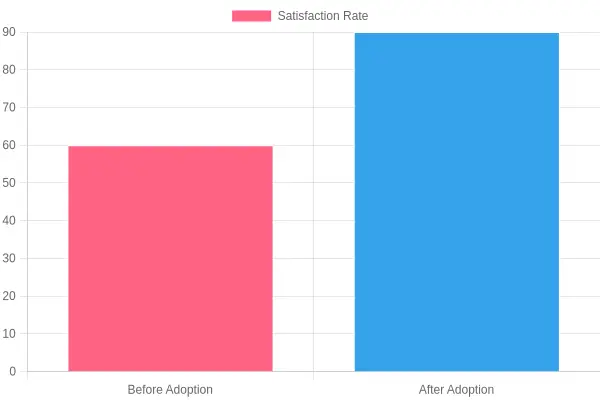
When it comes to happy home construction practices, one of the most impactful outcomes is the significant boost in user satisfaction rates. Below is a comparative chart illustrating the satisfaction rates before and after the adoption of these practices.
Satisfaction Rate Comparison Before and After Adoption
| Category | Data |
|---|---|
| Before Adoption | 60% Satisfaction Rate |
| After Adoption | 90% Satisfaction Rate |
This clear increase from a 60% satisfaction rate before adopting happy home practices to a remarkable 90% satisfaction rate afterward underscores the effectiveness of such approaches in enhancing overall customer experience. For further insights, transform your home with expert remodeling services.
This data illustrates the positive outcomes of happy home construction and reflects the growing trend of customer-centric approaches in the construction industry, making a compelling case for adoption of these practices in business strategy.
Conclusion
In conclusion, the advantages of adopting happy home construction practices are manifold for business owners. Firstly, creating environments that foster happiness not only promotes customer satisfaction but also boosts employee morale. Happy employees are typically more productive, engaged, and committed to their work, leading to improved quality in construction projects. Additionally, there is a strong correlation between customer satisfaction and brand loyalty; when clients are happy with their homes, they are more likely to recommend your services to others, enhancing your reputation in the market.
Moreover, investing in happy home construction can provide financial benefits. Many businesses today are finding that they can qualify for tax incentives and grants aimed at sustainable and community-friendly projects, ultimately reducing operational costs. As consumer demand shifts towards homes that prioritize well-being and community, businesses that align with these values stand to gain market share and attract new customers.
As we move forward, it is crucial for business owners in the construction sector to recognize the importance of happiness in their projects. By prioritizing customer and employee well-being, you do not just build homes; you create thriving communities. To take the first steps, consider exploring the essentials of remodeling services and how you can incorporate happiness into your construction practices. Embrace these principles to not only enhance your business but also enrich the lives of those you serve. Let’s transform the future of home construction together, one happy home at a time!