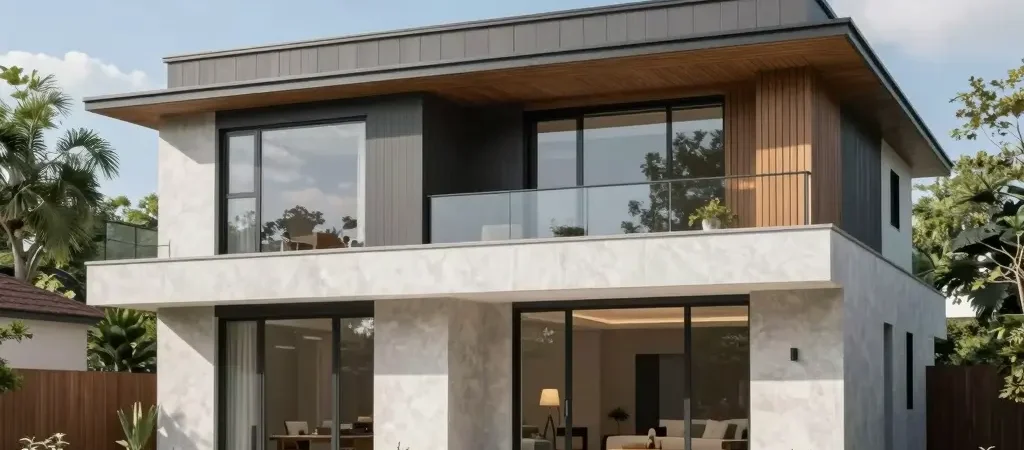
Introduction to the Luxury Home Construction Market
In recent years, the construction luxury home market has not only maintained its status but has experienced significant growth, driven by changing consumer preferences and a rising demand for high-quality living spaces. As millennials and wealthy individuals look for homes that combine opulence with sustainability, the luxury home sector presents a unique opportunity for business owners. The increasing trend toward customization, alongside innovative architectural designs, means that builders can differentiate themselves in a competitive landscape.
Business owners engaged in luxury home construction are positioned to reap substantial rewards. Not only does the market exhibit an upward trajectory, but builders also enjoy higher profit margins compared to standard residential construction. Reports indicate that new home construction is at an all-time high, fueled by investor confidence and a burgeoning desire for unique living experiences that luxury homes provide (Calgary Newsroom). Additionally, the growing inclination towards features like biophilic design has garnered attention, illustrating the potential benefits of incorporating elements that enhance human well-being, which can attract discerning buyers (BSBG). Business owners who embrace modern trends while maintaining high-quality standards can ensure they capture a lucrative slice of this dynamic market.
As the demand for luxury residences continues to flourish, now is the perfect time for entrepreneurs to dive into this niche, leveraging unique designs and consumer preferences to create stunning living spaces that appeal to upscale buyers. By aligning with current architectural trends and harnessing the potential of the luxury market, business owners can effectively transform their enterprises into profitable ventures.
Key Trends in Luxury Home Construction
The luxury home construction industry is continually evolving, reflecting both changing consumer preferences and advancements in technology. Here are five key trends that are currently shaping this sector and insights that can benefit business owners:
-
Sustainable Building Practices: Homebuyers are increasingly seeking eco-friendly options. This trend emphasizes the use of sustainable materials and energy-efficient designs, such as solar panels, which not only reduce environmental impact but also lower operating costs over time. Investing in eco-friendly practices can attract environmentally conscious clients.
-
Smart Home Technology: Incorporating advanced technology is a must. Features such as automated lighting, high-tech security systems, and climate control are becoming standard in luxury homes. This integration enhances convenience and adds a modern touch, which can significantly increase the home’s marketability.
-
Wellness Features: The emphasis on health and wellness is influencing luxury home designs. Features like dedicated spa rooms, air purification systems, and natural lighting are requested more frequently as buyers aim to create a sanctuary that promotes well-being and relaxation. This trend also opens opportunities to design spaces that cater specifically to health-focused buyers.
-
Custom and Flexible Spaces: The notion of customizable home environments is gaining traction. Many luxury homebuilders are focusing on open floor plans that allow for multi-functional spaces tailored to the homeowner’s lifestyle. This adaptability is attractive to buyers looking to invest in long-term living solutions that can evolve with their needs.
-
High-Quality Outdoor Spaces: The importance of outdoor living areas continues to grow. Luxury homes now often feature elaborate patios, outdoor kitchens, and landscaped gardens, essentially extending the living space outdoors. Crafting stunning outdoor environments can add significant value to a home and appeal to buyers looking for leisure and entertainment options.
For more insights into transforming spaces, consider exploring our ultimate guide to kitchen and bathroom renovations and home remodeling services.
| Material | Cost (Per Square Foot) | Durability | Aesthetic Appeal |
|---|---|---|---|
| Marble | $50 – $150 | High (more maintenance needed) | Elegant & timeless, varies in color veining |
| Granite | $40 – $100 | Very High | Natural beauty, unique patterns |
| Limestone | $20 – $60 | Moderate to High | Classic and rustic look, earth tones |
| Quartz | $50 – $150 | Very High | Wide variety of colors, consistent pattern |
| Steel | $15 – $30 | Very High | Modern and industrial aesthetic |
| Wood (Teak) | $20 – $50 | Moderate (with treatment) | Warm, natural feel, varies in grains |
| Concrete | $10 – $25 | High | Industrial look, can be polished or textured |
Insights:
- Marble and Granite are preferred for their luxury aesthetic but come with a higher price tag and maintenance.
- Quartz offers versatile design options while maintaining durability, ideal for busy home environments.
- Steel provides an industrial touch at a lower cost, suitable for modern designs.
- Wood, especially Teak, adds warmth but requires regular maintenance for longevity.
For more detailed insights on luxury home customization, you can learn more about remodeling services or explore expert home remodeling services.
Innovative Technologies Reshaping Luxury Home Construction
In the world of luxury home construction, innovative technologies are transforming not just the way homes are built, but also their sustainability, efficiency, and overall appeal. Understanding these technologies can significantly enhance competitiveness among businesses in this sector. Here are four key technologies making a substantial impact:
1. Sustainable Construction Methods
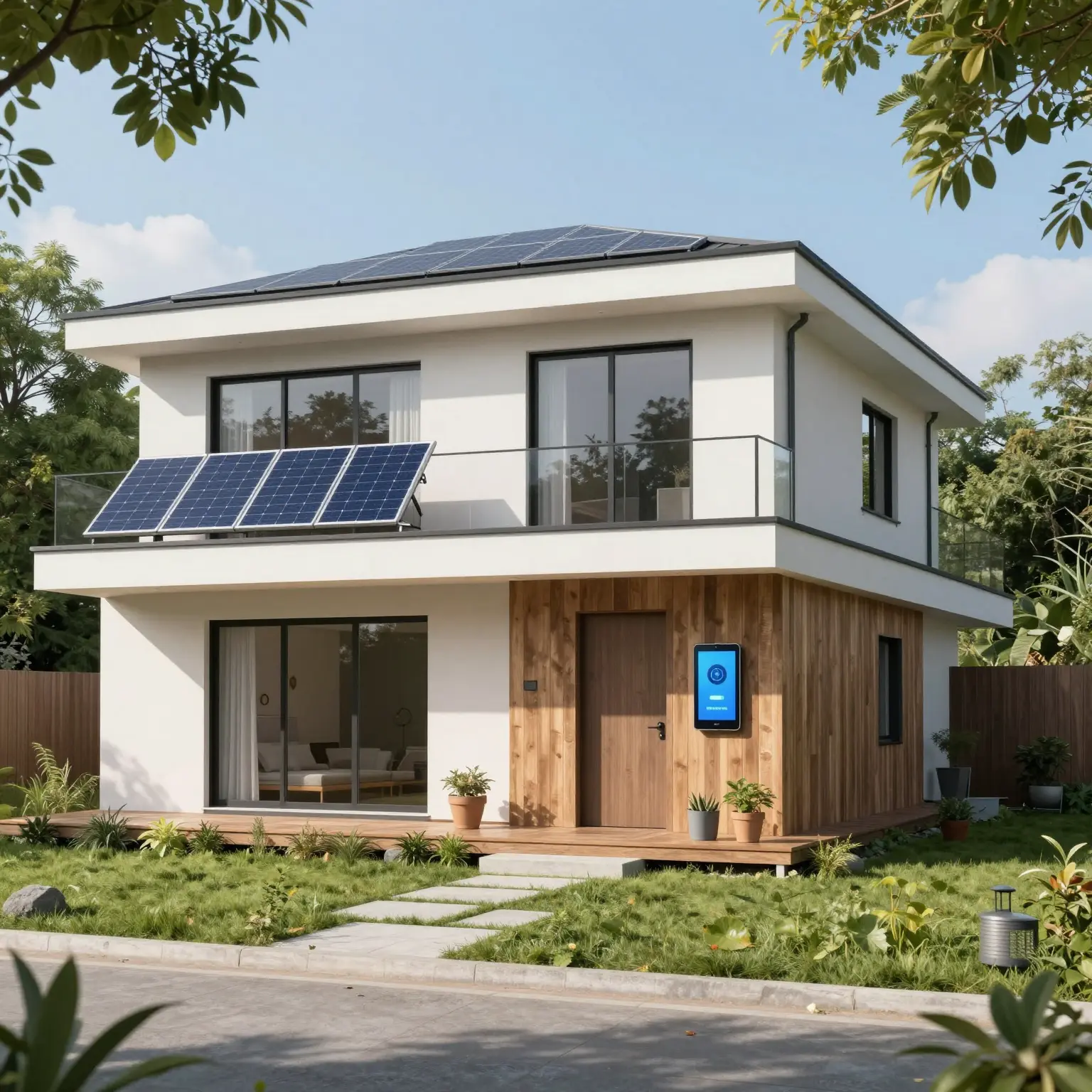
Sustainable building practices are increasingly becoming a standard expectation in luxury home construction. This involves the use of materials that minimize environmental impact, such as low-carbon concrete, recycled steel, and reclaimed wood. Additionally, luxury homes are now commonly equipped with solar panels, geothermal heating and cooling systems, rainwater harvesting systems, and energy-efficient glazing. These elements not only appeal to environmentally conscious buyers but also often qualify homes for LEED (Leadership in Energy and Environmental Design) or WELL certification, showcasing a commitment to sustainability.
2. Smart Home Technology
The integration of smart home technology has revolutionized luxury living. Homes are now built with fully integrated AI systems that manage everything from climate control to security. Innovations such as biometric security systems, 360-degree surveillance cameras, and voice-activated home management systems offer unrivaled convenience and peace of mind. Remote monitoring through mobile apps allows homeowners to stay connected and in control, and automated alerts for maintenance can lead to significant long-term savings.
3. Prefabrication Techniques
Prefabrication is gaining traction in luxury home construction, allowing for modular components to be built off-site before being transported for assembly. This technique reduces on-site labor time and waste, allowing projects to be completed up to 50% faster compared to traditional methods. Moreover, these prefabricated components include high-end finishes and can be customized to match the client’s aesthetic preferences while ensuring structural integrity.
4. 3D Printing
3D printing technology is pushing the boundaries of architectural design in luxury homes. This method allows for the on-site or off-site creation of complex structures-think custom façades or intricate architectural elements-using eco-friendly materials. By enabling unique designs quickly and at a reduced cost, 3D printing is seen as a game changer in the industry, although its applications remain more prevalent in specific structural and non-load-bearing components.
Conclusion
These innovative technologies are not just trends; they are pivotal changes in the luxury home construction landscape. By incorporating sustainable practices, smart technology, prefabrication, and 3D printing, companies can not only meet the evolving demands of buyers but also foster a competitive edge in a market that increasingly favors ingenuity and environmental responsibility.
For more insights on transforming your home with modern technologies, check out our expert home remodeling services and kitchen renovation guide.
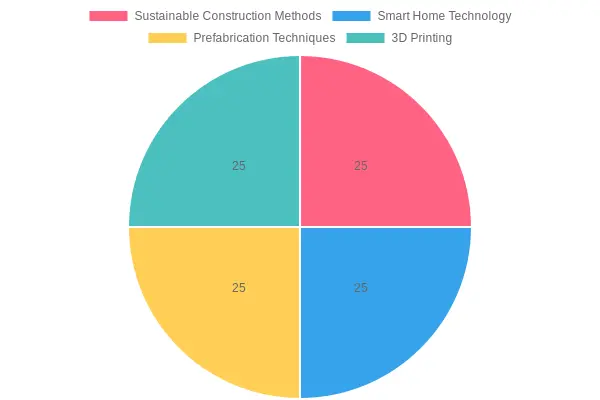
Technology Categories in Luxury Home Construction (2023)
| Technology Category | Key Features & Applications in Luxury Home Construction (2023) |
|---|---|
| Sustainable Construction Methods | Use of low-carbon concrete, recycled steel, reclaimed wood, and Insulated Concrete Forms (ICFs). Integration of solar panels and energy-efficient glazing. Emphasis on LEED or WELL certification to enhance market appeal. |
| Smart Home Technology | Fully integrated AI-driven systems for climate control, security, and entertainment. Features include biometric access and remote monitoring via mobile apps. |
| Prefabrication Techniques | Off-site modular construction that allows for faster build times and minimal waste, while providing customizable designs that maintain quality. |
| 3D Printing | On-site printing of complex architectural elements using eco-friendly materials, allowing for unique designs at a reduced cost. |
Case Study: The Luxurious Coastal Retreat
Overview
In 2023, Rudanko Construction undertook a notable luxury home project located on the picturesque coast of Hawaii. This luxury retreat was designed to provide an unparalleled living experience, blending natural beauty with modern architecture. As with any significant construction venture, this project faced a multitude of challenges that were creatively navigated to ensure success.
Project Challenges
-
Site Constraints: One of the most significant challenges was the site’s geographical constraints. The building site was located near a coastal cliff, causing concerns about soil stability and erosion, which are crucial for foundational integrity.
-
Weather Conditions: Hawaii’s tropical climate brought about unpredictable weather patterns, requiring meticulous planning to ensure work continuity and safety.
-
Luxury Standards Compliance: Meeting high-end standards and expectations for luxury finishes and materials posed both a challenge and an opportunity for innovation in construction techniques.
Solutions Implemented
1. Advanced Engineering Techniques: To address soil stability, the team employed advanced geotechnical engineering methods, including soil testing and reinforcement techniques. The implementation of deep foundations helped to secure the footprint of the house against erosion risks.
2. Weather-Resilient Materials: The selection of materials was crucial in combating the effects of moisture and saltwater. High-performance coatings and moisture-resistant finishes were utilized to ensure durability and longevity.
3. Consistent Communication and Scheduling: To manage weather impacts, a robust project management software was used, allowing for real-time scheduling adjustments and effective communication between contractors and suppliers. This approach minimized downtime and optimized workforce allocation.
Project Success Metrics
The success of this luxury home project can be demonstrated through various key performance indicators (KPIs):
| KPI Category | Specific Metric | Description |
|---|---|---|
| Time | Project Completion Time | Completed 10% ahead of the planned schedule due to efficient planning. |
| Cost | Budget Variance | Final spending was within 95% of the budget, reflecting cost control measures applied. |
| Quality | Defect Rate | The project had a low defect rate of less than 1% post-inspection. |
| Customer Satisfaction | Client Feedback Score | Achieved a score of 9 out of 10 in post-completion surveys regarding satisfaction with design. |
| Customer Satisfaction | Net Promoter Score (NPS) | An NPS of +80, indicating high likelihood of client referrals. |
Conclusion
The luxury coastal retreat constructed by Rudanko Construction stands as an exemplary case of how challenges can be effectively addressed in high-end construction projects. By prioritizing innovative solutions, strategic planning, and unwavering commitment to quality, the project was not only completed successfully but also exceeded client expectations. For business owners looking to embark on similar luxury home projects, this case exemplifies the importance of adaptive techniques and robust management practices to ensure project success. To explore more about home construction excellence, check out our guide on expert remodeling services and the essentials of remodeling services.
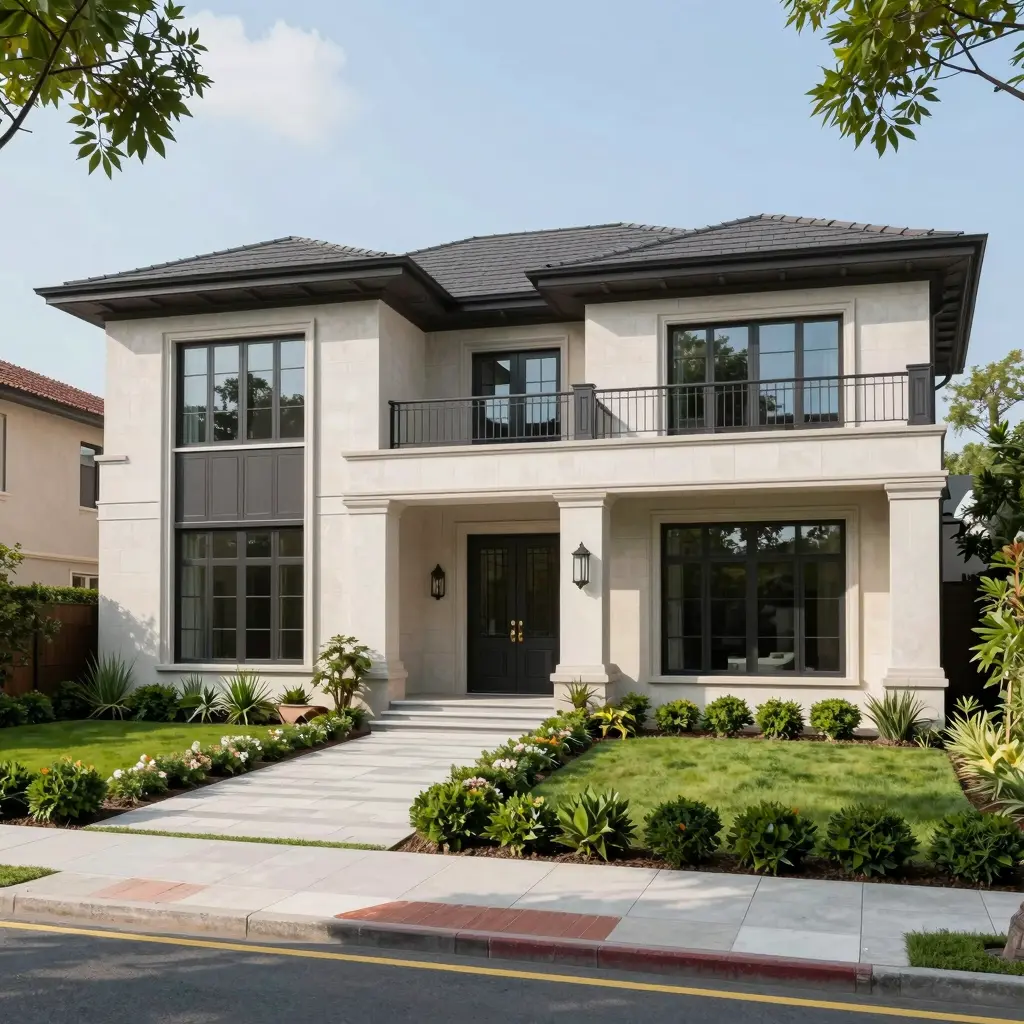
Chart: Construction Project KPI Metrics
Expert Insights on the Future of Luxury Home Building
Luxury home building is undergoing significant transformations as trends evolve and consumer preferences shift towards sustainability and functionality. According to industry experts, here are some anticipated trends shaping the future of luxury homes:
“In the coming years, luxury homes will not just be about opulence but will also focus on integrating sustainable practices and technologies. We’re seeing a considerable interest in high-performance materials and smart home technologies that enhance living experiences while minimizing environmental impact.”
Key Trends to Watch for in 2025:
- Sustainable Materials: The use of reclaimed wood, bamboo, and eco-friendly materials will become more prominent as homeowners seek to minimize their environmental footprint without sacrificing luxury.
- Smart Home Technology: Integration of intelligent home systems like climate control, automated lighting, and security features will become standard in luxury homes.
- Adaptable Layouts: Homes will emphasize flexible spaces that transition smoothly from formal to casual environments, catering to diverse lifestyles.
- Biophilic Design: Incorporating natural elements to promote wellness will be a focal point, featuring large windows for scenic views and indoor plants.
As we move closer to 2025, these insights will guide those involved in luxury home construction to meet the evolving expectations of discerning buyers. For more on remodeling and renovations, you can learn more about remodeling services and explore how these trends can be incorporated into various projects.
Conclusion
In conclusion, the luxury home construction market presents a wealth of opportunities for business owners ready to innovate and adapt to the evolving demands of discerning clients. As we have explored throughout this article, the trends in luxury homes are not just about opulence but also revolve around sustainability and smart technology. Current insights point towards a significant demand for energy-efficient designs, spacious open layouts that harmonize with nature, and the integration of high-tech features that elevate the living experience.
As an example, resources from CLT Recruiters highlight how today’s luxury buyers are increasingly leaning towards minimalist yet sophisticated designs, underscoring the need for custom home builders to adapt quickly. Moreover, innovations such as solar energy systems and biophilic design are crucial not only for attracting potential homeowners but also for meeting modern environmental standards.
Business owners who choose to focus on these aspects can distinguish themselves in a highly competitive market. Engaging in continued education about trends will allow construction companies to offer designs that resonate with their clientele, ultimately leading to increased sales and project inquiries.
For those ready to take the next step and capitalize on these lucrative opportunities, it’s essential to harness the right tools and knowledge. Whether that’s through improving your design ethos, enhancing your project management capabilities, or aligning with eco-friendly practices, each choice can help solidify your position in the luxury sector.
Start now by exploring additional resources like our articles on transforming your home environment to fully leverage this exciting market era. The future of luxury home construction looks bright, and with the right strategies, your business can thrive in this prosperous landscape.
The Economic Impact of Luxury Home Construction on Local Economies
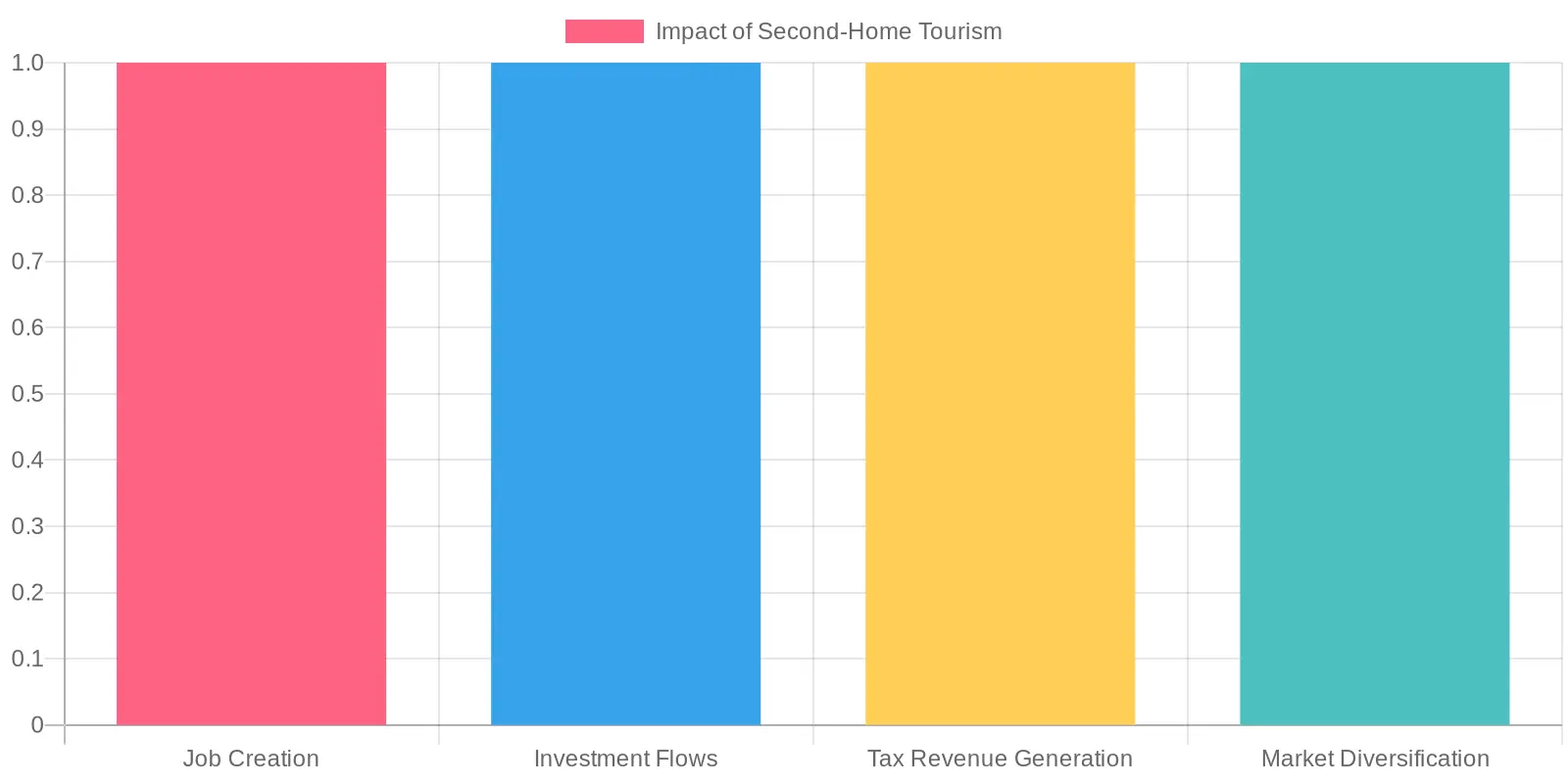
Luxury home construction has emerged as a vital contributor to local economies, influencing job creation, investment flows, and tax revenues. As business owners, understanding these impacts can help provide insight into how thriving luxury housing markets can steer economic growth within communities.
Job Creation and Employment
One of the most significant impacts of luxury home construction is its role in job creation. According to a study published in the Scandinavian Journal of Hospitality & Tourism, luxury homes driven by second-home tourism generate a substantial number of jobs in the construction sector. The correlation between the number of second homes and the jobs created in local construction industries indicates that affluent homeowners actively contribute to employment opportunities.
- Statistic: The construction sector experienced positive job growth, particularly in areas with high levels of second-home investment.
- Source: Scandinavian Journal of Hospitality & Tourism
Investment Flows
Luxury home construction often leads to significant investment inflows from urban centers to rural areas. Wealthy investors frequently seek bucolic second homes, directing vast sums of capital into local construction projects. This trend does not only bolster local economies but also revitalizes communities that may be struggling economically.
- Statistic: There are observable net flows of investments from urban to peripheral regions, fueling local businesses and stimulating construction activities.
- Source: Scandinavian Journal of Hospitality & Tourism
Tax Revenue Generation
Increased luxury home development enhances local tax revenues in several ways, including property taxes and sales taxes from construction materials. While specific numbers on revenue generation from these projects are often undisclosed, the overall influx of wealth suggests that local governments benefit substantially from luxury home investments. This increase can be particularly crucial for smaller municipalities, helping fund public services and infrastructure.
- Key Insight: Strong correlations suggest that areas with more luxury homes see improved community services through enhanced tax revenues.
Market Diversification
Luxury home construction can lead to greater economic diversification in local economies. Many rural areas reliant on agriculture or traditional industries welcome this diversification as it delivers stability against market fluctuations. The introduction of luxury properties encourages the growth of diverse services, from hospitality to retail, fostering a more resilient economic landscape.
- Market Trend: This diversification not only caters to wealthy homeowners but also supports local service industries, making towns more attractive destinations.
- Source: Scandinavian Journal of Hospitality & Tourism
Visualizing the Impact
To further illustrate the significant impacts of luxury home construction, refer to the following chart that outlines the major economic benefits associated with second-home tourism:
Conclusion
In conclusion, luxury home construction is not merely an aesthetic contribution to communities-its economic ramifications can be profound. From job creation to increased tax revenues and diversification, these developments hold the potential to invigorate local economies. As business owners, recognizing these dynamics within the luxury market can enhance strategic planning and foster growth opportunities. For more insights on transforming homes and spaces, learn more about remodeling services and how these projects contribute to local prosperity.
Luxury Home Market Growth: Trends and Projections
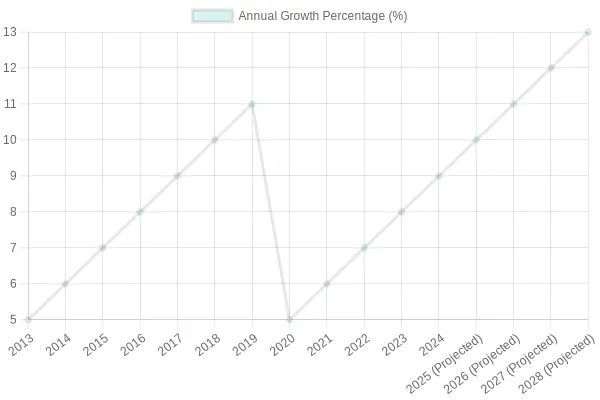
The luxury home market has witnessed significant growth over the past decade. The following chart illustrates the annual growth percentage from 2013 to 2028, which helps in visualizing the trends and future projections:
| Year | Annual Growth Percentage (%) |
|---|---|
| 2013 | 5 |
| 2014 | 6 |
| 2015 | 7 |
| 2016 | 8 |
| 2017 | 9 |
| 2018 | 10 |
| 2019 | 11 |
| 2020 | 5 |
| 2021 | 6 |
| 2022 | 7 |
| 2023 | 8 |
| 2024 | 9 |
| 2025 (Projected) | 10 |
| 2026 (Projected) | 11 |
| 2027 (Projected) | 12 |
| 2028 (Projected) | 13 |
Key Insights from 2023
- Demand Surge in India: India’s luxury housing segment saw a dramatic 115% increase in sales from January to September 2023, indicating strong demand.
- Market Dynamics in the U.S.: A report by RE Luxe Leaders emphasizes ongoing trends for affluent buyers in the U.S., showcasing sales performance in major luxury real estate markets.
- Challenges in Fraser Valley: In December 2023, Fraser Valley noted its lowest annual sales due to high interest rates affecting luxury home prices and volume.
The luxury home market continues to show resilience and growth potential, adapting to the evolving demands of affluent buyers and economic fluctuations.