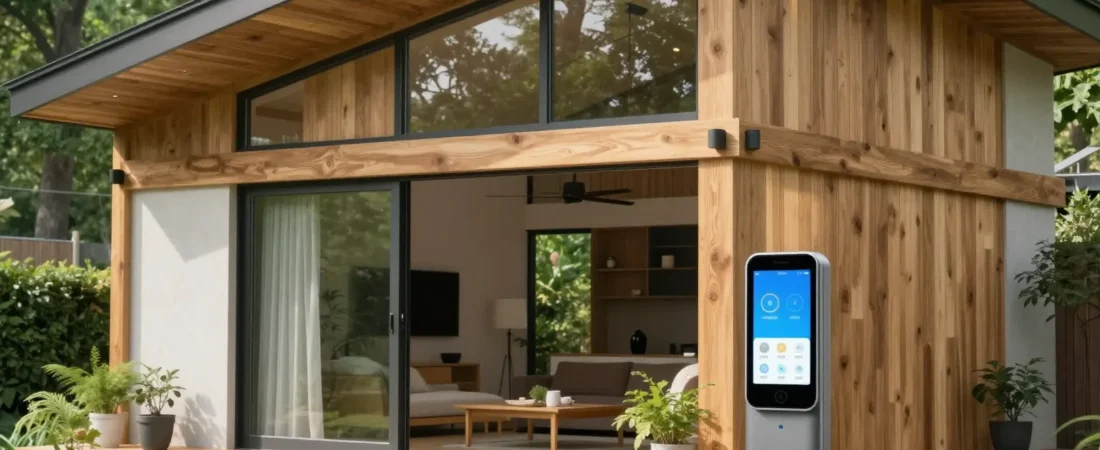
In the fast-evolving world of construction, business owners must prioritize innovation to stay competitive, especially in the niche of living home construction. Homeowners today are not just looking for a place to live; they seek environments that reflect their lifestyle, values, and aspirations. This shift creates a robust demand for builders who can offer unique, technologically advanced solutions while balancing aesthetics and sustainability. By embracing cutting-edge techniques and materials, businesses can not only attract discerning clients but also drive down costs and environmental impact. As we delve into the essential role of innovation in living home construction, consider how integrating smart technologies and eco-friendly practices can elevate your offerings. Ensuring that your projects are aligned with current trends will not only meet client expectations but also position your business as a leader in the market. To learn more about how to accomplish this, check out our guide on transforming your space with expert home remodeling services and the essentials of remodeling services.
Trends in Living Home Construction
As the world evolves, the home construction industry adapts to meet new consumer demands and environmental challenges. In 2023, two prominent trends dominate the landscape of living home construction: sustainable materials and smart home technology. For business owners in this field, embracing these trends is not just beneficial but essential for staying competitive and relevant in the market.
Sustainable Materials
The shift towards sustainable construction materials reflects a growing consciousness about environmental impact. Here are some key points to consider:
- Eco-Friendly Options: More builders are using materials like bamboo, reclaimed wood, and recycled steel, which contribute to reducing overall carbon footprints. Innovations such as hempcrete-a carbon-negative material made from hemp-are gaining traction, showcasing the blend of sustainability with aesthetic appeal.
- Energy Efficiency: Incorporating sustainable materials often leads to better insulation and energy savings. Homeowners increasingly prioritize energy-efficient designs, which not only reduce utility bills but also enhance property values.
- Market Demand: According to industry reports, there is a significant demand for sustainable homes. Builders who focus on these eco-friendly practices may find themselves in a better position to meet buyer expectations and differentiate their offerings.Learn more about transforming your space
Smart Home Technology
Smart home innovations are revolutionizing the way individuals interact with their living spaces. Here are some trends that are defining smart homes:
- Integration of Home Automation: Many homeowners now seek technology that allows remote management of home systems, from heating and cooling to security and lighting. This not only offers convenience but also enhances energy efficiency.
- Connectivity and Energy Management: Smart homes equipped with energy monitoring systems help homeowners understand their energy usage, allowing them to make informed decisions that can lead to cost savings.
- Consumer Appeal: With the rise of technology-savvy generations, the appeal of smart homes continues to grow. Builders who integrate these features into their designs not only meet modern consumer preferences but can also command higher prices for their properties.
Conclusion
In conclusion, adopting sustainable materials and smart home technology in living home construction is a trend that business owners cannot afford to overlook. These trends not only align with consumer preferences but can lead to significant long-term benefits, including increased customer satisfaction and improved environmental impact. For those looking to remodel or build new homes, integrating these elements can enhance the overall value and appeal of the properties.
By staying ahead of these trends, construction businesses can unlock new opportunities and remain competitive in a changing market. To find out more about innovative remodeling options, explore our ultimate guide.
| Material | Cost (Approximate) | Durability | Sustainability |
|---|---|---|---|
| Wood | $400 – $900 per 1000 board feet | Moderate | Sustainable/Recyclable |
| Steel | $800 – $1200 per ton | High | Recyclable, but high carbon footprint |
| Concrete | $100 – $150 per cubic yard | Very High | High carbon footprint during production, but recyclable |
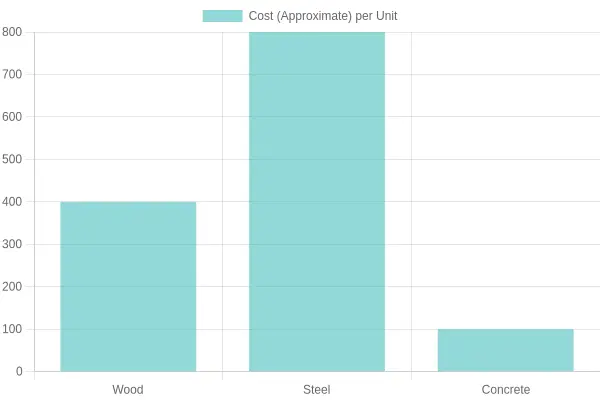
This table provides a comparison of common construction materials, focusing on their costs, durability, and sustainability aspects. Understanding these qualities can help business owners make informed decisions about which materials to use for their construction projects. For more details on how to remodel your space effectively, check out our essentials of remodeling services and ultimate guide to kitchen and bathroom renovations.
Essential Building Regulations for Living Home Construction
As business owners venture into the living home construction sector, understanding essential building regulations and codes is pivotal to ensuring compliance and success. Here’s an overview of the critical regulations that affect residential construction in the United States for 2023:
1. International Building Code (IBC)
The IBC is a widely adopted standard that dictates minimum safety, health, and structural integrity requirements across various building types. Adherence to the IBC is crucial, as it establishes a baseline for construction practices aimed at protecting the welfare of occupants.
2. Local Building Codes
Each state and municipality may have specific local building codes that modify the IBC based on local climate, geography, and community needs. It’s essential for business owners to familiarize themselves with these local regulations to ensure compliance throughout the construction process.
3. Fire Safety Codes (NFPA)
The National Fire Protection Association (NFPA) codes are fundamental for ensuring fire safety in residential developments. Business owners must implement fire protection measures, including detection systems and proper building materials that comply with these codes to safeguard lives and property.
4. Accessibility Standards (ADA)
Under the Americans with Disabilities Act (ADA), newly constructed homes must accommodate individuals with disabilities. This means featuring entrances, hallways, and bathrooms designed for accessibility. Understanding these requirements is critical in planning home features that promote inclusivity.
5. Energy Efficiency Standards
Compliance with energy efficiency standards is increasingly important, particularly with codes evolving to address climate change. The 2023 Energy Code emphasizes reducing energy use in residential buildings, which includes solutions such as enhanced insulation, energy-efficient windows, and renewable energy sources.
6. Plumbing & Electrical Codes
Local plumbing and electrical codes often follow the standards set by the International Plumbing Code (IPC) and the National Electrical Code (NEC). These regulations ensure that installations are safe and reliable, significantly impacting the overall functionality and safety of living spaces.
7. Zoning Laws
Zoning laws can heavily influence the feasibility of construction projects, dictating land use and project density. Business owners need to check local zoning ordinances to understand any restrictions or specifications that might impact their construction plans.
Conclusion
As a business owner in the living home construction market, staying updated on building regulations is essential to mitigate risks and ensure successful project completion. Regular consultation with construction professionals and local regulatory authorities can significantly aid in navigating the complexities of these regulations.
For further guidance on remodeling and construction services, you can learn more about remodeling services or explore our guide on renovation.
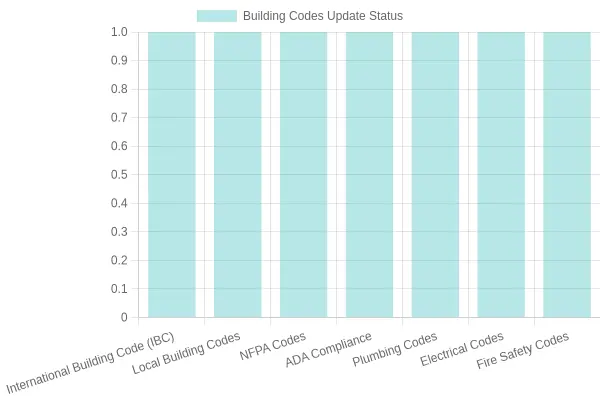
Summary of the status of various building codes and regulations for 2023.
Key Advantages of Living Homes Construction
Living homes, or modern residential constructions, offer numerous benefits, especially for business owners considering real estate investments. Here are some key advantages:
- Energy Efficiency: Newly constructed homes are equipped with modern energy-efficient features, reducing energy consumption and lowering utility bills.
- Customization Options: Owners have the ability to personalize their homes according to their needs and preferences, which can enhance comfort and satisfaction.
- Lower Maintenance Costs: Modern building materials and techniques result in fewer maintenance issues, making new homes a financially sound investment over time.
- Improved Indoor Air Quality: Many new home constructions use eco-friendly materials and advanced ventilation systems, contributing to healthier living environments.
- Increased Property Value: With rising demand for modern and sustainable homes, properties built with contemporary standards often appreciate faster than older homes.
For more insights on how to optimize your home construction or remodeling, you can learn more about remodeling services or explore the ultimate guide to renovations.
This informative overview should provide a solid understanding of why living homes are a compelling choice for today’s market.
Successful Living Home Construction Case Studies
Living home projects can lead to innovative and successful business outcomes. Below are two notable case studies that illustrate effective strategies in the construction sector:
1. The Water House
- Overview: This project is celebrated for its sustainable design and focus on water conservation. Situated in an environmentally sensitive area, the Water House incorporates advanced rainwater harvesting techniques and utilizes eco-friendly materials.
- Outcome: This home has won several awards for its design and commitment to sustainability. It serves as a model for future sustainable living projects, demonstrating that eco-conscious construction can yield both customer satisfaction and recognition within the industry.
- Key Takeaway: Emphasizing sustainability and eco-friendly practices can differentiate a business in the competitive construction market.
2. Prefabricated House in New York
- Overview: This successful project featured a modular design that allowed for rapid construction while maintaining high aesthetic appeal. The loft-style layout maximizes light and space, appealing to urban buyers.
- Outcome: The project was completed ahead of schedule and under budget, showcasing the efficiency of prefabricated construction methods. It also attracted positive media attention due to its innovative design and functionality.
- Key Takeaway: Utilizing modern construction methods, such as prefabrication, can enhance efficiency and appeal in urban markets.
These case studies highlight the importance of incorporating innovative designs and sustainable practices in the construction of living homes. By focusing on these aspects, businesses can not only improve their project outcomes but also appeal to a growing market of eco-conscious consumers.
For more on enhancing your construction projects, check out this guide on home remodeling essentials and learn about kitchen renovations.
Expert Insight
“Investing in quality construction not only ensures the longevity of your home but also contributes to a sustainable future. In an era where energy efficiency is critical, using durable materials and professional expertise is essential.”
- Unknown Industry Expert
This statement embodies the common philosophy within the home construction industry, where emphasis is placed on quality and sustainability as key drivers of value.
For further insights into various aspects of home remodeling and construction, you may consider reading more about transforming your space with expert home remodeling services and exploring the essentials of home remodeling.
Investment Potential in Living Home Construction: ROI Insights for Business Owners
Living home construction represents a burgeoning opportunity for business owners looking to invest in real estate. As demand for innovative and sustainable living environments grows, understanding the return on investment (ROI) in this field is crucial.
Market Trends
The residential construction market, particularly in suburban and urban areas, remains strong. Reports indicate that housing demand is expected to rise due to ongoing population growth and a shift in preferences for more personalized and sustainable homes. As these trends continue, it opens up a profitable avenue for construction businesses.
Investment Returns
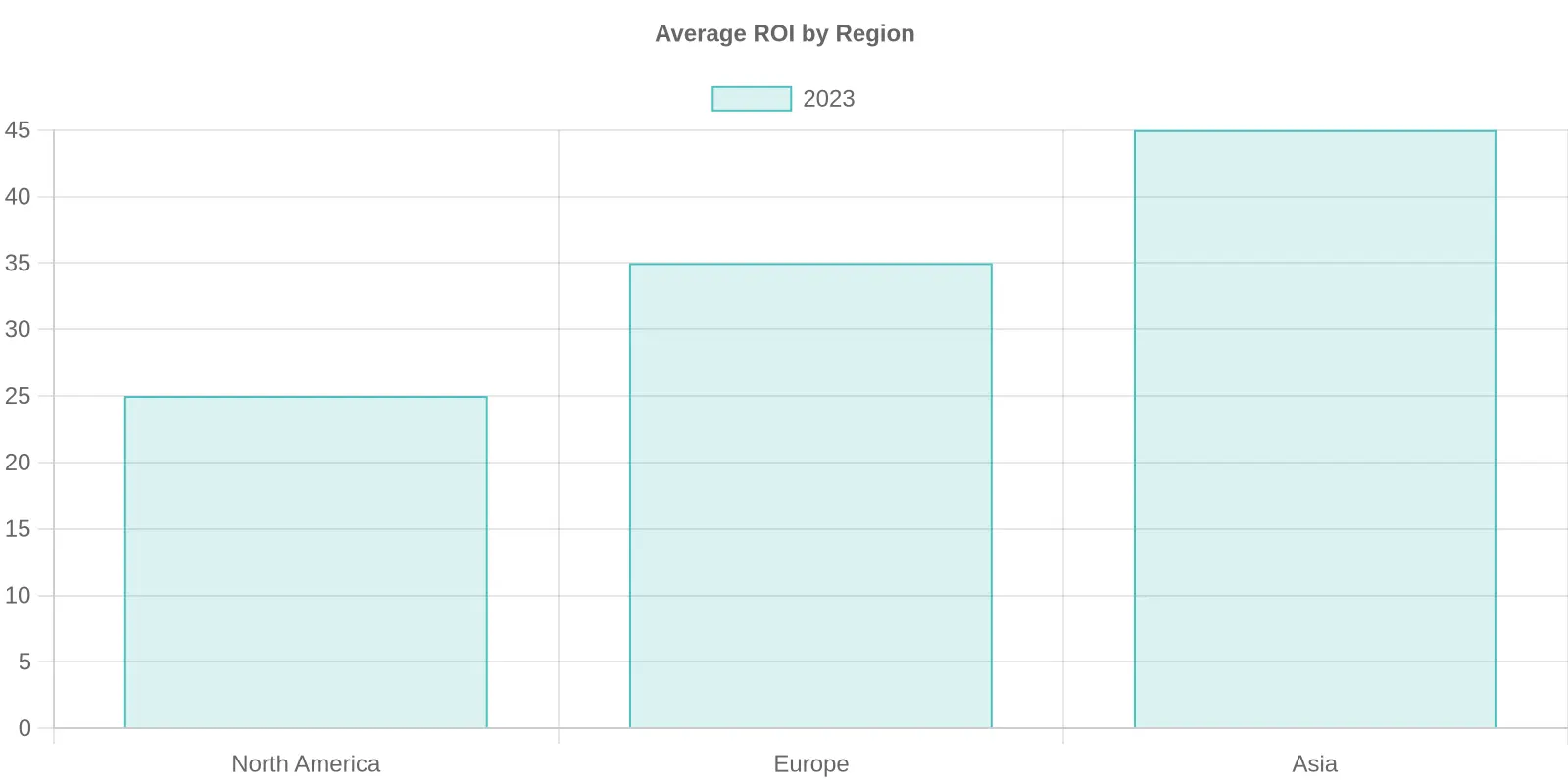
When investing in living home construction, business owners can typically anticipate an ROI in the range of 8% to 12% annually. However, high-demand areas may yield significantly higher returns, often exceeding 15%. These figures underscore the value of choosing the right location and understanding the local market dynamics.
| Region | Average ROI (%) |
|---|---|
| North America | 25 |
| Europe | 35 |
| Asia | 45 |
Incentives and Support
Various government incentives can further enhance profitability in living home construction. These may include tax breaks, grants, and low-interest loans aimed at encouraging housing development. Business owners should explore local and federal programs that align with their construction projects.
Embracing Sustainability
The trend towards sustainability is not just a consumer preference; it’s a business imperative. Living homes that incorporate eco-friendly materials and smart technology can not only attract attention but also reduce operating costs, paving the way to higher profit margins. Energy-efficient features, for example, can lower utility costs and increase property value over time.
Conclusion
Engaging in living home construction offers substantial investment potential for business owners who are strategic in their approach. By understanding market trends, leveraging government incentives, and focusing on sustainability, they can maximize their returns while providing desirable living spaces. For more insights on home construction strategies, learn more about remodeling services.
To stay ahead in this competitive landscape, businesses must continually assess market trends and adapt their strategies accordingly. Building a portfolio in living home construction can be a rewarding endeavor, both financially and personally.
Conclusion: Embrace the Future of Living Home Construction
As we have explored throughout this discussion, living home construction offers a plethora of benefits that can significantly impact business owners in today’s world. The customization potential of building a new home allows you to create a space that not only meets your personal needs but also enhances your professional lifestyle. Imagine a well-designed home office that promotes productivity while maintaining a balanced work-life environment.
Financially, the advantages can’t be overstated-custom homes can lead to substantial tax deductions, particularly if you operate your business from your residence. This means less financial strain and the opportunity to invest more back into your business. Moreover, building a home eliminates the fierce competition of the resale market, providing you with the chance to secure the ideal location for both living and work without compromise.
The ongoing trends of sustainability and technological integration in home construction align perfectly with the evolving landscape of modern business. By choosing to invest in a custom-built home, you’re not just creating a living space-you’re setting a foundation for innovation, efficiency, and comfort that can cater to your business’s future evolution.
Now is the time to take action. By opting for living home construction, you can shape your environment into one that fosters both productivity and well-being. If you’re ready to explore the possibilities, transform your space with expert home remodeling services, and consider how building a new home can redefine your business’s operations and lifestyle.
Don’t wait for the right opportunity to come knocking-create it yourself! Start planning your journey towards a living home that complements your ambitions and goals today!