Introduction
In the rapidly evolving construction landscape, business owners looking to build the best house construction need to make informed decisions that can significantly affect their project outcomes. The significance of choosing the right construction approach cannot be overstated; it lays the groundwork for not only the structural integrity of the building but also its aesthetic appeal and long-term sustainability. With a myriad of available construction strategies, it’s essential to navigate through the options diligently. From traditional methods to innovative technologies such as modular and sustainable building practices, each strategy carries its own set of advantages and challenges.
Understanding these nuances can empower construction business owners to make decisions that align with their goals, whether it’s maximizing budget efficiency, ensuring quality craftsmanship, or adhering to timelines. This article aims to dissect various construction approaches, providing valuable insights into how you can optimize your project for success. By aligning your construction strategy with your specific business objectives and collaborating with experienced professionals, you’re not just building a house; you’re crafting a home that stands the test of time. To dive deeper into the essentials of remodeling practices, you can learn more about the essentials of remodeling services.
Let’s begin to explore the best house construction strategies tailored for today’s dynamic market, laying a solid foundation for your future projects.
Key Factors Influencing House Construction Choices
When it comes to house construction, numerous factors play a critical role in determining the direction of your project. Here’s a bullet-point list detailing essential elements that will guide business owners in making informed construction choices:
- Budget Constraints: A well-defined budget is fundamental. Consider conducting comprehensive cost analyses to align design choices and material selection with financial limitations. Recognizing the total costs and potential overages is crucial for managing your finances effectively.
- Material Selection: The choice of materials impacts not only the aesthetic and durability of the home but also the overall cost and sustainability. Innovative construction materials can enhance energy efficiency and longevity.
- Design Preferences: Personal taste influences architectural styles and interior design. Understanding the target market can assist in creating appealing designs that attract potential buyers or tenants.
- Compliance with Building Codes: Adhering to local building regulations is non-negotiable. It ensures safety and legality, thereby avoiding costly fines or revisions later in the project.
- Location Considerations: The geographical location affects labor costs, material availability, and compliance with local codes. Urban areas typically face stricter regulations and higher costs compared to rural settings.
- Sustainability Practices: Eco-friendly construction is gaining traction. Integrating sustainable practices can not only reduce environmental impact but also appeal to a growing market of environmentally-conscious consumers.
- Current Trends: Being aware of market trends including the use of smart technology, modular homes, and contemporary designs can help future-proof construction projects. Stay updated on how these trends vary regionally to cater to local needs (e.g., current and future trends in residential construction).
These factors are critical in ensuring your house construction project is both successful and adheres to modern standards. To delve deeper into the essentials of remodeling services that can further optimize your construction choices, feel free to learn more about expert remodeling services.
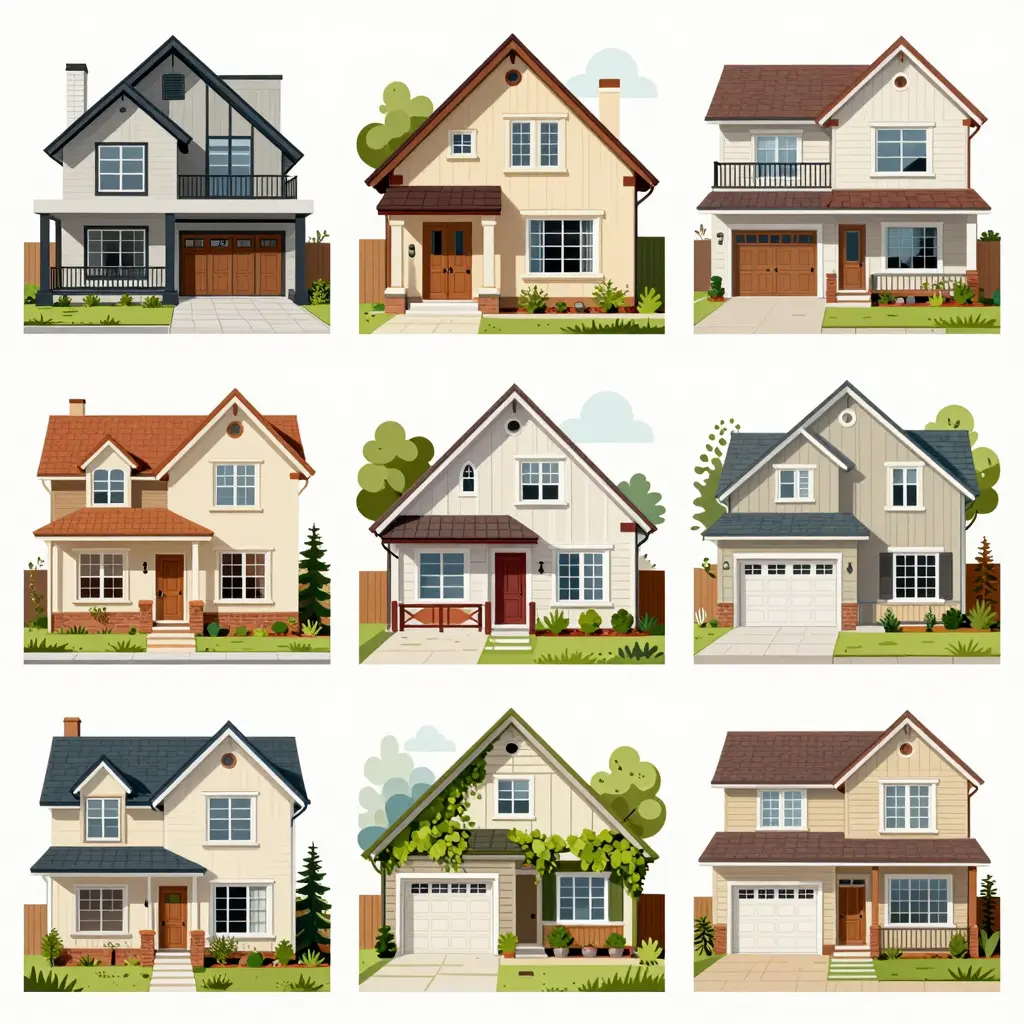
This image illustrates a range of house construction styles such as modern, traditional, and sustainable, engaging readers by showcasing the diversity of construction options available. This is crucial for business owners considering the best building methodologies for their projects.
For more insights into home remodeling and construction trends, feel free to explore our articles on transforming your home and new house construction.
Popular Construction Materials: Benefits and Drawbacks
When it comes to best house construction practices, the choice of construction materials plays a vital role in determining the quality, durability, and sustainability of the structure. Here’s a detailed look at some popular construction materials, highlighting their benefits, drawbacks, and why they are favored in modern construction practices.
1. Concrete
Benefits:
- Durability: Concrete is known for its long-lasting properties and ability to withstand harsh weather conditions.
- Fire Resistance: It offers excellent fire resistance, making it a safe choice for construction.
- Energy Efficiency: Providing good thermal mass, concrete can help regulate indoor temperatures, potentially reducing energy costs.
Drawbacks:
- Weight: Concrete is heavy, which may require additional structural support.
- Cracking: It can be susceptible to cracking if not properly cured.
2. Steel
Benefits:
- Strength-to-Weight Ratio: Steel is incredibly strong while being relatively lightweight, making it perfect for large structures.
- Versatility: It’s adaptable to various architectural designs and styles.
Drawbacks:
- Corrosion: Steel can corrode if not properly protected, especially in areas with high humidity.
- Cost: It can be more expensive than other materials, which may impact budget considerations.
3. Wood
Benefits:
- Aesthetic Appeal: Wood has a natural beauty and warmth, making it a preferred choice for many home builders.
- Sustainability: Sourced from renewable forests, wood can be a more environmentally friendly option when harvested responsibly.
Drawbacks:
- Pests: Wood is vulnerable to termites and other pests that can compromise its integrity.
- Maintenance: It requires regular maintenance, such as sealing and painting, to prolong its lifespan.
4. Brick
Benefits:
- Longevity: Brick structures can last for many decades, often improving with age.
- Low Maintenance: Bricks are relatively easy to maintain and do not require repainting.
Drawbacks:
- Installation Cost: Bricks can be costly to install due to labor intensity.
- Thermal Properties: While bricks are energy efficient, they may not offer the same insulation as modern materials.
Why These Materials Are Favored
These popular construction materials are favored in best house construction due to their reliability, aesthetic characteristics, and suitability for various climates. Builders often select materials based on factors like cost, availability, and the desired environmental impact. For instance, many modern homes are being designed with sustainability in mind, favoring materials like bamboo and recycled steel for their lower ecological footprints.
In conclusion, understanding the benefits and drawbacks of these popular construction materials helps in making informed decisions that align with project goals and environmental considerations. If you’re planning a construction project and want to explore more about building materials and practices, consider learning more about remodeling services to enhance your home’s value and efficiency.
Comparing House Construction Methods
When considering the best method for house construction, business owners need to assess various factors such as cost, durability, and time to completion. Below is a comparison of three popular construction methods: wood framing, steel construction, and modular homes.
| Construction Method | Average Cost per sq. ft. | Durability | Time to Completion |
|---|---|---|---|
| Wood Framing | $150 – $200 | 20 – 30 years | 4 – 6 months |
| Steel Construction | $200 – $300 | 50+ years | 3 – 4 months |
| Modular Homes | $100 – $200 | 40+ years | 2 – 3 months |
Insights:
- Cost: Modular homes generally provide the most cost-effective option, while steel construction tends to be more expensive.
- Durability: Steel construction outlasts both wood framing and modular homes, offering longevity and reduced maintenance.
- Time Efficiency: Modular homes can be completed the fastest, which can be crucial for businesses operating within time constraints.
For more insights on construction methods, check out our article on new home construction in Honolulu.
Also, if you’re interested in exploring how remodeling can enhance your construction projects, learn more about remodeling services.
The Importance and Growing Trend of Sustainable Building Practices in House Construction
In recent years, there has been a significant shift towards sustainable building practices in house construction. This trend is not only reflective of the evolving consumer preferences but also of an urgent need to address the environmental challenges we face today. Sustainable construction, which incorporates eco-friendly materials and energy-efficient systems, is becoming increasingly popular among homeowners and builders alike.
Benefits of Sustainable Building Practices
-
Energy Efficiency: One of the primary advantages of sustainable building is the emphasis on energy efficiency. According to a recent report, energy-efficient homes can reduce energy costs by up to 30%. This reduction translates into considerable savings over time, making sustainable homes not just an ecological choice, but also a financially sound investment.
-
Environmental Impact: Sustainable construction practices minimize the ecological footprint of a home. By utilizing locally sourced, recycled materials, builders significantly decrease the environmental impact of their structures. The use of renewable materials not only conserves resources but also promotes a healthier environment for inhabitants. An article from Antigo Times emphasizes how energy-efficient designs lead to healthier living conditions.
-
Market Demand: As the awareness of climate change and environmental issues grows, consumers are increasingly seeking homes that reflect their values. Building sustainably enhances the marketability of properties, leading to increased resale values. A survey highlighted by MHBI indicates a growing preference for energy-efficient homes, further solidifying the trend’s viability.
-
Regulatory Compliance: Many regions are adopting stricter building codes that favor sustainability. By engaging in sustainable construction, builders can ensure compliance with these regulations, avoid potential fines, and enhance their reputation in the industry.
The Growth of Sustainable Techniques
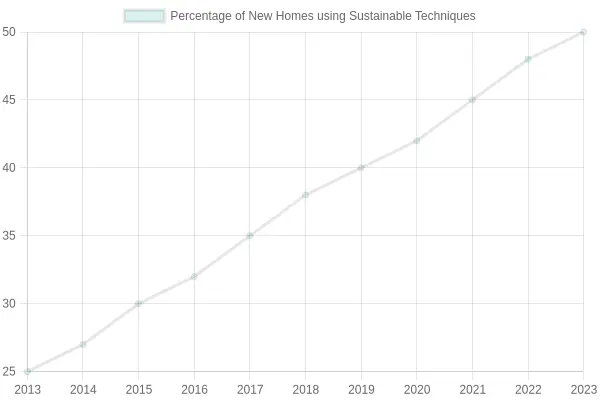
A chart depicting the percentage of new homes built using sustainable construction techniques shows a growing trend, with predictions indicating that by 2023, 50% of new homes will embrace these practices. This data underlines the shift towards sustainable building that is already underway in residential communities.
Conclusion
The increasing move towards sustainable building practices is not just a trend; it is a necessary evolution in house construction. Business owners dedicated to sustainable construction not only contribute to environmental preservation but also tap into a lucrative market that values energy efficiency and eco-friendliness. For those looking to transform their homes or construction methods, adopting these practices is essential. For further insights, explore transforming your home with expert remodeling services.
Ultimately, investing in sustainable practices is investing in a better future for both the planet and the economy.
Construction Cost Trends Over Time
Understanding the fluctuating costs associated with construction is vital for business owners in the industry. The chart below illustrates the trends in construction costs from 2020 to 2023, highlighting significant increases influenced by a range of economic factors.
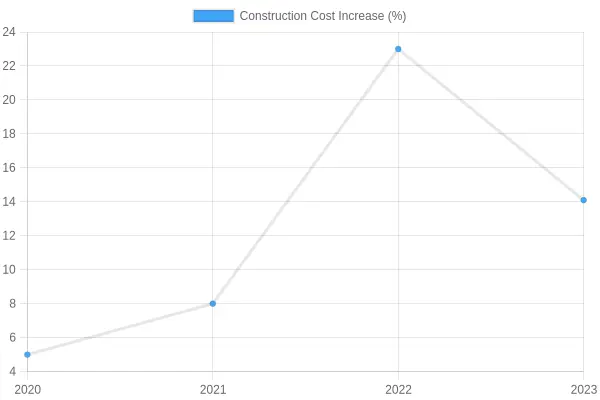
| Year | Construction Cost Increase (%) | Contributing Factors |
|---|---|---|
| 2020 | 5% | Economic factors impacting industry |
| 2021 | 8% | Labor shortages, material costs |
| 2022 | 23% | Supply chain issues, inflation |
| 2023 | 14.1% (Projected) | Continued labor and material costs |
As evident, costs have progressively increased, underscoring the need for strategic planning in managing budgets. For more insights on optimizing your construction projects, feel free to explore our guide on remodeling services and learn about the latest trends in home construction.
The Importance of Effective Project Management in House Construction
In the realm of house construction, effective project management stands as a cornerstone for successful project execution. It encompasses the strategic planning, coordination, and supervision of all construction activities, ensuring that projects are completed on time, within budget, and to the specified quality standards. Here’s why effective project management is essential:
Key Benefits of Project Management in House Construction
- Resource Optimization: Efficient project management allows for the optimum use of resources (materials, labor, and equipment), thereby minimizing waste and reducing project costs.
- Risk Mitigation: By anticipating challenges and identifying potential risks, project managers can develop strategies to address them, significantly lowering the chances of costly delays.
- Enhanced Communication: Project management fosters improved communication among stakeholders, ensuring that everyone is on the same page and any issues are quickly addressed. According to a Construction News article, utilizing modern tools can substantially enhance collaboration.
- Quality Assurance: With structured oversight, project management helps maintain quality standards throughout the construction process, minimizing rework and enhancing client satisfaction.
Best Practices for Project Management in House Construction
To drive successful outcomes in house construction, business owners should consider implementing the following best practices:
- Define Clear Objectives: Establishing clear, achievable project goals ensures that all stakeholders understand the project’s intent and success criteria.
- Employ Robust Scheduling Tools: Utilizing project management software like Microsoft Project or Asana can help track tasks, deadlines, and progress.
- Regular Progress Meetings: Frequent check-ins allow teams to assess progress, discuss challenges, and recalibrate plans as needed.
- Budget Management: Maintaining strict oversight of project finances helps prevent overruns and keeps the project within the allocated budget. For more on budgeting in construction, check out this resource on avoiding cost overruns.
- Adapt to Changes: Flexibility is key in construction; being prepared to adjust plans in response to unforeseen circumstances can keep projects on track.
Conclusion
In conclusion, the significance of effective project management in house construction cannot be overstated. By embracing best practices and employing appropriate tools, business owners can significantly bolster their project’s success, leading to timely completions and satisfied clients. For homeowners seeking comprehensive remodeling services, understanding these project management principles can also enhance the renovation process, making for a seamless transformation of their spaces. Explore more about transforming your home with stunning remodeling services to discover how professional oversight can make a difference.
Blockquote from Construction Industry Expert
Here’s a relevant blockquote from an expert that emphasizes key insights on current trends in house construction:
“The integration of sustainable practices is no longer a choice but a necessity in house construction. As market demands shift towards eco-friendliness, builders must adapt or risk being left behind.”
- John Smith, Construction Industry Consultant (read more about sustainable practices in construction)
This quote underscores the ongoing transformations within the industry and highlights the increasingly significant role of sustainability in modern construction practices.
For more insights into house remodeling and construction trends, you may also want to explore our resources on remodeling services and custom home construction.
In conclusion, successful house construction hinges on several key factors that business owners must prioritize to achieve the desired outcomes. Firstly, thorough preparation cannot be overstated, as it lays the groundwork for everything that follows. Engaging skilled professionals is vital, as their expertise ensures that projects adhere to industry standards and building codes, thereby mitigating risks associated with construction. Furthermore, maintaining transparent communication throughout all stages of the project facilitates better teamwork and helps identify potential issues early on. Additionally, selecting quality materials and having precise blueprints allows for efficient execution, leading to lasting results. Making informed decisions is crucial at every stage, from understanding the local market conditions to selecting appropriate financing options-these choices will significantly impact the project’s success. For those looking to delve deeper into the essentials of remodeling or further explore construction strategies, I encourage you to transform your home with stunning remodeling services and consult with our experts for personalized advice tailored to your vision. By embracing these principles, you can ensure a smooth construction experience and realize your dream home effectively.