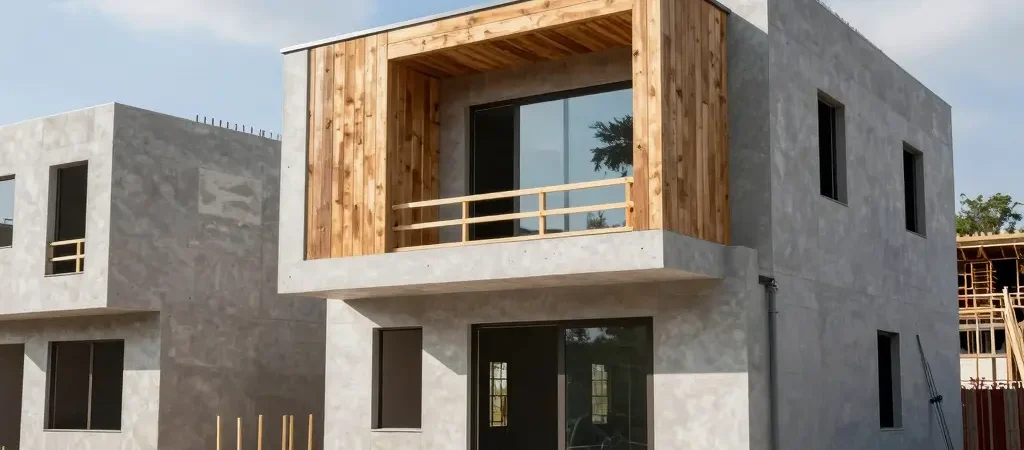
Introduction to New House Construction
In today’s competitive real estate market, new house construction presents a wealth of opportunities for business owners looking to invest in property development. As urban areas continue to grow and demand for residential spaces increases, understanding current market trends becomes crucial for making informed investments. Whether you’re a seasoned developer or a newcomer to the field, recognizing the signs of potential growth and pinpointing the right locations for new construction can significantly impact your success.
Investing in new residential projects not only diversifies your portfolio but also offers the chance to meet the evolving needs of modern homeowners. Trends such as sustainability, smart home technology, and innovative design elements are influencing buyer preferences, making it essential for investors to stay ahead of the curve. The growth potential in new construction is immense-especially in regions that are witnessing a population influx or urban revitalization, like Honolulu and Oahu.
By knowing where to focus your efforts and understanding the factors driving demand in the housing market, you can position yourself to capitalize on lucrative development prospects. For more insight on making smart investments in home spaces, feel free to explore our guide on luxury home remodeling or dive into innovative trends in residential construction. In conclusion, new house construction is not just about building structures; it’s about creating lasting value for your investments and contributing to community growth.
Key Benefits of New House Construction for Business Owners
Constructing a new house presents several advantages for business owners, offering both immediate and long-term benefits. Here are five key benefits:
-
Investment Potential: New homes often appreciate in value over time, making them a wise investment. According to a study, properties in prime locations can see significant appreciation, providing lucrative returns for investors. Learn more about investment potential.
-
Customization Options: Business owners can fully customize their new home to meet specific needs, preferences, and branding strategies. This can help create a unique living or working environment that reflects their brand identity.
-
Energy Efficiency: New homes can be built with modern energy-efficient technologies. For example, California has mandated solar systems for new homes, which significantly reduce energy consumption and may lower utility costs by around $80 a month after considering increased mortgage payments. Discover advancements in energy efficiency.
-
Lower Maintenance Costs: A new home typically requires less maintenance compared to older properties, which can lead to reduced expenses over time. This allows business owners to allocate more resources to other business needs.
-
Tax Incentives: Some regions offer tax incentives for new home construction, including credits for energy-efficient upgrades. Business owners can take advantage of these benefits, enhancing the overall financial viability of their investment.
In conclusion, new house construction can be a strategic move for business owners, enhancing property value, reducing operational costs, and providing a platform for creativity and energy efficiency.
Comparing Construction Materials for New House Construction
Choosing the right construction materials is crucial for business owners in building and renovation projects. Below is a detailed comparison of popular construction materials-wood, concrete, and steel-based on their durability, cost, and sustainability factors.
| Material | Durability (Lifespan) | Cost (per square foot) | Sustainability |
|---|---|---|---|
| Wood | 50-70 years | $2 – $6 | Renewable, carbon sequestering, recyclable |
| Concrete | 100+ years | $4 – $8 | High carbon footprint, innovative low-carbon options emerging |
| Steel | 50-100 years (with maintenance) | $6 – $12 | Highly recyclable (90% recycled), energy-intensive production |
Insights for Business Owners
- Wood is the most cost-effective option for framing, offering good durability in residential and light commercial settings. Its sustainability credentials are strong, making it an excellent choice for environmentally conscious projects.
- Concrete is unmatched in durability, especially for foundations and load-bearing structures. However, its initial cost is higher, and it has a significant carbon footprint unless low-carbon alternatives are used.
- Steel provides exceptional strength and flexibility but comes at the highest cost. Its sustainability is enhanced through recycling, although its production remains a concern.
For further insights regarding sustainable remodeling options, check our guide on remodeling services and home renovations.
Current Market Trends in New House Construction
The new house construction market is witnessing significant changes due to various factors, notably rising costs and a heightened demand for sustainable practices. These trends have profound implications for business decisions in the construction industry.
Rising Costs
In 2023, the global construction sector faced unprecedented cost increases, with materials like steel and cement experiencing notable price surges due to inflation and ongoing supply chain disruptions. Reports indicate that:
- Construction costs rose by 17.3% this year, exacerbated by inflation and the lingering effects of the COVID-19 pandemic.
- The U.S. construction market exhibited an 11% growth in output in 2022; however, rising production costs, particularly for key materials, resulted in increased expenses for new home constructions.
- In New Zealand, housing construction costs escalated by an astonishing 10% year-on-year, largely attributed to acute labor shortages and rising material prices.
| Category | 2023 Data (vs. Previous Years) | Source |
|----------|---------------------------------|--------|
| Global Construction Cost Trends | Material prices continued to rise, with 37% of firms using contract safeguards against fluctuations, up from 29% in 2021. | [2023 Annual Global Construction Survey](https://www.pwc.com/gx/en/industries/construction-projects/publications/2023-global-construction-survey.html) |
| US Building Materials Market | Despite an 11% growth output, rising costs significantly affected construction expenses. | [USGS: Building Materials Market Outlook 2026](https://www.usgs.gov/programs/energy-and-minerals/building-materials-market-outlook) |
| New Zealand Housing Costs | Experienced a record 10% increase driven by material prices. | [CoreLogic Report, October 31, 2023](https://www.corelogic.com.au/research/housing-market-insights) |
| China Construction Costs | Average residential building construction cost ranges from **800 to 5,000 RMB/m²**. Labor and material costs rose significantly. | [House Construction Cost Analysis, 2026 Update](https://www.buildcostinfo.com.cn/analysis-2026) |
These rising costs significantly affect the feasibility and pricing strategies for new home construction projects. Contractors must implement cost-effective solutions and consider adjusted pricing models to remain competitive and profitable.
Demand for Sustainable Practices
Simultaneously, there is an increasing consumer demand for sustainable building practices. The global market for sustainable construction is projected to grow from $440.6 billion in 2023 to $480.1 billion by 2024, driven by several factors:
- Adoption of smart building technologies.
- Focus on lifecycle carbon reduction and investment in sustainable materials.
- Growing consumer preference for environmentally friendly homes, particularly among younger generations.
- Incentives and regulations from governments promoting eco-friendly construction practices.
| Year | Global Market Size (USD Billion) | Key Trends & Drivers | Source |
|------|-----------------------------------|---------------------|--------|
| 2021 | $374.8                            | Increased regulatory pressure and energy costs. | [Research and Markets](https://www.researchandmarkets.com/reports/5296054/global-sustainable-building-market) |
| 2022 | $405.2                            | Growth in green building certifications. | [Grand View Research](https://www.grandviewresearch.com/industry-analysis/sustainable-construction-market) |
| 2023 | $440.6                            | Adoption of smart technologies and sustainable materials. | [Markets and Markets](https://www.marketsandmarkets.com/Market-Reports/sustainable-construction-market-3378.html) |
| 2024 (Projected) | $480.1                     | Demand from millennials for eco-friendly homes. | [Fortune Business Insights](https://www.fortunebusinessinsights.com/sustainable-construction-market-100248) |
The trend towards sustainability not only drives housing designs but also facilitates businesses’ adaptation strategies, including the integration of more sustainable practices within their operations.
Conclusion
These market trends are reshaping the landscape of new house construction, imposing challenges, and offering opportunities. Business decisions in this sector will increasingly revolve around mitigating costs while embracing sustainable practices that cater to a discerning consumer base. Companies that can navigate these complexities effectively are likely to prosper in the evolving marketplace.
User Adoption Data of Energy-Efficient Homes in 2023
In recent years, the trend toward energy-efficient homes has gained traction as consumers become more aware of the environmental and economic benefits associated with sustainable building practices. Below are some crucial statistics and trends reflecting the adoption of energy-efficient homes in 2023:
Key Statistics:
- Recognition of Energy Efficiency Value: According to a survey by the National Association of Realtors (NAR), 63% of real estate agents believe that promoting energy efficiency adds value to home sales. This underscores the growing market demand for energy-efficient residences.
- Solar Energy Adoption: The cumulative solar energy installations in the U.S. reached approximately 1.61 million kW in 2023, demonstrating a significant shift toward renewable energy sources in home construction. Solar energy’s increasing presence illustrates a broader trend toward integrating sustainable technologies in new homes.
- Energy Consumption Reduction: Newly constructed homes consume 55% less energy compared to existing homes. This notable reduction emphasizes the efficiency improvements being incorporated into modern builds, contributing to lower utility bills and a smaller carbon footprint.
- Growth of Energy Management Solutions: The residential energy management market is expected to expand rapidly, with a projected growth rate of about 19.3% annually from 2026 to 2035. This highlights the increasing integration of smart technologies in energy-efficient homes.
Adoption Rates in Housing:
| Adoption Category | Rate (%) | Source |
|---|---|---|
| Real Estate Agents Recognizing Value | 63% | NAR, 2023 |
| Solar Energy Installations | 1.61 million kW | U.S. Department of Energy, 2023 |
| Energy Savings (New vs. Existing) | 55% less energy | EIA, 2023 |
| Growth in Energy Management Market | 19.3% CAGR | Grand View Research, 2023 |
Conclusion
The data indicates a robust trend in favor of energy-efficient homes, supported by increased awareness among real estate professionals and consumers alike. The integration of renewable energy sources, alongside smarter management solutions, positions these homes as key players in the future of sustainable building practices. To learn more about transforming your home with eco-friendly technologies, you can check out our services for home construction.
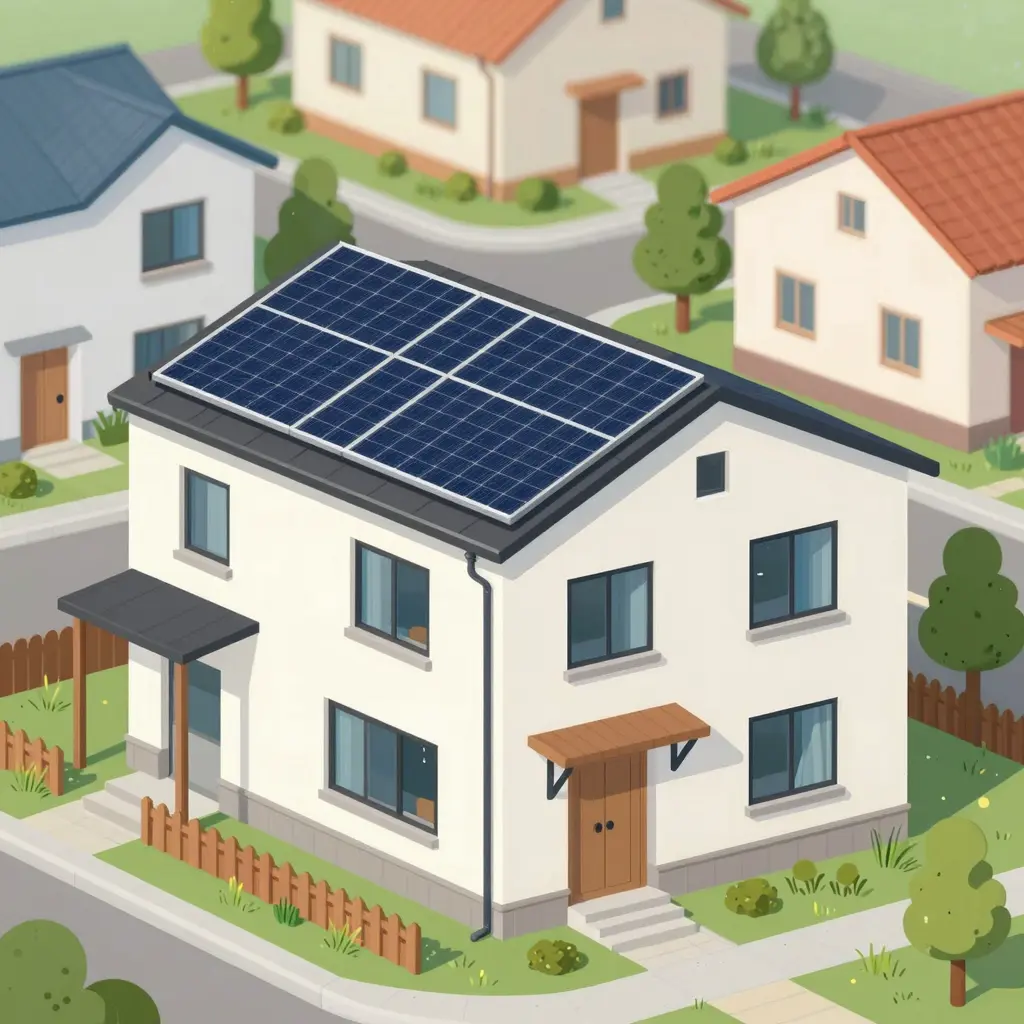
Illustration of an energy-efficient home showcasing solar panels and eco-friendly materials.
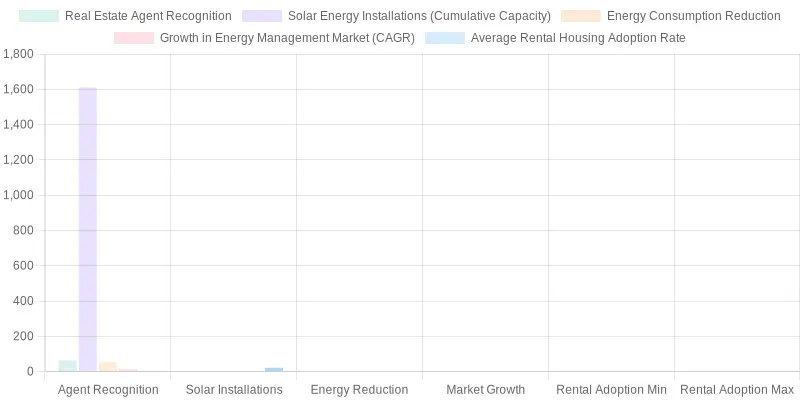
Graph showing adoption trends of energy-efficient homes.
For further insights into home remodeling and energy-efficient technologies, see our remodeling services.
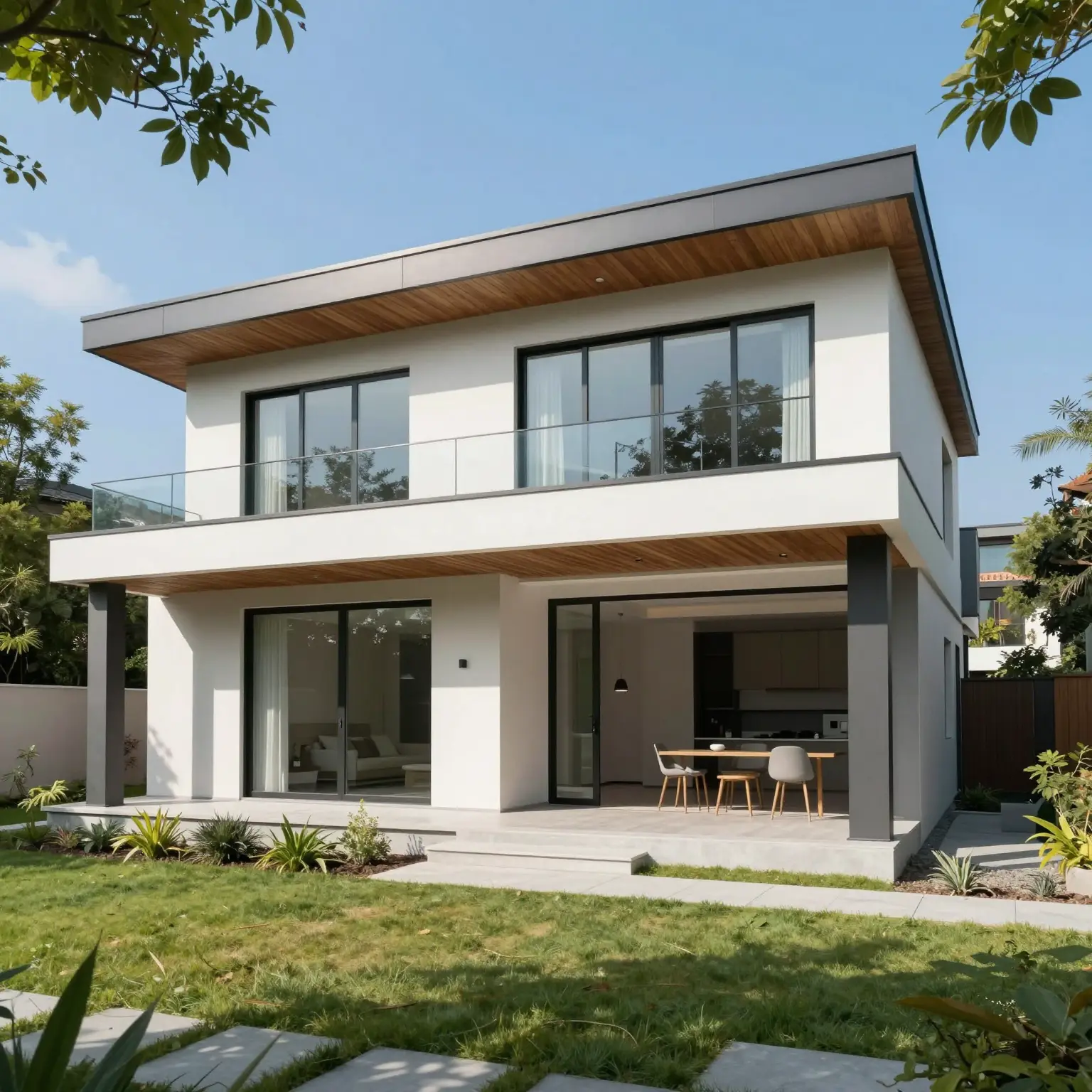
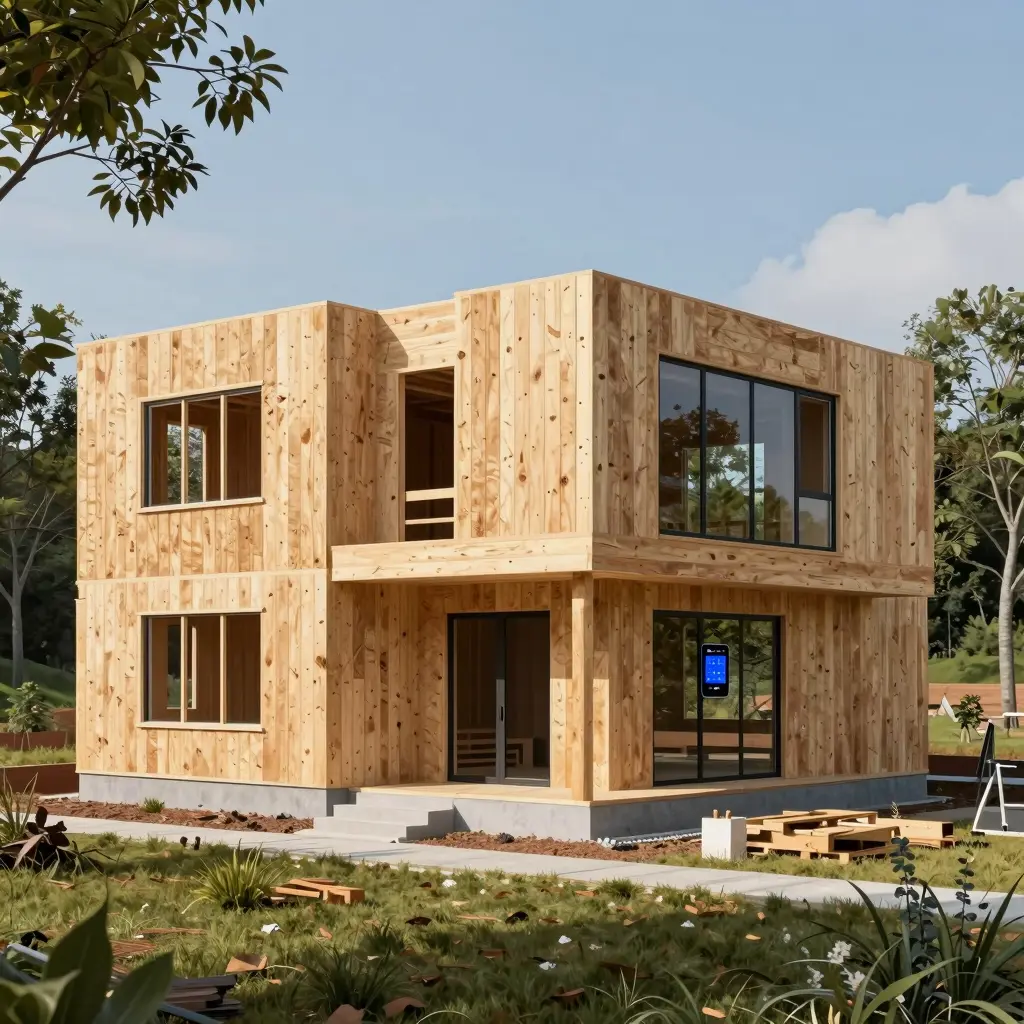
This image illustrates a modern new house that showcases contemporary architectural styles, which can be an inspiring visual for those interested in new house construction.
To explore more about remodeling and transformation services, check out our guides on Kitchen and Bathroom Renovations and Expert Home Remodeling Services.
Case Study: The Transformation of Modern House Construction
Overview
In recent years, the construction industry has seen a significant shift towards modern techniques and materials that not only enhance the efficiency of building homes but also contribute to sustainability and aesthetic appeal. This case study highlights a successful new house construction project that embodies these advancements, demonstrating the benefits and lessons learned along the way.
Project Details
The project in focus is a contemporary family home located in Oahu, Hawaii. Utilizing modern construction methods such as cross-laminated timber (CLT) and insulated concrete forms (ICFs), this home was completed within six months-a significant reduction from traditional timelines. The use of smart glass windows helped in optimizing energy efficiency, reducing heating and cooling costs while maximizing natural light.
Advantages of Modern Techniques and Materials
- Speed and Efficiency: The use of modular components like ICFs allowed for fast assembly and rigorous quality control, reducing labor costs and on-site construction time.
- Sustainability: CLT is sourced from sustainably managed forests, making it an eco-friendly framing option. This project also incorporated recycled materials, affirming its commitment to environmental sustainability.
- Enhanced Durability: Materials like self-healing concrete and high-performance insulation systems increase the lifespan of the structures and minimize maintenance costs, offering long-term savings.
- Energy Efficiency: Advanced materials such as photovoltaic roofing tiles and smart glass integration significantly reduced the house’s overall energy consumption, appealing to environmentally conscious buyers.
Lessons Learned
- Prioritize Planning: Thorough planning and strong project management are crucial when integrating new technologies. Ensure all team members understand modern materials and methods to prevent delays.
- Invest in Training: Continuous training for workers on the latest construction technologies can enhance overall project execution and safety.
- Collaboration with Suppliers: Building strong relationships with material suppliers can ensure timely deliveries and access to cutting-edge materials and insights into their proper use.
Key Takeaways for Business Owners
Business owners looking to stay competitive should consider the following:
- Adopt Modern Techniques: Embrace modern construction methods to improve efficiency and reduce costs.
- Focus on Sustainability: Utilizing sustainable materials can attract a broader clientele and promote a positive brand image.
- Stay Current with Trends: Keeping abreast of industry trends and new materials can give an edge over competitors and satisfy the growing consumer demand for energy-efficient homes.
Conclusion
The Oahu construction case serves as an inspiring example of how modern techniques and materials can create beautiful, functional homes while promoting sustainability. For business owners in the construction industry, this project underscores the importance of adopting innovative practices and continuously evolving to meet market demands. By investing in advanced materials and technologies, builders can enhance their operational efficiency and create homes that are not only environmentally friendly but also economically viable.
For those interested in transforming their spaces effectively, learn more about home remodeling services.
Financing Options for House Construction
When considering new house construction, business owners have several financing options available, each with its benefits and drawbacks. Here’s an overview of the most common options to help guide your decision-making process.
1. Bank Loans
- Pros:
- Customizable terms and conditions.
- Long repayment periods can ease monthly burdens.
- Can fund large projects.
- Cons:
- Stricter qualification criteria.
- Longer approval times.
- Heavy documentation is often required.
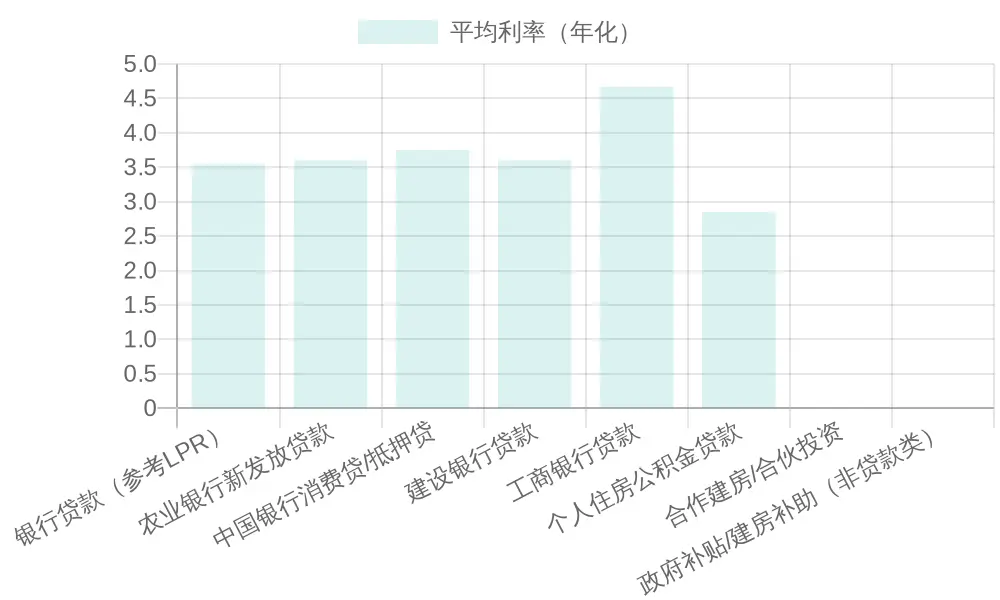
Despite the challenges, bank loans remain a popular choice for their reliability. Based on current data for 2023, average interest rates for bank loans range from 3.45% to 4.30% depending on the type and duration of the loan.
2. Government Grants and Subsidies
- Pros:
- Does not require repayment.
- Can significantly reduce initial capital outlay.
- Often aimed at specific community needs (e.g., affordable housing).
- Cons:
- Limited availability and often highly competitive.
- Strict eligibility requirements.
- May require lengthy application processes.
Grants can be a great way to fund your construction without adding to your debt load, but getting them is not always straightforward.
3. Partnerships
- Pros:
- Shared financial burden reduces individual risk.
- Potential for more resources and expertise combined.
- Cons:
- Complications can arise from shared decision-making.
- Disputes over profit-sharing and responsibilities may occur.
Forming a partnership can be beneficial, allowing multiple owners to pool resources. However, it requires careful negotiation and trust among partners.
4. Private Financing
- Pros:
- Easier access compared to traditional banks.
- Potentially quicker approval times.
- Cons:
- Often comes with higher interest rates.
- Terms can be less favorable than bank loans.
Private loans can facilitate rapid funding in some situations but at a higher cost.
5. Home Equity Loans
- Pros:
- Generally lower interest rates since it’s secured against an existing property.
- Flexible use of funds.
- Cons:
- Risk of losing your home if unable to repay.
- Limited to those who already own property with equity.
Home equity loans can leverage existing investments but involve personal risk.
Comparison of Financing Options
Here is a summary of the various financing options with their average rates:
Conclusion
Selecting the right financing option ultimately depends on your specific needs, financial situation, and the planned scale of your construction project. Consider consulting with a financial advisor to assess your circumstances better before making a decision. For more information on home remodeling and upgrades that can increase property value, learn more about our remodeling services.
Construction Cost Trends Over the Last Decade
Understanding the trends in construction costs is crucial for business owners in the construction industry. Over the last decade, from 2013 to 2023, construction costs have demonstrated a significant upward trajectory, primarily due to several impacting factors:
- Material Price Fluctuations: The cost of raw materials has seen substantial volatility, influencing overall construction expenses.
- Labor Shortages: A shortage in skilled labor has led to increased hiring costs and project delays, adding to the financial burden.
- Evolving Technology: Implementation of new technologies in construction processes often requires substantial initial investment, which can elevate project costs.
Construction Cost Trends Chart
To visualize these trends, the following chart illustrates the construction cost index from 2013 to 2023, showing an approximate 45% increase over this period.
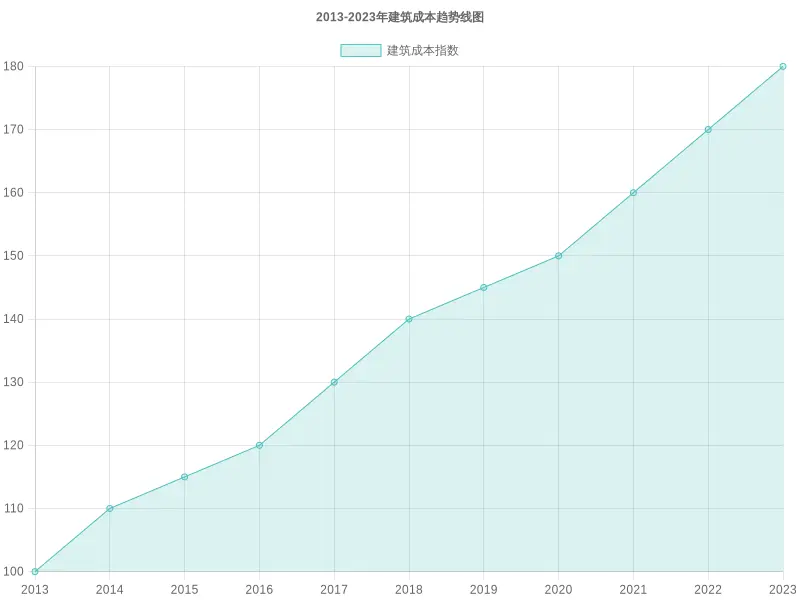
This chart shows key years within the decade, marking various fluctuations and overall increases in construction costs. Business owners should take these trends into account when planning and budgeting for future projects.
For further insights, feel free to learn more about home remodeling essentials or discover expert remodeling services.
Conclusion and Call to Action
The world of new house construction presents a unique investment opportunity that savvy business owners should not overlook. With the real estate market evolving rapidly amid challenges such as fluctuating interest rates and rising material costs, the focus on more efficient, innovative building methods like modular and prefabricated homes is growing. As reported by McKinsey & Company, agile strategies and technology-driven solutions are shaping the future of home building, emphasizing investment in sustainability, energy efficiency, and long-term value.
Investing in new home construction not only promises potential financial stability but also aligns with modern lifestyle demands, including low maintenance needs and smart home capabilities. New homes are designed to meet the latest energy efficiency standards, offering significant operational savings over time. For business owners, the benefits extend far beyond mere investment; a new build can serve as a personal residence, an office space, or a rental property, diversifying and strengthening their investment portfolios. More importantly, properties constructed today can appreciate at a higher rate-up to 25% more than older models-according to recent analyses.
In conclusion, if you are a business owner considering ways to invest in your future, new house construction could be the answer. Explore our services at Rudenko Construction and discover how your vision can come to life with exceptional quality and innovation. Let’s build the future together!