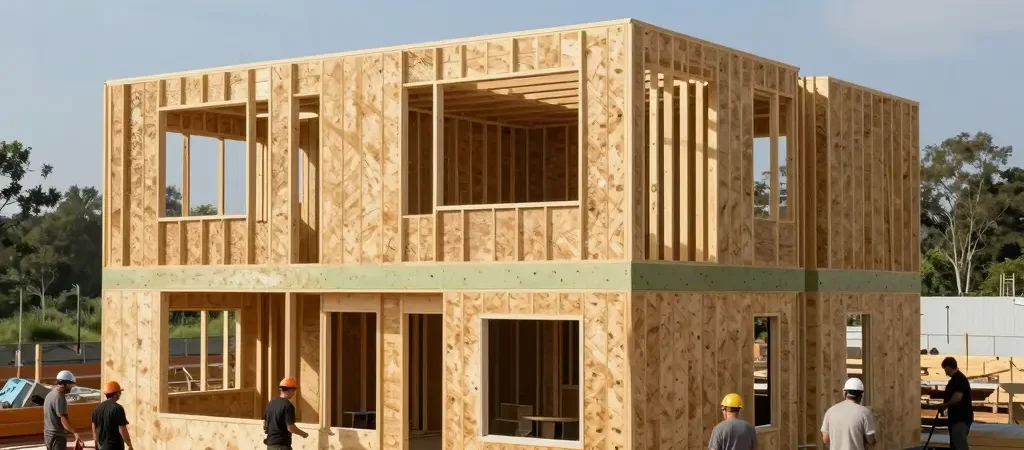
Introduction to Prefab Home Construction
In today’s rapidly evolving construction landscape, prefab homes have emerged as a revolutionary solution that is transforming the way we think about housing. With the rise in demand for sustainable living and cost-effective building practices, these factory-built homes offer business owners a unique opportunity to engage in a growing market that emphasizes efficiency, affordability, and innovation. Imagine a home that can be constructed in a fraction of the time compared to traditional methods, while also significantly reducing waste and labor costs. As we delve into the benefits of prefab homes, we will explore their rising popularity, the technological advancements that enable faster construction timelines, and how these attributes can positively impact business strategies in the construction sector. From better budget allocations to enhanced customer satisfaction, prefab construction represents not just a passing trend but a substantial shift towards a more efficient future in home building. Business owners who adapt to this wave of change stand to gain not only a competitive edge but also contribute to a more sustainable environment. As we highlight the key points in this article, you will discover why incorporating prefab technologies can be a game-changer for your business. Learn more about essential remodeling services and how they can relate to prefab constructions, ensuring you stay ahead in the industry.
Types of Prefab Homes: A Detailed Overview
Prefabricated homes, commonly known as prefab homes, offer various construction methods, each with unique features, benefits, and applications for business needs. The three primary types of prefab homes are modular, panelized, and manufactured homes. Here’s an insightful look into each type:
1. Modular Homes
Modular homes are constructed in sections, or modules, at a factory before they are transported to the building site for assembly. Key characteristics include:
- Structural Integrity: Modular homes are built to conform to local building codes just like conventional homes, ensuring durability and safety.
- Customization: Homeowners can often customize layouts and finishes before construction, resulting in a home that meets specific needs.
Advantages for Business Applications:
- Speedy Construction: Modular homes can be completed faster than traditional builds due to streamlined production processes, helping businesses minimize downtime.
- Scalability: Businesses can expand or develop new sites quickly by ordering additional modular units to suit growing operational needs.
2. Panelized Homes
Panelized homes consist of pre-manufactured panels (walls, floors, ceilings) that are brought to the site for installation. Their key features include:
- Efficiency: The assembly process is typically quicker than traditional building methods as panels are pre-cut and ready for assembly.
- Less Waste: Panelization programs often result in reduced material waste since panels are designed for precision fitting.
Advantages for Business Applications:
- Flexible Design: Businesses can design the building layout to maximize functionality for their operations, aided by the customizability of panelized systems.
- Cost-Effectiveness: Reduced labor time and waste often lead to lower overall construction costs, which is crucial for budgets in business.
3. Manufactured Homes (Mobile Homes)
Manufactured homes are entirely built in a factory and transported to the site as complete units, commonly referred to as mobile homes. Their defining characteristics are:
- Affordability: Typically, manufactured homes are more affordable than other types of prefab homes, making them accessible for various budgets.
- Mobility: As the name implies, manufactured homes are designed to be mobile, providing flexibility in location.
Advantages for Business Applications:
- Quick Setup: These homes can be situated on a site and prepared for use within days, ideal for temporary business operations or sites requiring rapid setup.
- Diverse Uses: Suitable for various configurations, manufactured homes can serve as offices, storage units, or living spaces, meeting diverse business requirements.
In conclusion, choosing the right type of prefab home depends on business size, budget, and specific operational needs. Innovatively leveraging these types can enhance efficiency, reduce costs, and offer the adaptability required in today’s fast-paced environments. To delve deeper into how construction services can be tailored for your needs, consider exploring our remodeling services or learning more about home renovation options.
Comparison of Different Types of Prefab Homes
Below is a table comparing the main features, benefits, and estimated costs associated with three types of prefab homes: Modular Homes, Panelized Homes, and Container Homes.
| Type of Prefab Home | Features | Benefits | Estimated Costs |
|---|---|---|---|
| Modular Homes | Fully assembled modules | Quick construction | $100 – $200/sq ft |
| Built on a permanent foundation | High energy efficiency | ||
| Customizable layout | Durable materials | ||
| Eco-friendly options | |||
| Panelized Homes | Built from pre-made wall and roof panels | Design flexibility | $60 – $120/sq ft |
| Requires on-site assembly | Lower transportation costs | ||
| Can include floor panels | Less waste during construction | ||
| Container Homes | Recycled shipping containers | Unique aesthetics | $50 – $300/sq ft |
| Insulated and modified for living | Affordable housing solution | ||
| Mobile options available | Environmentally sustainable |
For further insights into home design and remodeling, you can learn more about remodeling services and explore expert home remodeling services.
Visual Cost Comparison
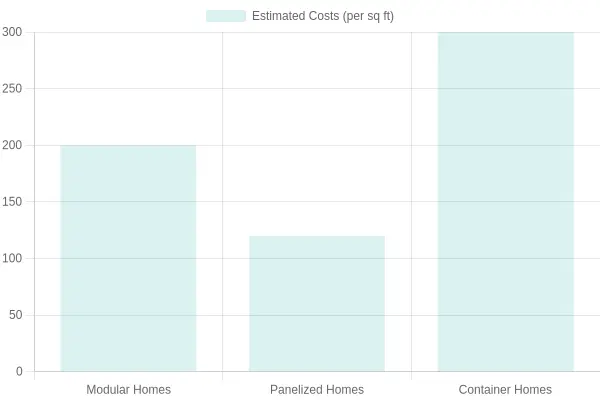
Estimated costs for different types of prefab homes show a clear range depending on the type and customization involved, which can aid in making informed decisions for potential buyers as they plan their construction projects.
The Benefits of Prefab Home Construction for Business Owners
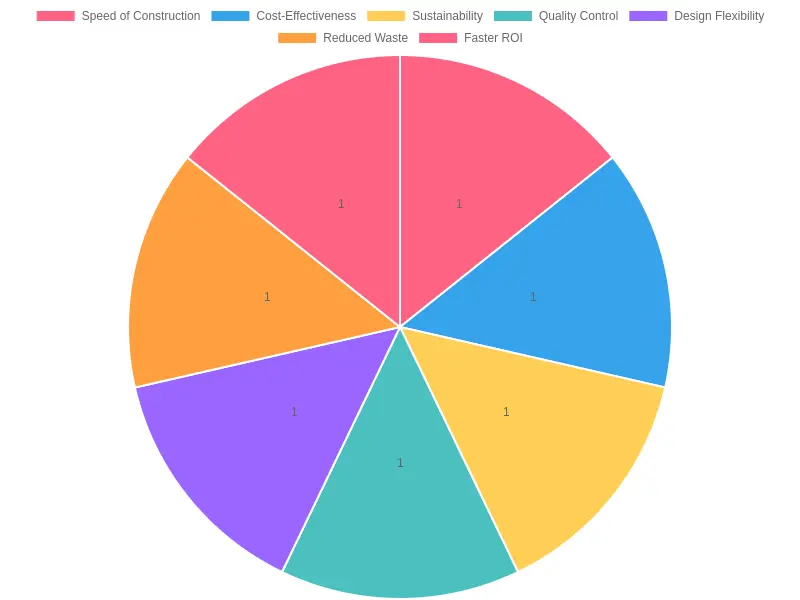
As the construction landscape evolves, prefab homes stand out as an innovative and highly beneficial option, especially for business owners looking to streamline operations. Here’s a closer look at the specific benefits prefabricated home construction can offer.
1. Speed of Construction
One of the most compelling reasons to opt for prefabricated homes is the speed of construction. Traditional building methods can involve lengthy approval processes, weather delays, and on-site labor issues. In contrast, prefab homes are manufactured in factories with precise assembly line techniques. This not only speeds up the construction time but also allows for a more predictable timeline, enabling business owners to reduce waiting periods. According to various sources, prefab homes can be constructed in as few as a few weeks, while traditional homes may take several months to a year.
Learn more about the differences in construction speeds between prefab and traditional homes.
2. Cost-Effectiveness
Cost savings are a significant factor for business owners considering prefab homes. The streamlined construction process reduces labor costs, and the efficient manufacturing techniques minimize material waste. Additionally, prefab homes can often be purchased at a lower price than traditional homes, facilitating a better return on investment. In today’s economy, where budgets can be tight, this cost-effectiveness is particularly appealing.
3. Sustainability
Sustainability is becoming increasingly important in corporate responsibility initiatives. Prefab homes are often built using eco-friendly materials and energy-efficient technologies, aligning well with green building practices. Many manufacturers focus on using recycled or renewable materials, reducing the environmental impact associated with the construction process. When companies invest in environmentally conscious buildings, they not only demonstrate corporate responsibility, but they also attract consumers who are increasingly sensitive to sustainability issues.
Read about how prefab homes lead the way in sustainable construction practices.
4. Greater Quality Control
Prefab homes are constructed in controlled environments, which means that the quality can be better managed and maintained compared to on-site construction. Weather and environmental factors do not interfere with the building process, which typically results in higher construction quality thanks to standardized processes and thorough checks before transportation to the site.
5. Flexibility in Design
Business owners can take advantage of the flexibility that prefab construction offers. Many prefab homes offer customizable designs that can be tailored to specific business needs. Whether it’s a unique layout to fit a particular site or customized spaces for business operations, prefab homes allow for significant design flexibility.
6. Reduced Waste
The factory-based methods used in prefab construction typically generate less waste than traditional on-site methods. Materials can be closely monitored and cut to precise dimensions before arriving at the construction site, which not only decreases material wastage but also decreases landfill contributions.
7. Faster Return on Investment (ROI)
Due to the quick construction time and often lower initial investment, business owners can expect a faster return on investment. Once a prefab home is complete, it can be quickly occupied or utilized for business purposes, allowing for immediate revenue generation.
Conclusion
In conclusion, prefabricated homes present several advantages for business owners, including rapid construction timelines, reduced costs, and sustainability benefits. As the demand for efficient, eco-friendly homes continues to rise, embracing prefab construction can position businesses as forward-thinking entities committed to innovation and corporate responsibility.
For more insights regarding home construction and remodeling options, consider exploring expert home remodeling services.
This image showcases a contemporary design of a prefab home, illustrating its innovative aesthetics and functionality suited for modern living. For more insights on home renovation and construction, you can transform your home with expert remodeling services or explore the complete guide to renovation.
Prefab homes, or prefabricated homes, have gained popularity for their efficiency, affordability, and speed of construction. Several businesses have achieved notable success in this sector, navigating various challenges and leveraging the benefits of prefab construction. Below, we delve into two case studies that highlight successful prefab home businesses and their journeys.
1. Kristie Wolfe’s Fairytale Cottage
Overview: Kristie Wolfe transformed a prefab tiny home into a captivating “fairytale cottage” on Airbnb, generating significant income through vacation rentals.
-
Challenges: Wolfe faced several obstacles, including the initial procurement of a suitable prefab home and the need to creatively design and market her unique property.
-
Solutions Provided:
-
Design Adaptation: Wolfe applied her design skills to repurpose the base model of the prefab home into a themed rental that stood out in a competitive market. She added whimsical aesthetics that appealed to guests looking for unique lodging experiences.
-
Marketing Strategy: She capitalized on the rise of short-term rental markets by effectively utilizing platforms like Airbnb, showcasing the unique features and charm of her cottage to attract bookings.
-
Outcome: This innovation led to a successful Airbnb venture, demonstrating how prefab homes can be adapted for niche markets. The fairytale cottage has garnered excellent reviews and a steady stream of visitors, highlighting the potential for profitability in the prefab sector. To read more about Kristie Wolfe’s unique venture, check out the full story here.
2. Manor Build’s 6 Homestar Rated Homes
Overview: Manor Build, based in New Zealand, achieved a significant milestone by constructing homes that earned a 6 Homestar rating, which denotes high performance in energy efficiency and sustainability.
-
Challenges:
-
The company initially struggled with balancing cost efficiency while maintaining high-quality standards for sustainability.
-
The prefab industry often faces skepticism regarding the durability and aesthetic appeal of their structures compared to traditional builds.
-
Solutions Provided:
-
Sustainable Practices: Manor Build focused on using eco-friendly materials and building practices that not only complied with but exceeded regulatory requirements for sustainability.
-
Client Education: By educating potential clients about the benefits of prefab structures, including the long-term savings on energy bills and reduced carbon footprints, they helped shift perceptions and win clients over.
-
Outcome: The company’s commitment to quality and sustainability has positioned them as leaders in the prefab market, allowing them to cater to environmentally conscious homebuyers. Their success serves as a model for other businesses aiming to enter the prefab market. For further insights on sustainable practices in prefab construction, visit their profile here.
Conclusion
These case studies highlight the versatility and potential of prefab homes in various business contexts. Whether through innovative design and marketing strategies or a commitment to sustainability and efficiency, businesses can overcome challenges to achieve success in the prefab home market. As the industry continues to evolve, leveraging these insights can be invaluable for current and future prefab home businesses. Furthermore, exploring options like eco-friendly bathroom upgrades or custom home construction can enhance your offerings in this growing market.
Expert Insights on Prefab Housing
Experts have noted the significant role prefab housing plays in modern construction and urban living. Dr. Emily Williamson, a respected figure in the prefab housing industry, emphasizes this change:
“The prefab house movement is not just about building homes faster; it’s about redefining how we think about residential living in an eco-conscious world.” – Dr. Emily Williamson
This insight underscores the shift towards more sustainable building practices and the innovative design possibilities that prefab homes offer. For business owners considering prefab construction, this trend not only impacts environmental considerations but also offers a competitive edge in the housing market.
If you’re interested in more insights about transforming living spaces with modern practices, you can learn more about remodeling services.
Prefab homes, or prefabricated houses, have gained a reputation over recent years for being a modern and efficient alternative to traditional housing. However, despite their growing popularity, various misconceptions persist, especially among business owners considering investment opportunities in the housing sector. This section will debunk some common misunderstandings surrounding prefab homes, particularly regarding their quality and design limitations.
Misconception 1: Prefab Homes Are of Inferior Quality
One of the most widespread beliefs about prefab homes is that they are constructed with lower-quality materials compared to traditional homes. This misconception often stems from the perception that because these homes are manufactured off-site, they must sacrifice quality for efficiency. However, many prefab homes are built to meet or even exceed local building codes, using high-quality materials. According to a summary from Yankee Barn Homes, while some budget-friendly models may use cheaper materials, this does not uniformly apply to all prefab constructions. Various manufacturers emphasize premium constructions that ensure durability and longevity, promising lifespans similar to or exceeding that of traditional homes.
Misconception 2: Limited Design Options
Another prevalent misconception is that prefab homes lack design flexibility, leading potential buyers to believe that they have limited options for aesthetic or functional customization. In reality, many manufacturers offer a wide range of customizable layouts and features, dispelling the myth that prefab homes are cookie-cutter structures. A resource from Wunderbuild indicates that modern prefab homes enable intricate designs, catering to a variety of personal styles and functional needs. Whether it’s adapting a floor plan or choosing finishes, the available options often rival those found in traditional home construction.
Misconception 3: They Cannot Be Eco-Friendly
Business owners may also assume that prefab homes are not environmentally sustainable. However, many manufacturers focus on eco-friendly practices, utilizing materials that are sustainable and energy-efficient. Prefab homes are constructed in a controlled environment, which reduces waste during the building process. Furthermore, they can incorporate energy-efficient technologies that lead to lower utility costs and a reduced carbon footprint over time.
Misconception 4: Prefab Homes Are Temporary Solutions
Finally, a common stereotype is that prefab homes are merely temporary structures, thus not suitable for long-term living. Contrary to this view, many prefab homes are designed for longevity and comfort. An article from Cedreo mentions that well-built prefab homes can last between 30 to 60 years, depending on the materials and installation quality.
Conclusion
Understanding the realities versus the misconceptions surrounding prefab homes can significantly impact business decisions and investment strategies in the housing market. With modern advancements, prefab homes offer comparable quality, architectural flexibility, and eco-friendliness, making them not just a viable option but an attractive choice in contemporary construction. For those interested in remodeling or innovative construction solutions, learn more about expert home remodeling services that can help integrate prefab homes into future projects.
By addressing these misconceptions, business owners can make better-informed decisions as they explore the potential of prefab housing in their portfolios.
Construction Cost Comparison: Prefab vs. Traditional
In recent years, the debate between prefabricated (prefab) construction and traditional building methods has garnered significant attention from business owners and construction professionals alike. One of the primary factors driving this conversation is the cost efficiency of prefab construction compared to traditional methods.
Cost Overview
According to various industry sources, prefabricated construction can reduce costs significantly, potentially saving from 10% to 40% compared to traditional construction methods. The following is a breakdown of average costs per square foot:
| Construction Method | Average Cost (per sq ft) | Cost Savings Percentage | Estimated Cost Range (per sq ft) |
|---|---|---|---|
| Traditional Construction | $150 | – | – |
| Prefabricated Construction | – | 10% – 40% | $90 – $135 |
Visual Representation
Below is a chart illustrating the cost comparison between prefab and traditional construction methodologies:
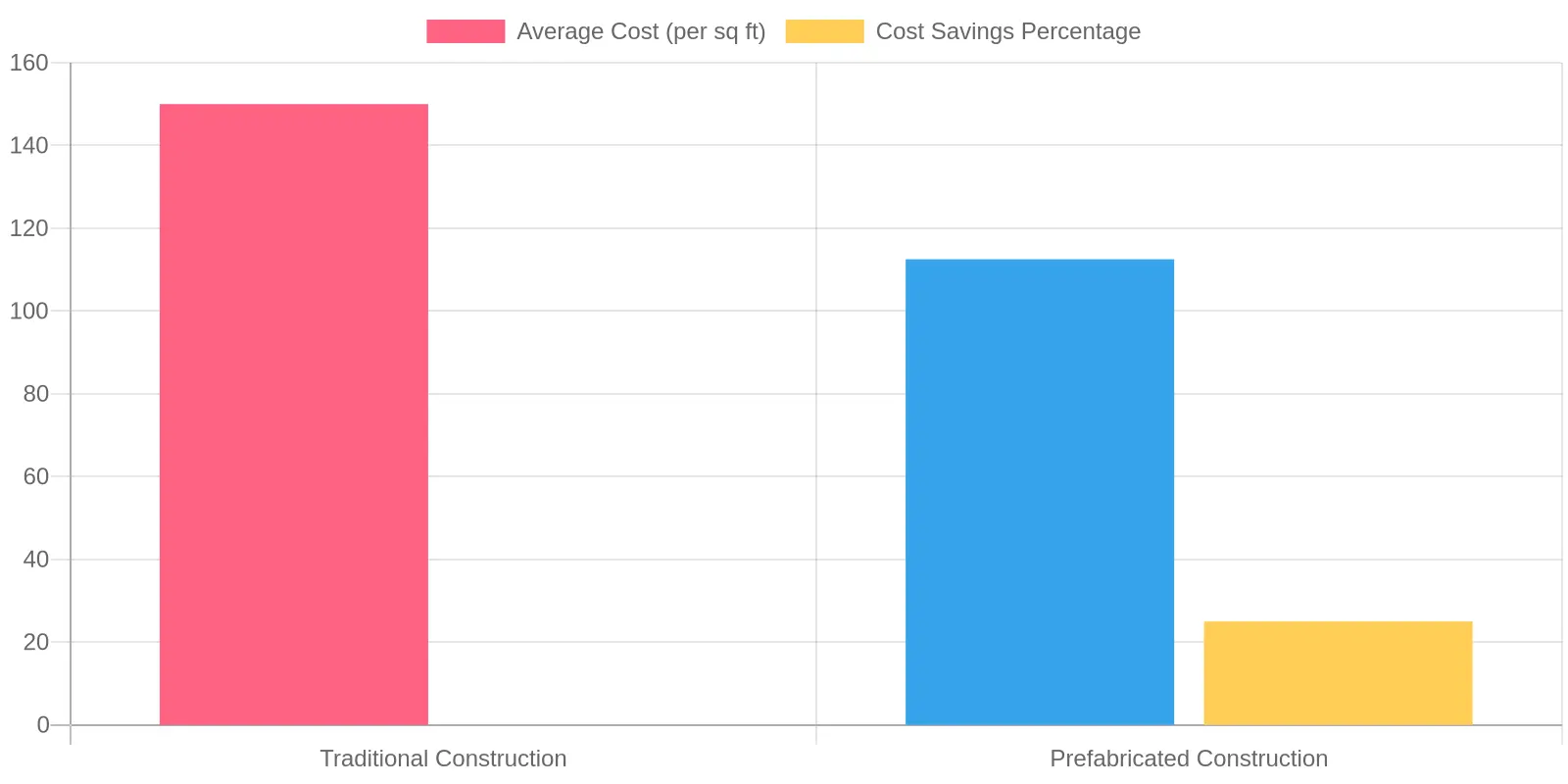
This visual clearly indicates that prefabricated construction not only offers lower costs but also provides growth opportunities for developers looking to minimize expenses without sacrificing quality.
For those considering new construction or renovation, exploring options such as prefab methods could lead to significant financial benefits. If you want to learn more about transforming your home with expert remodeling services, check out this article.
In conclusion, as we’ve explored the growing trend of prefab home construction, it’s clear that this innovative solution offers numerous benefits particularly relevant to business owners. Prefab homes provide cost-efficiency, customizable designs, and faster construction timelines, profoundly impacting your project’s bottom line. According to numerous sources, the prefabricated housing market is set for significant growth, driven by the urge for affordability and efficiency in the construction industry.
Incorporating prefab options can not only sharpen your competitive edge but also align with sustainability goals and provide quicker turnarounds for your projects. If you’re considering taking a step into the future of construction, it’s time to explore the possibilities that prefab homes present.
Contact us at Rudensko Construction to discuss how we can help you leverage prefab home solutions for your projects. Let’s redefine construction together!