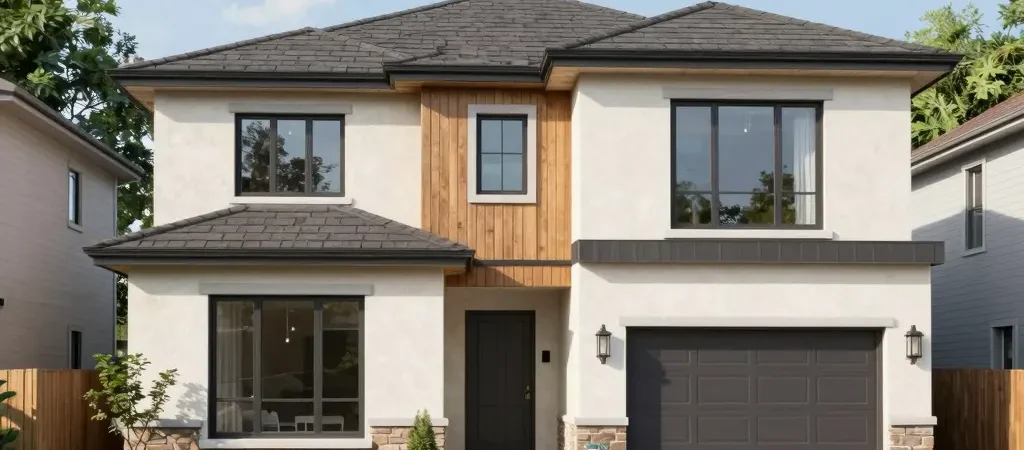
Introduction to Better Homes Construction for Business Owners
In today’s competitive market, the construction of better homes is not merely a trend but a vital necessity that significantly impacts both the residential and business landscapes. Business owners, in particular, can benefit enormously from investing in quality home construction and remodeling. With the rise of eco-conscious consumers and a growing emphasis on sustainability, better homes construction can lead to improved property values, enhanced corporate reputation, and increased profitability.
Delving into the essentials of home remodeling, business owners who recognize the importance of structure and design optimization can achieve a dual advantage of creating attractive spaces and maximizing operational efficiency. Not only does a well-constructed home foster a positive environment for clients and customers but it also uplifts team morale and enhances productivity among employees. Furthermore, as many businesses now prioritize remote work setups, the demand for versatile and comfortable home constructions or remodels has escalated, opening new avenues for revenue generation.
Investing in home enhancements can also yield substantial long-term financial returns. Owners can transform their spaces into functional and aesthetic areas that appeal to potential buyers or renters, thus increasing the market value of their properties. Through effective remodeling strategies, businesses can tap into niche markets, attract a broader clientele, and streamline workflows. Interested in unlocking the potential of your home? Explore our guide on transforming your home with stunning remodeling services that can provide immediate and impactful results.
By prioritizing better home construction, business owners equip themselves to meet modern demands and, ultimately, set their brands apart in the marketplace. As we further explore this topic, it becomes evident that remodeling isn’t just an aesthetic choice-it’s a strategic business decision that can lead to lasting success.
Modern Construction Techniques Enhancing Efficiency and Sustainability in Home Building
In today’s rapidly evolving construction landscape, it is crucial for business owners to stay informed about the modern construction techniques that not only enhance operational efficiency but also promote sustainability in home building. As consumers increasingly demand eco-friendly homes, business owners must adapt to these preferences to remain competitive in the market. This section will delve into several key techniques, their benefits, and how these innovations can be leveraged to improve overall construction practices.
1. Timber Framing
Timber framing has resurfaced as a preferred method for its sustainable characteristics. This technique involves the use of large wooden beams and posts that naturally provide structural strength while using fewer materials than traditional wood-framed methods. The environmental benefits include:
- Renewability: Timber is a renewable resource that, when sourced sustainably, reduces deforestation concerns.
- Carbon Sequestration: Wood absorbs CO2, making buildings more carbon-neutral over their lifespan.
- Aesthetic Appeal: Timber framing offers a rustic and appealing aesthetic, attracting buyers looking for unique design features.
For more on remodeling opportunities with timber, check out transforming your home with stunning remodeling services.
2. Insulated Concrete Forms (ICF)
ICFs are a modern construction method that uses hollow foam blocks filled with concrete to create walls. This technique offers numerous advantages:
- Energy Efficiency: ICF walls have a higher R-value compared to traditional building methods, significantly reducing heating and cooling costs.
- Durability: Structures built with ICF are more resistant to natural disasters and pests compared to wood-framed buildings.
- Reduced Waste: The construction process of ICF is cleaner, generating less debris than other methods, leading to a more streamlined construction site.
3. Lean Construction
Lean construction applies principles from lean manufacturing to construction projects. It focuses on maximizing value while minimizing waste, promoting efficiency through:
- Better Planning: Streamlined workflows and better scheduling reduce idle time and increase productivity.
- Continuous Improvement: Implementing feedback loops from previous projects enables teams to refine processes and strive for excellence.
- Collaboration: Enhanced communication among stakeholders fosters teamwork, which is crucial for successful project completion.
Explore more efficient remodeling strategies with the expert home remodeling services.
4. Advanced Materials
Innovations in building materials are changing the face of construction. Notable materials include:
- Aerogels: These are used for insulation due to their exceptional thermal properties while being lightweight. Aerogels are made from natural or recycled materials, offering a low carbon footprint.
- Graphene-Infused Concrete: This type of concrete is known for its high strength and durability, reducing the amount of cement required and consequently lowering resource use.
- Smart Materials: These materials change properties in response to environmental changes, contributing to energy efficiency and system optimization in buildings.
Comparison of Construction Techniques
To summarize, the benefits of various construction techniques can be illustrated in the following charts:
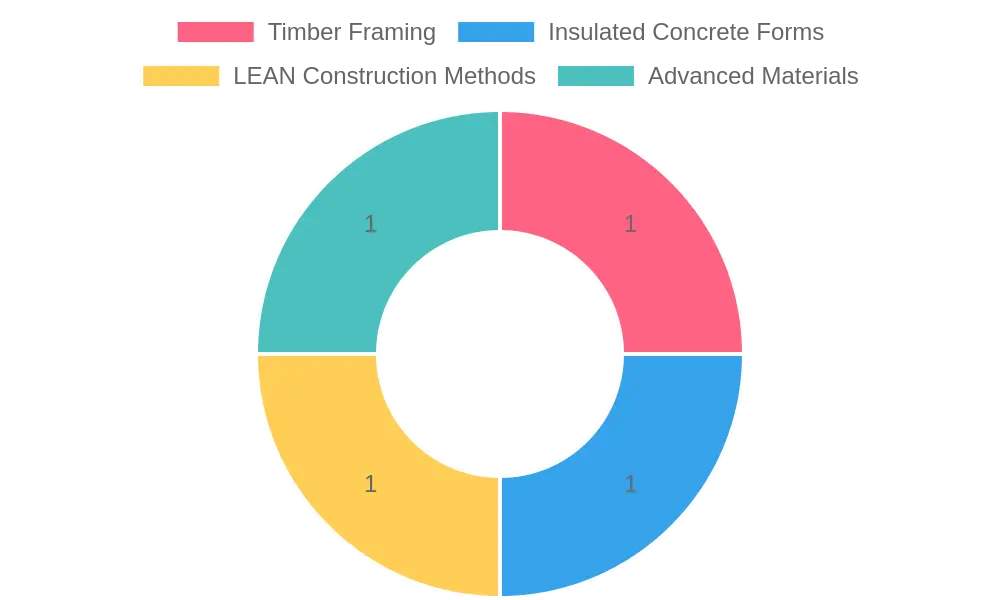
Comparison of Materials Based on Energy Efficiency, Durability, and Sustainability
| Material | Energy Efficiency | Durability | Sustainability |
|---|---|---|---|
| Aerogels | High | Moderate | Made from natural or recycled materials, low carbon footprint |
| Graphene-Infused Concrete | Very High | High | Enhances concrete recycling potential, reduces resource use |
| Insulated Concrete Forms (ICF) | High | Very High | Energy-efficient with recycled content, improved thermal performance |
In conclusion, integrating modern construction techniques not only enhances the efficiency of home building but also ensures that new developments meet sustainable practices demanded by today’s environmentally-conscious market. Business owners in the construction industry should embrace these innovations to capitalize on market demands and improve profitability.
Comparison of Construction Costs: Traditional vs. Modern
| Cost Factor | Traditional Construction | Modern Construction |
|---|---|---|
| Labor Costs | Typically higher due to manual work | Generally lower due to efficiency |
| Material Costs | Can vary widely; often higher for specific materials | Often lower due to bulk purchasing |
| Time to Complete | Longer project timelines | Shorter due to prefabrication techniques |
| Initial Investment | Lower upfront costs; more gradual expenses | Higher upfront costs, but potential savings in the long run |
| Energy Efficiency | Often less efficient, higher utility costs | Typically more energy-efficient designs |
| Customization Options | High flexibility, tailored designs | Can also offer customization but may be limited by prefabrication standards |
In this context, it is essential to recognize that while traditional methods may initially appear less expensive, modern techniques tend to provide overall cost savings and efficiency, particularly in terms of long-term maintenance and utility costs.
For more insights on modern construction and its advantages, learn more about the essentials of remodeling services.
Using eco-friendly materials in construction is not just a trending choice; it’s a smart, long-term investment that benefits both the environment and your finances. As business owners in the construction industry, adopting these materials can help differentiate your company in a competitive market while championing sustainability.
1. Environmental Impact
The construction industry is one of the largest contributors to environmental degradation. By switching to eco-friendly materials, you’re taking significant steps to reduce this impact. Key environmental benefits include:
-
Reduction of Carbon Footprint: Traditional building materials like concrete and steel generate significant carbon emissions during production. Eco-friendly alternatives, such as bamboo, recycled metals, and sustainably sourced timber, have lower associated emissions.
-
Resource Conservation: Eco-friendly materials often come from renewable sources, minimizing exhaustion of natural resources. This contributes to biodiversity and maintains healthy ecosystems.
-
Waste Reduction: Utilizing recycled materials in construction helps divert waste from landfills. For instance, recycled glass, plastic, and metals can be repurposed into various building materials.
2. Health Benefits
Eco-friendly materials often have fewer volatile organic compounds (VOCs), leading to better indoor air quality. Materials such as natural paints, bamboo flooring, and non-toxic insulation contribute to healthier living environments for occupants, reducing health risks associated with harmful chemicals typically found in conventional materials.
3. Long-Term Savings
While the initial investment in eco-friendly materials can be higher, the long-term savings are significant:
-
Energy Efficiency: Many eco-friendly materials improve a building’s energy efficiency. For example, insulated concrete forms and natural insulation materials can dramatically reduce heating and air conditioning costs. According to studies, buildings that incorporate energy-efficient materials can save up to 30% on energy bills.
-
Durability: Eco-friendly materials often boast greater durability and performance compared to traditional options. This minimizes maintenance costs over time. For instance, sustainable wood products treated for durability can last longer than conventional wood options.
-
Tax Incentives and Rebates: In various regions, using green-certified materials may qualify construction projects for tax incentives and rebates, further offsetting initial costs. It’s essential to research local policies regarding green building initiatives.
4. Market Demand and Business Advantage
There is a growing demand for sustainable construction. More homeowners are seeking eco-friendly options when building or renovating their homes. By positioning yourself as a leader in sustainable construction, you can:
-
Attract Eco-Conscious Clients: Aligning your business with eco-friendly practices appeals to a niche market of environmentally conscious homeowners and businesses.
-
Enhance Brand Image: Companies that invest in sustainable practices often see improvements in their brand image, strengthening customer loyalty and satisfaction.
Conclusion
Integrating eco-friendly materials into your construction projects is not merely an ethical choice; it’s a strategic business decision. By Understanding the long-term savings and environmental benefits, you can not only enhance your business’s profitability but also contribute positively to the planet. Adopting these materials can position your company as a forward-thinking leader in sustainable construction.
For more insights into effective remodeling strategies that incorporate eco-friendly practices, check out our guide to kitchen and bathroom renovations and other expert remodeling services.
By choosing eco-friendly materials, you’re not just building better homes; you’re paving the way for a sustainable future.
Popular Eco-Friendly Construction Materials for Modern Homes
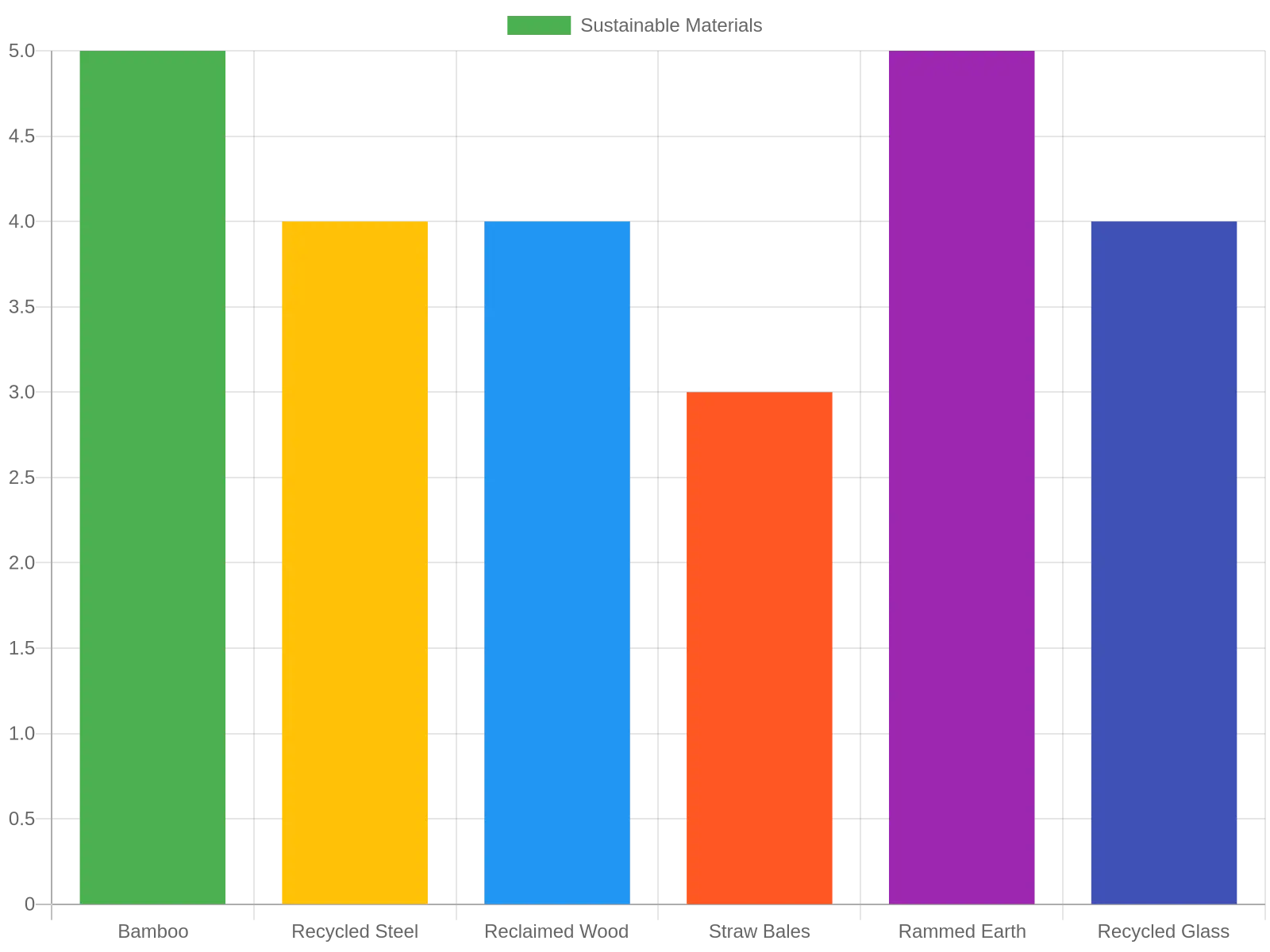
As business owners in the construction industry, it is important to recognize the growing demand for sustainable building options. Eco-friendly materials are not only beneficial for the environment but also enhance the efficiency and appeal of modern homes. Here is a list of popular eco-friendly construction materials:
- Bamboo: A fast-growing grass, bamboo is strong, lightweight, and can be harvested sustainably. It’s often used for flooring, cabinetry, and furniture.
- Recycled Steel: This material supports durable construction and minimizes waste by reusing steel scrap, making it a sustainable choice for structural components.
- Hempcrete: Made from hemp fibers, this lightweight material is an excellent insulator and has low environmental impact during production.
- Reclaimed Wood: By repurposing wood from old buildings or fallen timber, this option reduces deforestation and adds character to homes.
- Straw Bales: Utilized for insulation, straw bales are biodegradable and offer excellent thermal properties.
- Rammed Earth: A natural building technique that uses compressed soil, rammed earth offers excellent thermal mass and is low in environmental impact.
- Recycled Glass Tiles: Perfect for backsplashes and other decorative applications, these tiles utilize post-consumer glass, reducing landfill waste.
- Sustainable Insulation: Materials such as cellulose or wool provide effective insulation while being environmentally friendly.
Integrating these materials into construction projects not only meets consumer preferences but also supports a greener future. For more insights on enhancing the sustainability of your projects, learn more about remodeling services or check out how to transform your space with expert remodeling services.
The Impact of Regulations on Construction
Understanding how construction regulations affect builders is crucial for any business owner in the construction industry. Regulations are designed to ensure safety, protect the environment, and maintain quality standards in construction projects. However, these regulations also impose certain challenges and requirements on builders that can influence their operations.
Safety Standards and Compliance
Safety is one of the primary areas where construction regulations have a significant impact. Regulations set forth by organizations such as the Occupational Safety and Health Administration (OSHA) require builders to follow strict safety protocols to protect workers on site. Compliance with these standards often involves:
- Training Programs: Builders must invest in regular safety training for their employees to ensure that everyone is aware of safety procedures and risks.
- Equipment and Gear: Ensuring that all employees have access to proper safety equipment is fundamental, which may also increase initial project costs.
- Regular Inspections: Builders must frequently conduct site inspections to comply with regulations, helping to prevent workplace accidents and ensuring worker safety.
While adhering to safety regulations can increase costs initially, this investment often results in a safer working environment, decreased accident rates, and ultimately a more productive workforce.
Environmental Regulations
Environmental regulations are another critical aspect that builders must navigate. Compliance with local, state, and federal laws regarding waste management, pollution control, and sustainable practices is essential. This can involve:
- Waste Disposal and Management: Builders are often required to have waste management plans to control construction debris, ensuring it is disposed of and recycled properly.
- Permitting: Before beginning a project, builders must secure permits that confirm adherence to environmental regulations, which can lengthen project timelines and increase upfront costs.
- Sustainability Practices: There is a growing emphasis on environmentally friendly materials and construction methods, pushing builders to innovate and adapt to greener practices.
Adopting these sustainable practices can position a company favorably in a marketplace that increasingly values environmental responsibility, potentially leading to a competitive advantage.
Quality Controls
Construction regulations also impose quality control measures. These standards ensure that the final project meets specific criteria for durability, aesthetics, and overall performance. Builders must:
- Use Certified Materials: Compliance entails sourcing materials that meet certain standards, often requiring partnerships with suppliers who can provide certifications.
- Third-Party Inspections: Many projects require inspections from approved third-party entities to verify that the work meets regulatory standards before it can be closed out or commissioned.
- Documentation: Maintaining thorough records of compliance efforts is critical for builders. This documentation can protect them during audits or disputes.
While this increases operational complexity and costs, maintaining high-quality standards generally leads to better client satisfaction, enhanced reputation, and reduced liability risks for builders.
The Cost of Non-Compliance
Failing to comply with construction regulations can result in serious consequences. Non-compliance may lead to:
- Fines and Legal Action: Regulatory bodies can impose hefty fines or legal action for violations, which can significantly affect a company’s bottom line.
- Project Delays: Non-compliance can lead to work stoppages or delays in project approvals, pushing timelines back and increasing costs.
- Damage to Reputation: A company known for non-compliance can suffer long-term damage to its reputation, negatively affecting its ability to secure future contracts.
Conclusion
For business owners in the construction industry, understanding and adhering to regulations is not just a legal obligation but a strategic advantage. By embracing compliance deeply, builders can enhance safety, boost environmental responsibility, and ensure quality, ultimately leading to a stronger business. Staying informed and investing in compliance processes pays off in sustainable growth and an improved reputation. For further insights into enhancing construction practices, you may explore transforming your home with stunning remodeling services and the ultimate guide to kitchen and bathroom renovations.
Return on Investment (ROI) in Better Home Construction
Investing in better home construction can yield significant returns over time. Below is a chart showcasing the average ROI associated with home construction projects over different time periods:
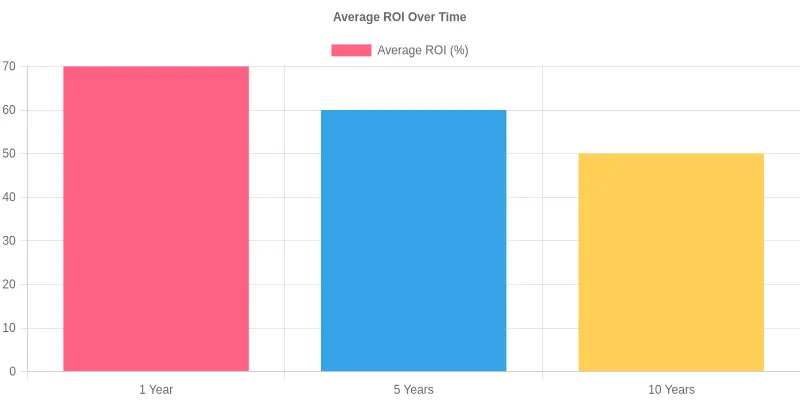
| Time Period | Average ROI (%) | Sources |
|---|---|---|
| 1 Year | 70% | HomeAdvisor |
| 5 Years | 60% | Remodeling Magazine |
| 10 Years | 50% | National Association of Realtors |
Key Takeaways
- 1 Year: A significant 70% ROI can be achieved, showcasing the immediate benefits of investing in enhancements.
- 5 Years: The average ROI generally stabilizes at around 60%, indicating sustained returns.
- 10 Years: The trend continues with a notable 50% ROI, demonstrating the long-term value of construction investments.
To learn more about how to effectively enhance your home with construction and remodeling services, check out this ultimate guide to kitchen and bathroom renovations.
Conclusion: The Value of Better Home Construction for Business Owners
In today’s competitive marketplace, the significance of investing in better home construction cannot be overstated, especially for business owners. As we explored in this article, quality construction and remodeling directly impact not only the functionality and aesthetic of a property but also its market value and appeal. Here are some key insights to consider:
-
Increased Property Value: Investing in solid construction practices and quality materials contributes to higher property valuations over time. Business owners can expect a better return on investment (ROI) when they prioritize the structural integrity and design of their commercial properties.
-
Enhanced Aesthetics and Functionality: Well-designed spaces boost not only the aesthetic appeal but also enhance the functionality of a property. Business owners can benefit immensely from an environment that meets their operational needs while providing a pleasant experience for clients and employees alike. This can lead to increased customer satisfaction and employee productivity.
-
Sustainability Benefits: Incorporating eco-friendly construction practices can lead to reduced operational costs. Business owners who choose to use sustainable materials and eco-efficient designs can save on energy costs while also positioning their brand as environmentally conscious, which is an increasingly important factor for customers.
-
Growth in Market Trends: Adapting to modern market demands, such as open spaces or smart home technologies, positions businesses favorably within their respective industries. Remaining ahead of trends in home construction can provide a competitive advantage, ensuring that business owners attract and retain clientele.
-
Accessibility and Inclusivity: Better home construction can also accommodate wider audiences, including provisions for people with disabilities. Ensuring that a space is accessible to everyone is not just a legal requirement but a significant aspect of good business practice that can widen a client base.
In summary, the strategic investment in comprehensive home construction and remodeling can yield substantial long-term benefits for business owners. Whether it’s enhancing property value through quality craftsmanship or adopting sustainable approaches for lower emissions, every decision contributes to the overall success of a business. As you consider the next steps in your property’s development, learn more about remodeling services and embrace the opportunity to transform your commercial spaces into valuable assets. With the right strategies in place, your construction choices today will undoubtedly shape the thriving opportunities of tomorrow.
Call to Action: Invest in Better Homes Construction
As a business owner, investing in better homes construction can significantly elevate your venture and enhance the value of your property. Creating quality living spaces not only attracts potential clients but also fosters a sense of community and belonging. When you prioritize superior construction, you ensure that your investments yield long-term returns, raising the overall quality of living for your clients.
Imagine the competitive edge you’ll gain when your properties stand out for their craftsmanship and eco-friendliness. By integrating innovative design and sustainable materials, you can appeal to a broader market while also minimizing your environmental impact.
Don’t miss this opportunity to transform your business landscape. Start today by exploring luxury home remodeling options that can redefine your property’s potential. Let us help you unlock a brighter, more prosperous future for your business through exceptional home construction solutions. Contact us now and watch your investment thrive!