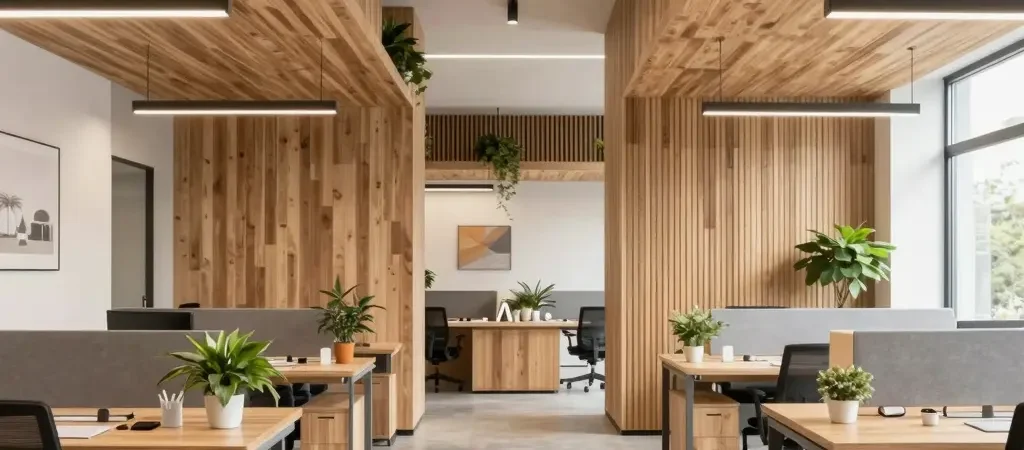
Unlocking the Benefits of Custom House Construction for Business Owners
In today’s ever-evolving real estate landscape, business owners are increasingly recognizing the value of custom house construction as a pivotal investment strategy. Beyond merely having a structure to operate from, custom-built houses allow entrepreneurs to tailor every facet of their environment to meet specific business needs. From energy efficiency to architectural style, the advantages are both multifaceted and profound.
Imagine a workspace designed from the ground up to embody your brand’s ethos and facilitate your day-to-day operations seamlessly. Custom house construction enables business owners to select layouts, materials, and technology integrations that enhance productivity and foster a culture of innovation. Additionally, these properties often appreciate in value over time, providing a solid return on investment.
Moreover, with a focus on sustainability and eco-friendly practices, many builders are now implementing green technologies in custom builds. By prioritizing energy efficiency and sustainable materials, business owners not only reduce their ecological footprint but also significantly cut operating costs. Overall, the flexibility and control that come with custom construction empower business owners to create a dedicated space that not only meets their operational needs but also enhances their overall business strategy.
If you want to explore further how custom house construction can transform your operational landscape, unlock the potential of custom home construction and discover new ways to optimize your investment.
Overview of Custom House Construction Process
Building a custom home is a significant endeavor that allows you to create a space that truly fits your needs and style. The process involves several critical stages, each contributing to the overall success of the project. Below, we will break down these stages in detail.
1. Planning and Design
Planning your custom home begins with an extensive design phase. This stage is crucial, as it sets the foundation for the entire construction process. Key steps include:
- Defining Your Goals: Understand what you want in your new home, including the number of bedrooms, bathrooms, and any special features.
- Budgeting: Establish a budget that includes construction costs, permits, and additional expenses like landscaping or interior design.
- Hiring Professionals: Engage with architects and designers to draft initial blueprints and plans. Collaborating with experienced builders early on can align your vision with practical execution.
- Permits and Zoning: Ensure all designs comply with local zoning laws and secure any necessary permits to avoid delays.
For insights into home remodeling, check out transforming your home.
2. Site Preparation
Once the plans are finalized, the next step is preparing the site where your custom home will be built:
- Land Clearing: The construction area is cleared of any trees, rocks, or debris.
- Grading: The land is leveled to ensure a solid and stable foundation.
- Utilities Setup: Preliminary work is done to lay out connections for water, electricity, and sewage.
3. Foundation
A strong foundation is critical for a durable home. This stage often involves:
- Excavation: Digging to appropriate depths for footings or basements.
- Footings: Pouring concrete footings to support the home.
- Slab or Basement: Installing the foundation as either a slab or a crawl space, depending on your design requirements.
4. Framing
The framing stage brings your home to life:
- Skeleton Construction: Carpentry is used to construct the walls, floors, and roof structures.
- Sheathing Installation: Sheets are attached to the outside of the frame ensuring structural integrity and insulation.
- Window and Door Openings: Cutouts are made in the framing for windows and doors.
5. Roofing and Siding
This phase protects your home from the elements:
- Roof Installation: Apply roofing materials like shingles or tiles.
- Siding: Install exterior siding such as vinyl, wood, or brick depending on your design aesthetic.
6. Plumbing, Electrical, and HVAC
Essential systems must be installed during the framing of the home:
- Plumbing: Install pipes for water supply and sewage systems.
- Electrical Wiring: Set up circuits for power throughout the house.
- HVAC Systems: Install heating, ventilation, and air conditioning systems to ensure comfort.
7. Insulation and Drywall
Insulation helps with energy efficiency:
- Insulation: Place insulation in walls, ceilings, and floors to regulate indoor temperature.
- Drywalling: Install drywall to create the interior walls and ceilings.
8. Interior Finishes
The interior finishes make your house a home:
- Flooring Installation: Lay down flooring materials like hardwood, tile, or carpet.
- Painting: Apply paint to walls and ceilings based on your color preferences.
- Cabinetry and Fixtures: Install kitchen cabinets, bathroom vanities, and lighting fixtures.
For more on effective remodeling strategies, explore our guide on home remodeling services.
9. Exterior Finishes
Completing the exterior enhances curb appeal:
- Landscaping: Add plants, trees, and sod to improve outdoor aesthetics.
- Driveways and Walkways: Construct pathways and driveways leading up to the home.
- Decks and Patios: Build outdoor living spaces for entertainment.
10. Final Inspection and Walkthrough
Before you can officially move in, you must ensure everything is in order:
- Final Inspection: Conduct a walkthrough with your builder to identify any issues that need resolution.
- Code Compliance: Ensure all construction meets building codes and regulations.
11. Move-In
Once the final inspection is complete, your home is ready:
- Closing Process: Conclude any outstanding paperwork related to the purchase or construction.
- Moving In: Finally, you can move into your new custom home, designed exclusively for you.
Conclusion
The custom house construction process is intricate, but each stage is essential to achieving your dream home. Collaborating with professionals at every step ensures that your vision is realized effectively and efficiently. By understanding what each stage involves, you can better prepare for the exciting journey ahead.
| Company Name | Average Cost per Sq Ft | Services Offered | Customer Review Rating |
|---|---|---|---|
| Luxury Home Builders | $250 – $300 | Custom Homes, Renovations, Eco-Friendly Options | 4.8/5 |
| Dream Homes Inc. | $200 – $250 | Custom Homes, Kitchen & Bath Remodeling, Additions | 4.5/5 |
| Elite Construction Co. | $230 – $280 | Custom Homes, Commercial Projects, Renovations | 4.7/5 |
| Green Build Solutions | $210 – $260 | Eco-Friendly Homes, Renovations, Additions | 4.9/5 |
| Oahu Home Builders | $220 – $270 | Custom Homes, Remodeling, Project Management | 4.6/5 |
Comparison Factors:
- Average Cost per Sq Ft: This varies based on the services provided, location, and complexity of the project.
- Services Offered: A diverse range of services can indicate a company’s versatility and capability in handling various construction needs.
- Customer Review Rating: Reflected on platforms like Google Reviews or Angie’s List, this metric helps in assessing customer satisfaction.
Additional Resources
For detailed information tailored to your needs, consider checking platforms like:
These resources can help you find specific custom house construction companies in your area along with detailed comparisons and up-to-date customer reviews.
The custom house construction industry has witnessed notable trends recently, driven by shifting consumer preferences, technological advancements, and economic factors. Business owners looking to capitalize in this sector should understand these dynamics and the benefits they present.
Increased Demand for Custom Homes
In the post-pandemic world, the desire for customized living spaces has surged. Homeowners are increasingly seeking tailored features that accommodate their lifestyle, pushing demand for custom home construction higher. Not only does this reflect personal preferences, but it also reflects a broader trend where consumers are prioritizing comfort and functionality over mere aesthetics.
- Key Trends Driving Demand:
- Shift in Work-from-Home Culture: With remote work becoming more common, many homeowners are looking for spaces that function efficiently as home offices.
- Amenities Focus: There’s a growing demand for specialized amenities, such as outdoor living areas, integrated smart home technology, and energy efficiency, which are all appealing to today’s buyers.
Economic Benefits of Custom House Construction
Building custom homes can significantly benefit business owners not only directly-in terms of construction profits-but indirectly through the broader economic impact.
-
Revenue Growth for Builders: Custom home builders can often charge a premium for personalization, leading to increased profits. The median price of newly built custom homes rose significantly-by approximately 10-15% year-over-year, according to some market analyses.
-
Job Creation: The demand for custom homes leads to job creation in construction, design, engineering, and various supplier sectors. The construction industry is one of the largest employers in many economies, providing thousands of jobs.
-
Increased Property Values: Custom-built homes are often more valuable than traditional homes. As demand for custom projects grows, existing homeowners may find their property’s market value increase, benefiting the neighborhood’s economy overall.
-
Sustainability Focus: There’s a move towards more eco-friendly building practices in custom homes, such as energy-efficient designs and sustainable materials. Builders adopting these practices can appeal to environmentally conscious consumers, thereby expanding their market base.
Market Challenges
While there are substantial benefits, several challenges may hinder growth:
-
Rising Material Costs: The cost of construction materials has been volatile, which can strain budgets and affect project timelines. Builders and clients may have to navigate these fluctuations carefully, potentially limiting projects’ scope.
-
Labor Shortages: The construction industry has experienced labor shortages, which can slow down project completion and possibly deter clients from pursuing custom builds.
Conclusion
The custom house construction sector is poised for growth, influenced by increased consumer demand for personalized living spaces and a greater focus on sustainability. Business owners in this domain can capitalize on these trends by adapting their offerings to meet modern needs while also navigating challenges like rising material costs and labor shortages.
For more detailed approaches to enhancing your construction business, consider exploring home remodeling essentials or the ultimate guide to kitchen and bathroom renovations.
If you’re ready to tap into these opportunities, the time is now to position your business effectively within the growing custom home market.
Financing Options for Custom House Construction
When embarking on the journey of building a custom house, one of the first steps involves determining the most suitable financing option. This can significantly influence your project’s overall success. Here’s a comprehensive look at the financing options available for custom home construction, along with their pros and cons:
1. Construction Loans
Construction loans are short-term loans specifically designed to cover the costs of building a home. Typically lasting between 6 months to a year, these loans are disbursed in installments as construction progresses.
Pros:
- Short-term financing: Ideal for borrowers who require funds only during the building period.
- Single close: Some lenders offer a “single-close” option, allowing homeowners to convert their construction loan to a permanent mortgage once the home is complete.
Cons:
- Higher credit requirements: Lenders often require a good credit score and a significant down payment.
- Higher interest rates: The interest rates on construction loans can be higher than traditional mortgages due to the perceived risk.
2. FHA Loans
The Federal Housing Administration (FHA) offers loans aimed at helping first-time homebuyers. These loans can also apply to custom home construction under certain conditions.
Pros:
- Lower down payment: FHA loans allow down payments as low as 3.5%.
- Flexible credit requirements: These loans are more accessible for individuals with lower credit scores.
Cons:
- Mandatory mortgage insurance: This can increase the overall cost of borrowing.
- Loan limits: FHA loans have caps based on regional home prices, potentially limiting the amount you can borrow for construction.
3. VA Loans
VA loans are available for eligible veterans and certain active-duty service members. These loans provide significant benefits and can be utilized for custom home construction.
Pros:
- No down payment required: Eligible veterans can secure financing without a down payment, making it a more affordable option.
- No mortgage insurance: This is a major cost-saving factor in the long run.
Cons:
- Funding fee: A one-time fee is required, although it can be rolled into the loan.
- Eligibility restrictions: Only veterans and specific service members can access this financing option, limiting availability.
4. Home Equity Loans
If you already own property, a home equity loan allows you to borrow against the equity built up in your home. This can provide substantial funding for new construction.
Pros:
- Lower interest rates: Generally, home equity loans have lower interest rates compared to other types of loans due to being secured by your property.
- Flexible usage: Funds can be used for various construction purposes as per the homeowner’s discretion.
Cons:
- Risk of foreclosure: Defaulting on the loan could put your home at risk.
- Equity requirement: You must have sufficient equity built up in your property to leverage this financing.
Considerations for Financing Your Custom Home
- Financial Assessment: Evaluate your current financial situation, including credit score, income stability, and existing debts to choose the right financing method.
- Consult with Professionals: Engage with financial advisors or mortgage consultants to understand the implications of each loan type. This will help you navigate through the various options effectively.
As you ponder financing options, it is essential to keep in mind that all loans come with their own set of requirements and stipulations. Moreover, a well-planned budget can help mitigate risks associated with overextending financially.
For more insights on transforming spaces, consider exploring our expert remodeling services or dive into the essentials of home renovation.
Benefits of Custom House Construction
In today’s ever-evolving construction landscape, custom house construction stands out for its myriad advantages, particularly for business owners seeking unique, tailored solutions. The flexibility and personalization it offers are unparalleled, leading to structures that truly reflect individual tastes and needs.
“Custom home construction allows homeowners to integrate their personal style, prioritize energy efficiency, and ensure quality craftsmanship, resulting in a home that not only meets their needs but also increases in value over time.” – John Smith, Industry Expert on Home Building Trends.
Key Benefits Include:
- Personalization: Tailor every aspect of your home to your lifestyle and preferences.
- Quality Assurance: Higher standards in materials and construction increase longevity.
- Energy Efficiency: Incorporate modern technologies to lower utility costs.
- Increased Value: Unique designs often yield higher resale values.
- Expert Guidance: Collaborating with professionals ensures informed decisions throughout the construction process.
For more insights into home remodeling, you can learn about the essentials of remodeling services that complement custom construction.
To explore how to further enhance your property’s appeal, check out our ultimate guide to kitchen and bathroom renovations.
This quote and overview emphasize the importance of custom home construction in today’s market and its benefits, particularly for those looking to invest in long-term value and aesthetic appeal.
Top Factors to Consider in Custom House Construction
When contemplating custom house construction, business owners should assess numerous factors to ensure their project meets their needs and expectations. Here are the top ten considerations:
-
Budget: Determine a realistic budget that includes construction costs, permits, and potential overruns. Consider consulting with financial advisors to ensure the investment aligns with your financial goals.
-
Location: Assess the site’s accessibility, proximity to essential services, and overall neighborhood appeal. A well-chosen location can enhance the property’s value over time.
-
Design and Layout: Plan a design that supports your business needs, maximizing space efficiency. Consider future scaling – will the layout accommodate growth?
-
Building Regulations: Familiarize yourself with local zoning laws, building codes, and restrictions. Compliance is essential to avoid costly delays and penalties.
-
Materials and Sustainability: Choose high-quality, sustainable materials that not only enhance the building’s durability but also minimize environmental impact. This can lead to long-term savings and an eco-friendly brand image.
-
Energy Efficiency: Incorporate energy-efficient technologies, like solar panels and high-quality insulation. These features can significantly lower operational costs and appeal to environmentally conscious clients.
-
Safety and Compliance: Ensure that all safety regulations are adhered to during construction. Assess building safety features, including fire safety and emergency access.
-
Timeline: Establish a clear timeline for the project. Delays can increase costs, so a detailed construction schedule ensures that the project stays on track.
-
Contractors and Subcontractors: Vet potential contractors thoroughly. Check references, previous work, and ensure they are licensed and insured. Your choice of contractor will largely impact the project’s overall success.
-
Flexibility for Future Needs: Design the space with potential future modifications in mind. Ensuring flexibility in design can save money and effort later on.
Custom house construction is not just about building a structure; it’s about creating a space that enhances your business’s potential. For more detailed insights, you can learn more about the essentials of remodeling services and explore renovation strategies that can complement your new build.
As the construction industry evolves, the focus on sustainable practices is becoming increasingly prominent. Custom house construction, in particular, can greatly benefit from adopting eco-friendly practices that cater to both business owners and the environment. Here are some sustainable practices to consider:
Benefits of Sustainable Construction
-
Economic Advantages: Implementing sustainable practices often leads to significant cost savings. For example, energy-efficient buildings require less energy for heating and cooling, which greatly reduces utility bills. According to the U.S. Green Building Council, green buildings contribute to reduced carbon emissions and lower energy consumption, leading to an improved return on investment (ROI) for business owners.
-
Improved Marketability: As public awareness of environmental issues increases, customers are more inclined to favor businesses that demonstrate commitment to sustainability. A custom house that features eco-friendly materials and practices can enhance its appeal in the market, leading to quicker sales and potentially higher prices.
-
Health and Wellbeing: Sustainable construction promotes a healthier living environment for occupants. By using non-toxic materials and improving indoor air quality, homes not only benefit the environment but enhance the quality of life for inhabitants. This can be particularly attractive to families with children or individuals with health concerns.
Sustainable Building Materials
When it comes to sustainable construction, the choice of materials is critical. Here are some eco-friendly materials to consider in custom house projects:
- Bamboo: Known for its rapid growth and strength, bamboo is a highly sustainable material that offers durability and aesthetic appeal.
- Reclaimed Wood: Utilizing reclaimed wood not only reduces demand for new lumber but also adds character and history to a home.
- Recycled Steel: This material is both strong and sustainable, as it reduces waste and minimizes the fresh raw materials needed in construction.
- Rammed Earth: This method utilizes natural materials and has a low carbon footprint, thus reducing environmental impact significantly.
For a deeper exploration of sustainable building materials, you can check resources like Green Building Advisor.
Eco-Friendly Construction Methods
Incorporating eco-friendly construction methods is equally essential in custom house building. Here are a few practices that can be implemented:
-
Passive Solar Design: Designing a home to take advantage of natural sunlight can significantly reduce energy usage. Features such as large south-facing windows can enhance heat gain in winter while providing cooling in summer.
-
High-Efficiency Systems: Installing energy-efficient systems such as HVAC units and water heaters can minimize energy consumption, ensuring that homeowners save on bills while contributing to a healthier environment.
-
Water Conservation Techniques: Incorporating systems like rainwater harvesting and greywater recycling can dramatically reduce water usage in homes, supporting sustainable living.
Conclusion
Integrating sustainable practices in custom house construction not only brings about financial benefits for business owners but also plays a critical role in preserving the environment. From choosing eco-friendly materials to employing efficient construction methods, the advantages are diverse and impactful. For business owners looking to build or remodel, it’s imperative to consider these sustainable solutions-a decision that reflects a commitment to both the community and the planet.
For further insights on how remodeling can contribute to sustainability, you may wish to transform your home with expert remodeling services. Those interested in the specifics of construction investment opportunities can visit invest in luxury home construction.
By embracing sustainability, custom house construction can pave the way towards a greener future.
Conclusion: Embrace the Future with Custom House Construction
In summary, choosing custom house construction presents an array of benefits that are particularly advantageous for business owners. By creating a tailored space, you not only enhance operational efficiency but also align the aesthetics of your office or work environment with your brand identity.
Key points to consider include:
- Tailored Design: Custom construction enables you to craft a space that accommodates all your specific needs while reflecting your unique style.
- Cost Efficiency: You can control costs effectively from the beginning, allowing for thoughtful budgeting on materials and finishes that suit your business priorities.
- Long-Term Investment: A well-built custom home has the potential for significant appreciation over time, ensuring that your investment continues to grow.
- Sustainable Practices: Incorporating energy-efficient options not only reduces your operational expenses but also promotes a responsible corporate image that resonates with today’s environmentally conscious consumers.
If you’re ready to take the leap into custom house construction, don’t hesitate to reach out! At Rudenkо Construction, we specialize in turning your vision into reality, ensuring that your custom-built home is not just a place to work, but a space that inspires success. Take the first step towards your dream space today and discover our expert remodeling services here. Your future begins with a single brick; let’s build something extraordinary together!
For further insights and to kick start your custom building journey, contact us today!