Introduction
In the world of business, having a well-constructed home is not just a matter of aesthetic appeal; it directly influences your operational efficiency, employee satisfaction, and overall brand image. For business owners, the importance of good construction cannot be overstated. It serves as the foundational element that shapes the environment in which you operate. Whether you are a small business striving to create a welcoming atmosphere for clients or a large enterprise looking to establish a professional presence, the construction quality of your premises plays a pivotal role in your success.
This article will delve into the key aspects of good home construction that every business owner should consider, including the importance of sustainable building practices, the impact of design on functionality, and how proper renovations can enhance property value. We will also look at how engaging with experts in remodeling can transform your space into a more productive and appealing environment. If you want to explore more about remodeling essentials, you can check out our guide on the essentials of remodeling services. Furthermore, we will discuss innovative trends in construction that can help modernize your business space and boost your competitive edge. Let’s embark on a journey to understand why constructing a good home is not just an investment in real estate, but a strategic move towards a successful business future.
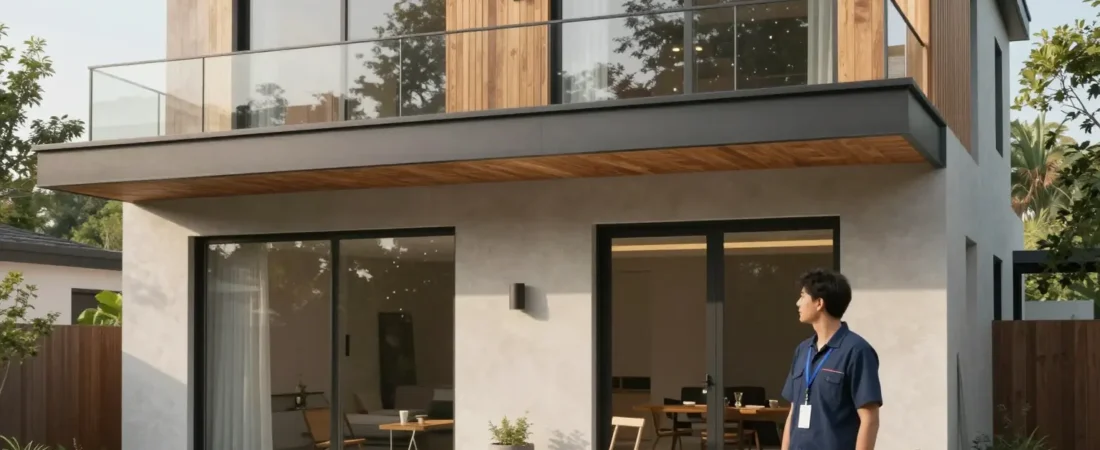
This image depicts a modern home construction site, showcasing the latest trends in construction. It perfectly aligns with our exploration of constructing good homes that cater to contemporary needs, embodying style, efficiency, and functionality. If you’re looking to transform your space, explore our remodeling services for guidance on creating your dream home!
Common Materials Used in Home Construction
Building a home requires careful selection of materials, each offering different benefits and uses. Below is a comprehensive list of common construction materials along with their advantages and typical applications:
1. Wood
- Benefits: Wood is lightweight, easy to work with, and offers excellent insulation. It can also be aesthetically pleasing, adding warmth and character to homes.
- Uses: Commonly used for framing, flooring, and cabinetry. It’s ideal for residential buildings due to its versatility and cost-effectiveness.
2. Brick
- Benefits: Brick is known for its durability and low maintenance. It has excellent thermal mass, helping to regulate indoor temperatures.
- Uses: Frequently used for exterior walls and facades, providing a classic look while ensuring structural strength.
3. Concrete
- Benefits: Highly versatile, concrete provides exceptional strength and longevity. It is fire-resistant and can be molded into various shapes.
- Uses: Widely used for foundations, slabs, and driveways. Ideal for high-rise buildings and structures needing durability.
4. Steel
- Benefits: Steel is immensely strong, allowing for the construction of high-rise buildings and structures that require inventory management and precision fabrication.
- Uses: Often used for structural frameworks, reinforcements, and roofing materials. It’s essential in modern construction for creating open spaces without load-bearing walls.
5. Bamboo
- Benefits: As a fast-growing renewable resource, bamboo is highly sustainable and strong, offering a unique aesthetic appeal.
- Uses: Used for flooring, cabinetry, and even structural components in eco-friendly construction designs that emphasize sustainability.
6. Glass
- Benefits: Glass allows for natural light to enter buildings while providing a modern look. It can also enhance energy efficiency with the right coatings.
- Uses: Commonly used in windows, facades, and internal dividers to promote open spaces and enhance aesthetics.
7. Insulation Materials
- Benefits: Proper insulation materials help improve energy efficiency by keeping homes warm in winter and cool in summer. They also contribute to noise reduction.
- Uses: Insulation materials like fiberglass, foam board, or cellulose are used in walls, roofs, and floors to optimize thermal performance.
For more detailed insights on remodeling and transforming construction practices, you might want to explore our remodeling services or learn about kitchen and bathroom renovations.
Recent Statistics on the Home Construction Industry: Trends and Insights for Business Owners
As the home construction industry continues to evolve in 2023, various statistics and trends provide valuable insights for business owners. Understanding these trends can help navigate market challenges and capitalize on emerging opportunities.
1. Market Growth and Housing Demand
The demand for homes remains strong, driven by a combination of factors including low mortgage rates, a growing population, and shifting preferences toward larger homes with modern amenities. A recent study noted a steady increase in residential construction activity, with 1.5 million new homes projected to be built in the U.S. in 2023.
2. Material Costs and Supply Chain Dynamics
Material costs in the construction industry fluctuate significantly. In late 2023, prices for essential materials like gypsum and softwood lumber decreased, while steel prices saw an uptick. This reflects a dynamic construction market influenced by ongoing supply chain issues and demand-supply imbalances. Business owners should prepare for volatility in material costs by considering innovative financing options and bulk purchasing strategies to mitigate price changes.
3. Innovative Construction Techniques
Builders are increasingly adopting modular construction methods and prefabricated elements to reduce costs and improve efficiency. These modern techniques allow for faster project completion, enabling builders to meet growing demand without escalating labor costs. According to a report, nearly 20% of new homes are expected to incorporate modular designs by the end of 2023.
4. Post-Pandemic Design Trends
The pandemic significantly influenced home design preferences, leading many buyers to seek larger homes equipped with more amenities. Features like home offices, larger kitchens, and outdoor spaces are now in high demand. As a result, construction companies that can adapt to these trends and offer customizable options stand to gain a competitive edge in the market.
5. Regulatory Environment
Navigating regulatory requirements remains a critical aspect of the construction industry. Business owners must stay updated on local zoning laws, building codes, and sustainability regulations, as compliance can significantly impact project timelines and costs.
Conclusion
With the ongoing evolution of the home construction industry, staying informed about market trends and statistics is essential for business owners. The insights from 2023 indicate a market ripe with opportunities, provided that companies can adapt to changing consumer preferences, material costs, and innovative construction techniques. As you strategize for growth, consider exploring resources on transforming your space with expert home remodeling services or innovative trends in residential construction for 2023 to enhance your offerings and align with the current market landscape.
By utilizing this knowledge, construction business owners can make informed decisions that position them favorably for future success.
Sustainable building practices are increasingly becoming essential to home construction, not only for their environmental benefits but also for their economic advantages. As business owners, integrating these practices into your construction projects can enhance your reputation, reduce costs, and attract a new generation of environmentally conscious clients.
What are Sustainable Building Practices?
Sustainable building, often referred to as “green building,” involves the design, construction, and operation of buildings that are environmentally responsible and resource-efficient throughout their life cycles. This approach encompasses various strategies, including:
- Energy Efficiency: Utilizing energy-efficient appliances, insulation materials, and HVAC systems to reduce energy consumption.
- Sustainable Materials: Sourcing materials that are renewable, recycled, or have low environmental impact.
- Water Conservation: Implementing systems that minimize water use, such as low-flow fixtures and rainwater harvesting.
- Indoor Environmental Quality: Ensuring that the indoor environment is healthy through proper ventilation, air quality control, and the use of non-toxic materials.
- Sustainable Site Development: Planning site development to minimize environmental impact, including landscape management and stormwater management solutions.
Benefits for Business Owners
There are numerous advantages for business owners who adopt sustainable building practices:
1. Cost Savings
Sustainable construction often leads to lower utility bills due to the use of energy-efficient systems and materials. For example, buildings designed to minimize energy use can save up to 30% or more on energy costs compared to conventional buildings. Furthermore, many sustainable materials, though initially more expensive, can lead to long-term savings through reduced maintenance and longer lifespans.
2. Market Demand
With increasing awareness of climate change and environmental stewardship, consumers are actively seeking green building options. Business owners can leverage this growing trend by promoting sustainable practices, appealing to a broader audience, and enhancing their marketability. Projects that showcase sustainable features can increase property values and attract a premium in the real estate market.
3. Compliance and Incentives
Various government agencies provide incentives for adopting sustainable practices, including tax breaks, rebates, and grants. Additionally, there is an increasing number of regulations focusing on sustainability standards in construction. Staying ahead of compliance not only helps avoid potential penalties but can also provide financial advantages.
4. Enhanced Reputation
Businesses that embrace sustainability often find that their reputations improve, creating goodwill within the community and among clients. This positive branding can result in higher customer loyalty and recommendations, essential for long-term success.
5. Health and Well-being
Sustainable buildings often focus on improving indoor air quality and environmental health, which can lead to enhanced comfort and productivity for occupants. Business owners can promote these health benefits as part of their value proposition, appealing to clients who prioritize health and wellness in their living environments.
Implementation Strategies
To successfully implement sustainable building practices in home construction, consider the following strategies:
- Educate Your Team: Ensure that all members of your construction and design teams are trained in sustainable building practices and are aware of the latest industry standards.
- Partner with Sustainable Suppliers: Collaborate with suppliers who share your commitment to sustainability and can provide eco-friendly materials and services.
- Use Technology: Leverage technology, such as Building Information Modeling (BIM), to optimize designs for sustainability and material efficiency.
- Continuously Evaluate Projects: Establish metrics for sustainability and regularly assess your projects to identify areas for improvement.
Conclusion
Embracing sustainable building practices in home construction is not just a trend; it is a necessary shift towards an eco-friendly future. By doing so, business owners position themselves as leaders in an evolving market, reaping the benefits of cost savings, enhanced reputation, and meeting the needs of modern consumers. For those interested in remodeling and sustainable practices, explore our comprehensive guide on transforming your home.
| Construction Method | Cost (Approx.) | Time (Completion) | Sustainability |
|---|---|---|---|
| Traditional | $200-$400/sq ft | 6-12 months | Moderate to low |
| Modular | $150-$300/sq ft | 3-6 months | High |
| Prefabricated | $100-$250/sq ft | 2-4 months | High |
Cost Trends in Home Construction Materials (2019-2023)
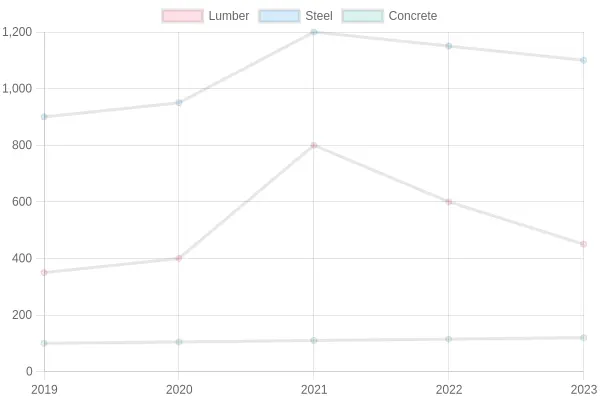
In recent years, the construction industry has faced notable fluctuations in material costs, influenced by various factors such as supply chain disruptions and increased demand. Here’s an overview of the average costs of key construction materials over the past five years:
Average Cost Trends
| Material | Year | Average Cost (per unit) | Year-on-Year Change |
|---|---|---|---|
| Lumber | 2019 | $350 | – |
| Lumber | 2020 | $400 | +14.3% |
| Lumber | 2021 | $800 | +100% |
| Lumber | 2022 | $600 | -25% |
| Lumber | 2023 | $450 | -25% |
| Steel | 2019 | $900 | – |
| Steel | 2020 | $950 | +5.6% |
| Steel | 2021 | $1,200 | +26.3% |
| Steel | 2022 | $1,150 | -4.2% |
| Steel | 2023 | $1,100 | -4.3% |
| Concrete | 2019 | $100 | – |
| Concrete | 2020 | $105 | +5% |
| Concrete | 2021 | $110 | +4.8% |
| Concrete | 2022 | $115 | +4.5% |
| Concrete | 2023 | $120 | +4.3% |
As observed, lumber prices peaked in 2021 but have since decreased significantly. Steel has also experienced ups and downs but remains relatively high overall. Concrete prices have seen consistent minor increases.
For further reading on the essentials of remodeling services, you can learn more here.
Consider this data as essential information for making informed decisions in your construction projects.
How to Choose the Right Construction Contractor
Selecting a construction contractor is a critical step for any business owner planning a construction project. The right contractor not only ensures quality work but also helps in executing the project within the stipulated time and budget. Here are some essential tips and criteria to consider:
1. Check Credentials
- Ensure that the contractor is licensed, insured, and bonded. Verified credentials protect you from potential liabilities in case of accidents or disasters that may occur during construction.
2. Review Past Projects
- Ask for a portfolio of the contractor’s prior work. Look for projects similar to yours to gauge their expertise. For instance, if you’re considering a kitchen renovation, check if they have successfully completed similar projects, potentially looking at resources like this ultimate guide to kitchen renovations.
- Contact past clients to hear firsthand about their experiences with the contractor and the quality of the finished product.
3. Get Multiple Quotes
- Always obtain at least three quotes from different contractors. This gives you a good range of cost estimates and allows you to compare the services offered.
- Be wary of significantly lower bids, as they may indicate a lack of quality or hidden costs.
4. Understand the Contract
- Review the contract carefully before signing. It should detail the scope of work, costs, timelines, and payment schedules.
- Ensure it includes warranties and guarantees for the work completed. Understanding your contract will protect you from unexpected costs later on.
5. Communication Skills
- Choose a contractor who communicates effectively. This is vital for project success as you will want to have updates and be able to share any concerns promptly.
- The contractor should be responsive to your queries and proactive in providing information on the project’s progress.
6. Ask About Subcontractors
- Inquire whether the contractor employs subcontractors and check their credentials as well. It’s essential to know who will be on your job site and their qualifications, as quality of work can vary between subcontractors.
7. Visit Current Job Sites
- If possible, visit a current job site of the contractor. This will help you evaluate their work ethic, organization, and cleanliness on-site. Observing how they manage their work can significantly influence your decision.
8. Look for Reviews and Ratings
- Research online platforms to check reviews and ratings of the contractor. Resources like HomeAdvisor and Angie’s List provide valuable insights from previous clients which can help frame your decision.
Conclusion
Taking the time to choose the right construction contractor can have significant long-term benefits for your project. By following these steps and ensuring thorough due diligence, you can minimize risks and maximize the chances of a successful construction project, allowing you to focus on what really matters-running your business effectively.
Suggested Blockquote
“Quality in construction is not just an option; it’s a necessity. A well-built home is synonymous with safety, durability, and long-term value.” – Hire your Expert
This quote encapsulates the essence of quality construction’s significance, reflecting the thoughts that industry leaders commonly share.
You can insert this blockquote into your article to enhance its authoritative tone regarding the importance of quality in home building.
Conclusion
In summary, the importance of investing in good home construction cannot be overstated for business owners navigating today’s competitive market. By focusing on sustainable and high-quality constructions, business owners can reap numerous benefits, including:
-
Economic Savings: Sustainable construction practices lead to reduced costs in utilities and maintenance. Such homes often qualify for tax incentives, translating to significant long-term savings. Additionally, energy-efficient homes generally appreciate in value, ensuring a good return on investment over time. Learn more about the economic benefits of sustainable construction.
-
Quality Assurance: Prioritizing quality in home building leads to improvements in durability and reductions in repair costs. Investment in well-constructed homes is essential for mitigating risks associated with lower insurance premiums and higher resale values, thereby enhancing the business’s financial health. For better insights on quality, visit The Importance of Quality in Home Building.
-
Attracting Talent: Providing high-quality homes boosts employee satisfaction and attracts top talent. It significantly impacts productivity and retention, showcasing a clear link between good housing and business performance. Explore how good homes boost business performance.
As we move into a new era of construction trends in 2023, it’s vital for business owners to stay updated on innovations and improvements in building techniques. This ensures that investments are made wisely and reflect current demands and expectations of potential homeowners.
Taking the next step is crucial: consider engaging with professional home construction services that align with your vision for quality and sustainability. Whether you’re looking to remodel, or build custom homes, now is the time to invest in transforming your spaces. Visit Rudenkoconstruction.com to explore our comprehensive services and begin your journey toward creating beautiful, sustainable homes that will secure your business’s future.