Importance of Quality in Home Construction
In the realm of fine home construction, the pursuit of quality is paramount. As John Ruskin aptly stated, “Quality is never an accident; it is always the result of intelligent effort.” This quote emphasizes that maintaining high standards in every aspect of construction not only assures customer satisfaction but also enhances the longevity and value of the home.
Business owners in the construction industry must prioritize quality over compromises that could lead to long-term issues. Whether through selecting the right materials or hiring skilled artisans, each decision contributes to the overall output and reputation of the business.
For those interested in transforming spaces through quality construction, learn more about our remodeling services and discover how we can bring your vision to life.
Top 5 Benefits of Fine Home Construction
Investing in fine home construction offers a plethora of benefits that can significantly enhance your living experience. Here are the top five advantages that stand out:
-
Enhanced Energy Efficiency
Fine home construction often incorporates energy-efficient materials and techniques. This not only reduces utility costs but also minimizes the environmental impact of the home. Higher energy efficiency attracts eco-conscious buyers, providing a competitive edge in the resale market. For more on energy efficiency, you can check out the Green Building Council. -
Superior Quality and Durability
Homes built with high-quality materials and craftsmanship promise greater durability. This reduces long-term maintenance costs and the need for repairs, allowing homeowners to enjoy their investment without frequent upkeep. Custom-built homes can include enhanced safety and resistant features, adding another layer of comfort and peace of mind. -
Increased Resale Value
Fine home construction often leads to higher resale values. Quality features and customization options appeal to buyers, potentially leading to competitive offers. Homes that are well-built and maintain their aesthetic appeal tend to attract more interest in the real estate market. Research shows that customization and quality construction can have a profound effect on resale values, making it a wise financial investment. -
Personalization and Customization
One of the greatest benefits of fine home construction is the ability to tailor the home to fit personal preferences. Homeowners can select layouts, finishes, and features that reflect their style and lifestyle. This level of personalization not only boosts homeowner satisfaction but also helps create spaces that truly feel like home. -
Long-Term Investment
Investing in a well-constructed home is not just about immediate benefits. Over time, quality homes tend to appreciate more favorably than those constructed with lower standards. This long-term investment can provide significant returns, whether through appreciation or rental income in the case of investment properties.
In conclusion, the decision to invest in fine home construction brings significant benefits that encompass efficiency, quality, and financial returns. For further information on remodeling and enhancing your living space, you can explore transforming your home essentials to understand how quality construction can improve property value.
Overview of the Fine Home Construction Process
Fine home construction is a meticulous process that involves several essential stages, each contributing significantly to the overall success of a project. It begins with planning and design, where architects and designers collaborate with clients to define the vision for the home, ensuring compliance with local zoning laws and building codes. This stage sets the foundation for a successful build because a well-thought-out plan can prevent costly changes later on. Once the design is finalized, the site preparation phase begins, where the land is cleared and prepared for construction, including any necessary demolition of existing structures.
Following site preparation, foundation work takes place. This is a critical stage where concrete is poured, ensuring the home has a solid base to support the structure. Next comes the framing phase where the home’s physical structure is built, including walls and roofs. This stage transforms plans into a tangible form, giving shape and volume to the design.
After framing, utilities installation is crucial, as it involves laying down the electrical, plumbing, and HVAC systems essential for modern living. Following this, insulation and drywall are added, which create the interior spaces and help regulate temperature and sound within the home. Finally, the finishing touches, including fixtures, flooring, and painting, are applied, bringing the home to life.
Each of these steps is interconnected, and overlooking any stage can lead to delays and increased costs. Thus, having a skilled team overseeing each phase is vital for ensuring that the project meets quality standards and client expectations. For more insights on home remodeling and construction, feel free to learn about essential remodeling services here and explore the ultimate guide to kitchen and bathroom renovations.
Comparative Table of Construction Materials
| Material | Cost (per sq ft) | Durability | Aesthetic Appeal |
|---|---|---|---|
| Wood | $3 – $15 | Moderate | Warm and natural, customizable finishes |
| Brick | $6 – $12 | High | Classic and timeless, variety of colors and textures |
| Steel | $8 – $20 | Very High | Modern and industrial look, versatile shapes |
Key Insights
- Cost: Wood is generally the least expensive, followed by brick and then steel, which is often the most costly.
- Durability: Steel offers the highest durability, making it ideal for structural applications, while brick also provides excellent longevity. Wood, although durable, may need more maintenance over time.
- Aesthetic Appeal: Wood is favored for its warmth and versatility in design, while brick is loved for its classic look. Steel, with its modern feel, is great for contemporary designs although it may not appeal to all architectural tastes.
These insights are essential for business owners in the construction industry considering material choices for fine home construction projects. If you’re looking to remodel or need comprehensive insights into constructions, consider exploring the essentials of remodeling services or the ultimate guide to renovation. This table offers a quick reference for evaluating the materials most suitable for your next construction project.
Sustainable Practices in Fine Home Construction
In the realm of fine home construction, sustainable practices are no longer just a trend; they have become a fundamental component that resonates with modern business owners and consumers alike. These practices not only contribute to environmental preservation but also enhance the value and appeal of homes, making them more marketable in today’s eco-conscious marketplace.
Benefits of Sustainable Practices
-
Cost Savings: One of the primary benefits of sustainable construction is the potential for significant cost savings. By utilizing energy-efficient systems and renewable resources, homeowners can substantially reduce their utility bills. For instance, energy-efficient appliances and solar panels may involve upfront costs but lead to long-term savings by decreasing energy consumption.
-
Higher Property Value: Homes built with sustainable materials and practices often command higher resale values. Buyers are increasingly seeking homes that reflect their values regarding sustainability and eco-friendliness. This trend is supported by findings from Green Building Advisor that indicate green buildings typically sell for higher prices, making sustainable practices a valuable investment for homebuilders.
-
Improved Indoor Air Quality: Incorporating sustainable materials not only benefits the environment but significantly improves indoor air quality. Natural materials and proper ventilation systems reduce harmful emissions, enhancing comfort and promoting health for occupants.
-
Consumer Loyalty and Brand Value: As noted in the Harvard Business Review, consumers are increasingly drawn to companies that demonstrate a commitment to sustainable practices. This shift in consumer behavior translates into increased loyalty and a stronger brand image, critical aspects of a successful business strategy.
-
Reduced Environmental Impact: Sustainable construction helps mitigate the environmental impact of building activities. By focusing on resource efficiency, waste reduction, and minimizing carbon footprints, construction companies can contribute positively to ecological sustainability, which is an essential consideration for many modern consumers.
Methods of Implementation
Here are a few effective methods to integrate sustainable practices in fine home construction:
- Energy-Efficient Design: Incorporate designs that maximize natural light and airflow, reducing the reliance on artificial heating and lighting. Orientation of the house can dramatically impact energy use, thus carefully planning this aspect can lead to significant energy conservation.
- Sustainable Materials: Use recycled, reclaimed, or sustainably sourced materials. For example, bamboo is a rapidly renewable resource that can replace traditional hardwoods and is gaining popularity in high-end construction.
- Advanced Technology: Leverage technology such as automated systems for heating, cooling, and lighting, which can be tailored to optimize energy usage based on occupancy.
- Water Conservation Systems: Implement systems such as low-flow fixtures, rainwater harvesting, and greywater recycling to reduce water consumption significantly. Such systems not only cut costs but also enhance the home’s appeal by demonstrating resourcefulness to prospective buyers.
Conclusion
In conclusion, sustainable practices in fine home construction offer multifaceted benefits including cost savings, enhanced property value, and improved consumer appeal. As the demand for eco-friendly homes continues to rise among consumers and developers, adopting these practices is not merely a choice; it’s a strategic imperative for those looking to thrive in today’s competitive market. For those interested in remodeling or constructing with these ideals in mind, learn more about our remodeling services and explore how we can help integrate sustainability into your projects.
Recent Trends Impacting Fine Home Construction in 2023
The world of fine home construction has seen significant changes in 2023, driven by evolving technology adoption and shifting consumer preferences. Here’s an overview of the key trends that are currently shaping the industry:
1. Sustainability and Eco-Friendly Practices
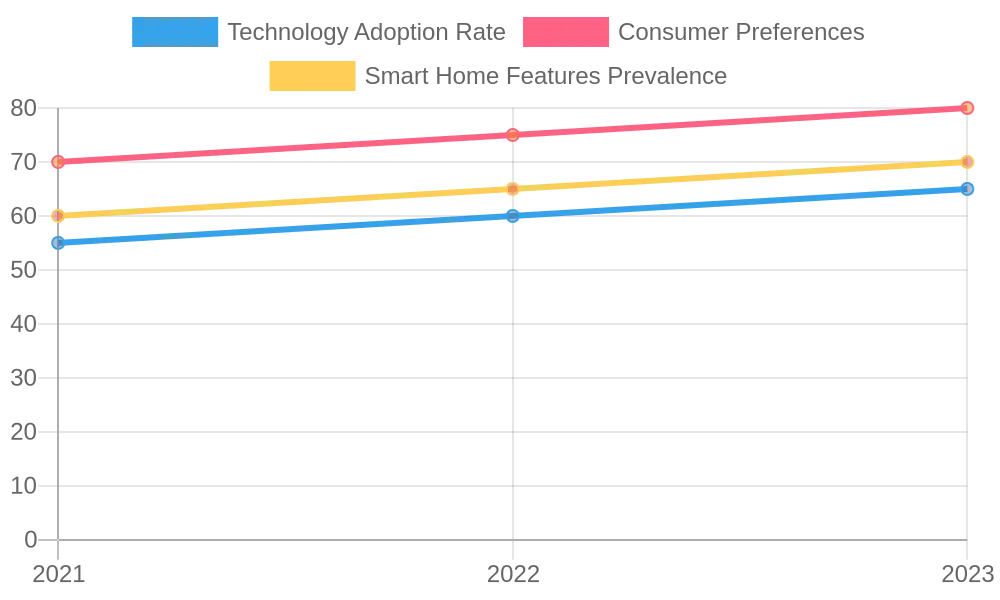
One of the most notable trends is the growing emphasis on sustainability. More luxury homebuyers are favoring eco-friendly materials and energy-efficient systems. According to recent studies, 80% of consumers expressed a preference for sustainable building practices, which is a notable increase from previous years.
2. Technology Integration
The integration of advanced technologies into home construction has become increasingly mainstream. The adoption rate of smart home technologies has reached 65% as homeowners seek automation features that enhance security, energy management, and overall convenience. Features such as climate control automation and integrated security systems are now considered standard in many luxury builds.
3. Smaller, Multi-Functional Spaces
Consumer preferences have shifted towards smaller yet multi-functional spaces that emphasize luxury in functionality. Homeowners are looking for luxurious details in compact areas, driven by affordability and urban living conditions. This trend reflects a need for practical designs that still embrace elegance and comfort.
4. Aesthetic Appeal with Technological Enhancements
Modern luxury homes are characterized by their seamless integration of aesthetics and technology. Homeowners now expect high-quality materials, stunning visual designs, and technological features that provide a superior living experience. As per reports, 70% of luxury homebuyers expressed a desire for homes equipped with smart technologies.
5. The Rise of Smart Home Features
Consumer interest in smart home features continues to grow. Not only do these features offer convenience, but they also enhance home security and energy efficiency, aligning with the sustainable preferences of today’s buyers. A significant portion of buyers is prioritizing advanced home automation systems, reflecting a shift in how homes are designed and constructed.
Conclusion
In conclusion, fine home construction in 2023 is heavily influenced by sustainability, advanced technology, and changing consumer preferences. Businesses involved in this sector should align their practices with these trends to meet the evolving demands of homebuyers. To learn more about transforming your space with expert remodeling services, check out our insights.
Understanding Construction Costs: Trends Over The Last Decade
Construction costs have been on the rise over the last decade, influenced by various factors such as material expenses, labor shortages, and economic fluctuations. This chart provides an insightful look at the trends in average construction costs from 2013 to 2023, helping business owners in fine home construction to navigate the changing landscape effectively.
Construction Costs Over the Last Decade
Key Trends and Implications for Business Owners
- Rising Material Costs: The costs of materials, which represent a significant portion of overall construction expenses, have shown an upward trend, affecting overall project budgets.
- Labor Market Challenges: Labor shortages have contributed to higher labor costs, exacerbating the financial pressures faced by construction firms.
- Economic Factors: Interest rates and inflation have also played pivotal roles in shaping construction costs, leading to increased uncertainty for business owners.
Understanding these trends is essential for strategic planning and budgeting in fine home construction projects and can aid in decision-making about pricing and investments. To learn more about renovating your home effectively, check out our remodeling services guide or discover kitchen and bathroom renovations.
Fine Home Construction Examples
In the realm of fine home construction, diverse styles and features define the luxurious experience. Below are a collection of high-end home construction examples, showcasing the various architectural styles.
Architectural Styles
| Style/Feature | Description | Source URL |
|---|---|---|
| Contemporary | Sleek lines, open spaces, and large windows. | Fine Group |
| Traditional | Classic designs with ornate details. | [FINE |
| Modern | Minimalistic aesthetics with functional design. | FINE Definition – Merriam-Webster |
| Craftsman | Handcrafted details, natural materials. | GovPay |
| Colonial | Symmetrical layouts and grand entryways. | Self Exploration Academy |
| Mediterranean | Stucco exteriors and tile roofs. | Fine Mart |
| Rustic | Natural elements and earthy colors. | Kyle Hume – Fine (Lyrics) |
| Art Deco | Glamorous materials and bold shapes. | Fine Spirits |
| Industrial | Raw materials and unfinished surfaces. | [FINE Definition |
| Eco-friendly | Sustainable materials and green technology. | Finez – Furniture Sri Lanka |
Visual Representation
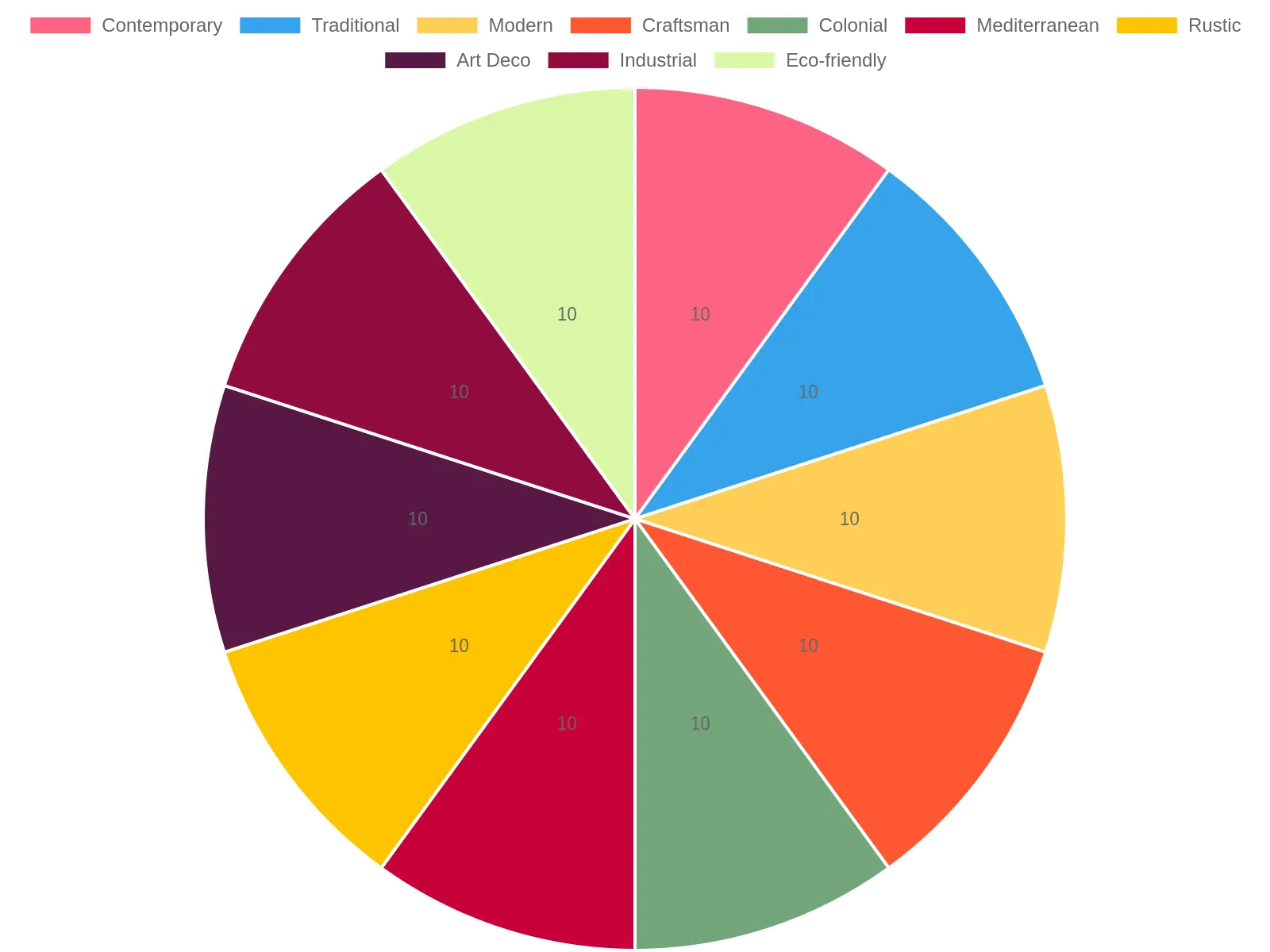
This chart illustrates the distribution of various high-end architectural styles and features, showcasing the significance of each in the realm of fine home construction.
Conclusion: Invest in Fine Home Construction
In conclusion, fine home construction offers numerous advantages that appeal to forward-thinking business owners. Investing in high-quality construction not only enhances the aesthetic appeal of properties but also significantly adds to their market value. As we have discussed, some key benefits include superior craftsmanship, longevity, and energy efficiency-all essential attributes that lead to satisfying living environments and enhanced property values.
Moreover, the demand for luxurious and well-constructed homes continues to rise, driven by a discerning clientele seeking quality over quantity. The investment in fine home construction provides stability and security, making it a prudent choice in an ever-evolving real estate market. As homeowners increasingly prioritize comfort, style, and sustainability, investing in fine construction becomes a pathway to meeting these expectations while also yielding a strong return on investment.
If you are looking to embark on your next construction project, we are here to help you every step of the way. At Rudenco Construction, we are committed to delivering exceptional craftsmanship and innovative designs tailored to your unique vision. Don’t wait-contact us today to discuss how we can turn your dream home into a reality!