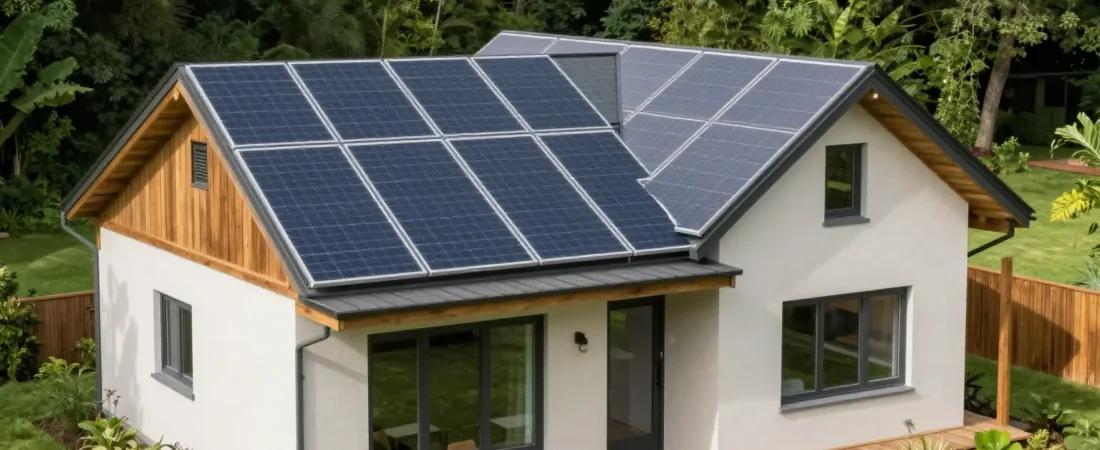
Introduction to Residential House Construction
Residential house construction is a critical component of the real estate market and an essential venture for business owners seeking new opportunities. The construction of homes not only fulfills the demand for shelter, but it also plays a vital role in boosting local economies and creating jobs. For business owners, understanding trends in residential construction can mean the difference between success and stagnation, particularly in regions where housing demand is high. This article will delve into the nuances of residential house construction, exploring its significance, current market trends, and innovative practices shaping the future of building.
As we journey through this article, we’ll highlight how advancements in technology and sustainable practices are paving the way for modern construction solutions. Moreover, for those interested in remodeling or enhancing existing properties, learn more about essential remodeling services that add value to your investment. Let’s explore the world of residential construction and discover how you can leverage these insights to maximize your business potential.
Key Trends in Residential Construction for Business Owners
As we look toward the future of residential construction, several emerging trends are shaping the landscape, presenting both opportunities and challenges for business owners. Here are the key trends to watch in 2023:
1. Emphasis on Sustainability
Sustainability has moved from a niche consideration to a central theme in residential construction. Homeowners and builders are increasingly focused on eco-friendly materials and practices. This shift is driven not only by consumer preference but also by regulatory demands. Building companies that adopt sustainable practices can not only appeal to environmentally conscious customers but also potentially reduce operational costs in the long run. These sustainable practices include:
- The use of recycled materials
- Energy-efficient designs and appliances
- Incorporating renewable energy sources into new builds
2. Integration of Technology
The integration of advanced technologies is becoming a significant trend in construction practices. Smart homes equipped with Internet of Things (IoT) technologies allow homeowners to control various aspects of home energy management remotely. This trend reflects a growing consumer preference for convenience, security, and energy savings. For business owners in the construction industry, investing in technology training for staff can pay dividends as this demand grows.
This integration includes:
- Automated lighting and HVAC systems
- Smart security systems
- Energy monitoring and control devices
3. Energy Efficiency Focus
The ongoing rise in energy costs has hastened the demand for energy-efficient homes. Builders are now incorporating features like higher insulation values, efficient HVAC systems, and energy-efficient windows. Not only do these features help homeowners save on utility bills, but they also reduce the overall environmental footprint of the home.
4. Demand for Flexible Spaces
Homebuyers today are looking for flexibility in their living spaces. The pandemic has heightened awareness of the need for multifunctional areas that can adapt to remote work, exercise, and leisure. Business owners should consider designing homes with these versatile spaces, which may include:
- Open-concept layouts
- Dedicated home offices
- Outdoor living areas that extend the usable space of the home
5. Shift Towards Local Materials
The trend of using locally sourced materials has gained momentum as homeowners become more aware of their carbon footprints. This localized approach not only supports regional economies but also minimizes transportation emissions. Builders who prioritize local materials can differentiate themselves in a crowded market.
Implications for Business Owners
These trends indicate a substantial shift in the residential construction industry. Adapting to these changes can foster growth and position businesses favorably in the market. Business owners should consider:
- Upgrading their skill sets on sustainable building practices
- Investing in technology and training for staff
- Collaborating with local suppliers to reduce costs and environmental impact
- Emphasizing flexible designs to meet evolving consumer preferences
In conclusion, the future of residential construction looks vibrant but demands that business owners stay informed and agile. By embracing these trends, companies can not only enhance their operational efficiency but also better align with consumer expectations and environmental responsibilities.
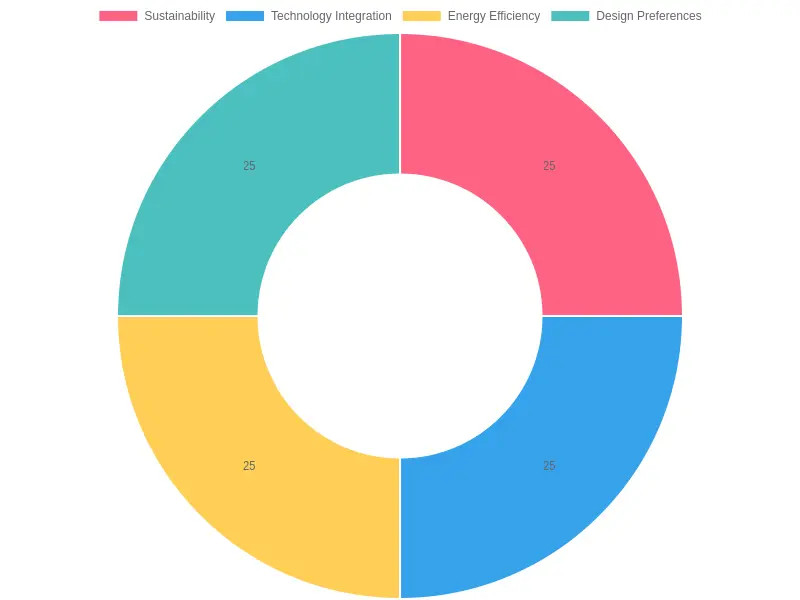
Further Reading
If you’re interested in more in-depth insights, check out our article on sustainable building practices and how technology is reshaping the industry with smart home solutions.
Comparison of Construction Materials: Wood, Steel, and Concrete
When constructing residential homes, it’s essential to understand the different materials available and their respective benefits and costs. Below is a comparison of three commonly used construction materials: wood, steel, and concrete.
| Material | Typical Cost | Benefits |
|---|---|---|
| Wood | $4 – $8 per board foot (for softwood) | – Renewable resource – Excellent insulation properties – Lightweight and easy to handle – Aesthetic appeal – Easily modified during construction |
| Steel | $1,000 – $1,500 per ton | – High strength-to-weight ratio – Fire, pest, and mold resistant – Recyclable – Enables faster construction through prefabrication |
| Concrete | $120 – $150 per cubic yard | – Highly durable – Excellent compressive strength – Suitable for load-bearing structures – Can endure harsh weather conditions |
Benefits of Each Material
- Wood: Known for its insulation, aesthetics, and ease of modification, wood is an attractive option for residential construction.
- Steel: Offers immense strength and durability, making it a preferred choice for structural components. Its fire resistance and recyclability also contribute to sustainable construction practices.
- Concrete: Its durability and load-bearing capacity make concrete a fundamental material in construction. Moreover, it can be formulated for specific needs, enhancing performance in various conditions.
Using a combination of these materials can optimize construction efficiency, aesthetics, and longer-term sustainability for residential building projects.
For more information on remodeling options and services, you can learn more about the essentials of remodeling services or explore home builders in Oahu.
The Importance of Budgeting in Residential Construction Projects
In the competitive landscape of residential construction, effective budgeting and financial planning stand as pillars of successful project execution. For business owners, mastering these components is crucial to streamline operations, ensure profitability, and uphold project timelines. Here’s a closer look at why budgeting is essential in residential construction projects.
Mitigating Financial Risks
One of the primary advantages of budgeting in construction is its role in mitigating financial risks. A well-structured budget helps owners to:
- Identify potential cost overruns: By anticipating areas where costs may exceed estimates, owners can implement strategies to remain within budget.
- Control cash flow: Construction projects often have varying expenses at different stages. Budgeting allows owners to forecast cash requirements, ensuring cash flow is maintained throughout the project lifecycle.
This financial foresight prevents sudden shortfalls that can disrupt project progress. An effective budget also allows for an emergency fund to handle unexpected expenses, further safeguarding project completion.
Resource Allocation Efficiency
For effective project management, resource allocation is vital. Budgeting enables construction business owners to :
- Allocate resources wisely: By clearly defining budget lines for various project components, business owners can ensure that essential areas such as material purchases, labor, and permits have the necessary funding.
- Optimize utilization: Budgeting encourages owners to assess project needs critically, encouraging efficient use of labor and materials. This reduces waste and maximizes value.
Enhancing Strategic Decision Making
In the dynamic world of construction, having accurate financial data aids strategic decision-making. Here’s how budgeting contributes:
- Informed planning: A detailed budget provides valuable insights into project feasibility. Business owners can make better choices regarding project scope and timelines.
- Benchmarking: Budgets create benchmarks for performance evaluation. Owners can compare actual expenses against budgeted amounts, allowing for more accurate performance reviews.
Facilitating Communication
Budgeting also plays a vital role in enhancing communication among stakeholders:
- Transparency: A detailed budget document fosters transparency with clients, investors, and subcontractors. It ensures everyone has clarity on financial expectations and responsibilities, reducing miscommunication.
- Negotiation: When budgetary constraints are clear, negotiations with suppliers and subcontractors can be handled more effectively.
Conclusion
In conclusion, effective budgeting and financial planning are not merely administrative tasks; they ensure the success and profitability of residential construction projects. By prioritizing budget management, construction business owners can mitigate risks, optimize resource allocation, enhance strategic decision-making, and improve communication with all stakeholders.
For more insights into managing your construction projects, consider exploring our guide to remodeling services or check our ultimate guide to renovations.
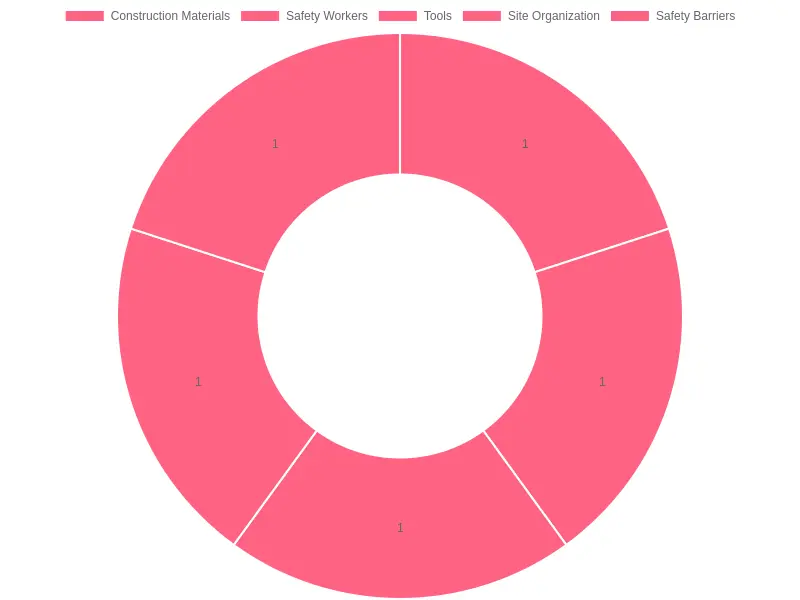
This image depicts a typical residential construction site, emphasizing site organization and safety, featuring safety workers wearing helmets, organized tools, and safety barriers to ensure a secure working environment.
Key Regulations and Permits Required for Residential Construction
Embarking on a residential construction project requires a deep understanding of various regulations and permits that ensure safety, compliance, and legality. For business owners in the construction sector, being well-versed in these requirements is crucial to the success of any construction undertaking. Below, we summarize key regulations and permits applicable to residential construction.
1. Building Permits
Building permits are essential legal documents that authorize the construction, renovation, or alteration of a residential property. These permits typically ensure the project complies with local zoning laws, building codes, and safety regulations. Key points include:
- Application Process: Builders must submit detailed plans alongside the application, outlining the scope of the project and the materials to be used.
- Approval Requirements: Local building departments, such as those in cities like Chicago, provide regulations specific to their area. For example, City of Chicago outlines express permits and self-certification options.
- Inspections: After obtaining a permit, inspections are commonly required at various stages to ensure compliance with safety standards.
2. Zoning Regulations
Zoning regulations govern land use and dictate what types of structures can be built in specific areas. Understanding the local zoning laws is essential for:
- Permitted Uses: Identifying whether the intended residential construction is permitted in the selected zone (residential, commercial, etc.).
- Setback and Height Restrictions: Regulations often specify how far structures must be from property lines and their maximum height, impacting the design.
- Variances and Conditional Use Permits: Occasionally, a builder may request a variance if the project does not conform to zoning regulations, requiring additional approval processes.
3. Environmental Regulations
Depending on the location, builders may need to consider environmental regulations protecting local ecosystems and ensuring sustainable practices. Important considerations include:
- Environmental Impact Assessments (EIAs): Required for larger projects to assess potential environmental effects.
- Stormwater Management: Regulations often exist on how construction sites manage stormwater runoff, especially in flood-prone areas.
4. Health and Safety Regulations
The health and safety of construction workers and future occupants are paramount. Compliance with health standards can involve:
- Occupational Safety and Health Administration (OSHA) Regulations: Cover worker safety requirements on construction sites, including safety training and equipment.
- Building Codes: Local building codes must be adhered to, governing structural integrity, fire safety, and health standards.
5. Historical Preservation Laws
In certain areas, especially those with historical significance, construction may be subject to additional regulations to preserve historical integrity. Builders must:
- Consult with Local Historical Societies: Before beginning any project in designated historic districts, builders should discuss their plans with historic preservation boards.
- Obtain Special Permits: Certain renovations or rebuilds may require special permits to ensure compliance with preservation laws.
Conclusion
For business owners in the residential construction industry, navigating the complex web of regulations and permits is vital for project success. Compliance not only facilitates smoother operations but also protects against costly delays and legal repercussions. For more insights into home remodeling services, consider reading this guide on transforming your home.
Staying informed about local regulations and engaging with relevant departments ensures that each construction project proceeds legally and safely. Overall, effective planning and adherence to these construction regulations will lead to successful project completions and satisfied homeowners.
Quality in residential construction ensures longevity and safety, enhancing homeowner satisfaction and property value. Investing in high-quality materials and skilled craftsmanship prevents costly repairs and renovations, ultimately saving time and money.
Typical Timelines for Residential Construction Projects
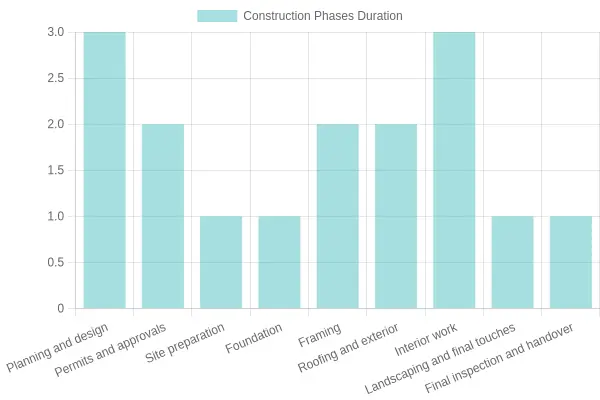
Understanding the timelines associated with residential construction projects can help business owners effectively plan and manage their schedules and budgets. Here’s a breakdown of the typical phases involved in constructing a residential home:
Construction Phases Duration
| Phase | Duration |
|---|---|
| Planning and design | 1 – 3 months |
| Permits and approvals | 1 – 2 months |
| Site preparation | 1 month |
| Foundation | 1 month |
| Framing | 1 – 2 months |
| Roofing and exterior | 1 – 2 months |
| Interior work | 2 – 3 months |
| Landscaping and final touches | 1 month |
| Final inspection and handover | 1 month |
This chart provides a visual representation of the duration of each phase:
Learn more about home renovation services and how you can ensure a smooth construction process.
Conclusion: Key Takeaways for Your Residential Construction Project
In summary, successful residential house construction hinges on several interrelated elements that business owners must consider. Firstly, keeping abreast of the latest trends in residential construction is crucial. According to various sources, notable trends for 2023 include a strong emphasis on sustainability, energy efficiency, and the integration of smart technologies. These advancements not only enhance the functionality of homes but also align with consumer preferences for eco-friendly options and modern conveniences. For an in-depth look at these trends, you can check out articles such as 5 Major Trends in Residential Construction in 2023 and Top Residential Construction Trends for 2023.
Secondly, it’s imperative for business owners to invest time in understanding key considerations like project budgeting, timelines, and quality control. Adequate planning and adhering to best practices can significantly reduce unforeseen issues and enhance overall project efficiency.
Lastly, collaboration with experienced professionals and contractors can make all the difference in executing your vision flawlessly. Utilizing expert insights, which you can find on our remodeling services page like transforming your space with expert home remodeling services, will ensure your project meets both aesthetic and functional goals.
Encouraging a forward-thinking approach and integrating these considerations into your project planning can yield a rewarding outcome. As you embark on your residential construction journey, keep these key takeaways in mind to lead your project toward success and satisfy the needs of modern homeowners.
Selecting Reliable Subcontractors for Residential Construction
Selecting reliable subcontractors is crucial to ensuring that residential construction projects are completed on time, within budget, and to the specified quality standards. Here are key criteria to consider when evaluating potential subcontractors:
1. Experience
- Importance: A subcontractor’s experience has a significant impact on their ability to handle the complexities of a project. Look for subcontractors who have worked on similar residential projects and have a proven track record.
- How It Impacts Success: Experienced subcontractors are more adept at anticipating issues and finding solutions, leading to fewer delays and cost overruns.
2. Safety Records
- Importance: Safety must be a top priority in construction. Review the safety records of potential subcontractors to ensure they adhere to industry standards.
- How It Impacts Success: Subcontractors with strong safety records reduce the risk of accidents, which can lead to project delays and increased costs. This also promotes a positive work environment, benefiting everyone involved.
3. Communication Skills
- Importance: Effective communication is essential for a successful construction project. Subcontractors should be capable of clearly articulating plans and responding to changes swiftly.
- How It Impacts Success: Miscommunications can lead to errors and conflicts that affect project timelines and outcomes.
4. Project Fit
- Importance: Assessing whether the subcontractor’s skills and experiences align with your specific project requirements is crucial.
- How It Impacts Success: The right subcontractor contributes significantly to the seamless execution of the project, ensuring that each task is completed correctly and efficiently.
5. Cost
- Importance: While cost shouldn’t be the only criterion, it is still a significant factor. Ensure you have a clear understanding of all costs involved, including potential hidden fees.
- How It Impacts Success: Choosing a subcontractor based solely on cost can lead to compromises in quality and performance, resulting in higher expenses over the project’s lifespan.
| criterion | Importance Level | ||
|---|---|---|---|
| Experience | High | ||
| Safety Records | High | ||
| Communication | Medium | ||
| Project Fit | Medium | ||
| Cost | Medium |
Impact on Project Success
The selection of reliable subcontractors also greatly influences several aspects of project success:
- On-time Completion: Reliable subcontractors help ensure that projects are completed on time, minimizing unexpected delays.
- Budget Adherence: Good management leads to projects staying within budget, mitigating financial stress.
- Quality of Work: Skilled subcontractors contribute to the overall quality of the finished construction, leading to durability and client satisfaction.
- Safety Records: Quality subcontractors will have robust safety practices, significantly reducing accident rates and enhancing overall project safety.
- Client Satisfaction: Positive experiences with subcontractors often lead to higher satisfaction rates, which can result in repeat business and referrals.
Here are some of the factors and their impact on subcontractor management:
| Factor | Description |
|---|---|
| On-time Completion | Reliable subcontractors help ensure projects are completed on schedule, reducing delays. |
| Budget Adherence | Effective management of subcontractors contributes to staying within budget. |
| Quality of Work | Selection of skilled subcontractors impacts the quality of work done on construction. |
| Safety Records | Subcontractors with strong safety records mitigate risks and enhance overall project safety. |
| Client Satisfaction | Positive experiences with reliable subcontractors lead to higher client satisfaction. |
Selecting the right subcontractors not only contributes to the immediate success of a project but can also have long-term benefits for business owners looking to build a reputation for quality and reliability in residential construction. For further insights, you can learn more about remodeling services or explore the ultimate guide to renovation for your construction needs.