Introduction
In the fiercely competitive housing market, business owners must recognize that the construction techniques they choose can make or break their success. The right choices resonate not just in the foundation of a home but ripple through to the very satisfaction of future homeowners. Selecting effective construction methods isn’t just about bricks and mortar-it’s about understanding the emotional landscape of your clients. Buyers today are looking for more than just a shelter; they crave comfort, efficiency, and sustainability. Integrating innovative design and building practices not only enhances property appeal but also boosts marketability and longevity. As the landscape of home construction evolves, staying ahead of trends and preferences is essential. In this article, we will explore contemporary home construction techniques that can elevate your business, and secure your place as a leader in the housing industry. Learn more about essential remodeling services and how they can complement your new builds.
Top Home Construction Methods
When considering home construction, various methods exist that cater to different preferences and requirements. Here are five of the top construction methods, including their advantages and ideal use cases:
1. Timber Frame Construction
- Description: This method employs a wooden framework as the primary structural support, typically involving a system of large timber beams and posts.
- Advantages:
- Sustainability: Wood is a renewable resource, making it an eco-friendly choice.
- Energy Efficiency: Timber offers better insulation properties compared to other materials.
- Quick Assembly: Components can often be prefabricated, speeding up the construction process.
- Use Cases: Ideal for residential homes, eco-friendly projects, and regions with mild weather.
Learn more about transforming your home with stunning remodeling services.
2. Steel Frame Construction
- Description: Steel framing uses a skeleton of steel columns and beams that supports the structure, often favored in commercial buildings but increasingly seen in residential homes.
- Advantages:
- Strength and Durability: Steel is resistant to factors like pests and mold, ensuring long-term performance.
- Design Flexibility: Can accommodate larger open spaces due to inherent strength.
- Fire Resistance: Steel frames are non-combustible, increasing fire safety.
- Use Cases: Suitable for modern urban homes, multi-family units, and industrial-style residences.
3. Concrete Block Construction
- Description: This method utilizes concrete masonry units (CMUs) to create strong, durable walls that are often reinforced with steel.
- Advantages:
- Thermal Mass: Concrete retains heat and coolness, improving energy efficiency.
- Noise Reduction: Excellent sound-proofing capabilities due to mass.
- Hurricane-Resistant: Provides significant structural integrity against storms.
- Use Cases: Popular in coastal areas and regions prone to severe weather.
Check our services on home renovation groups.
4. Modular Construction
- Description: Built in sections or “modules” in a factory setting, which are then transported and assembled on-site.
- Advantages:
- Speed: Construction time is drastically reduced, often completed in weeks.
- Quality Control: Manufacturing in a controlled environment leads to higher quality standards.
- Flexibility in Design: Various features can be integrated during the build process.
- Use Cases: Great for affordable housing, temporary developments, and urban projects.
5. Barndominium Construction
- Description: A blend of a barn and a condominium, this style features a metal or wood frame with a residential interior, blending traditional and modern aesthetics.
- Advantages:
- Affordability: Generally less expensive to build due to lower material costs and efficient construction.
- Versatile Spaces: Offers expansive layouts and open floor plans suitable for various needs.
- Aesthetic Flexibility: Unique customizability allowing for distinct looks.
- Use Cases: Ideal for rural settings, hobby farms, and individuals seeking a unique living space.
These construction methods cater to diverse needs, budgets, and environmental considerations, offering various pathways to your perfect home.
Recent Trends in Home Construction for Business Owners
As we progress through 2023, home construction is witnessing several significant trends that can directly impact business owners in the sector. This summary highlights key insights into the latest developments, innovations, and market conditions that are shaping the future of residential construction.
1. Rise of Sustainability in Building Practices
Sustainability remains a paramount focus within the construction industry. Recent reports indicate that builders are increasingly adopting green building practices, which include:
- Sustainable Materials: More projects are integrating eco-friendly materials, including recycled steel, sustainable timber, and low-VOC products.
- Energy Efficiency: Homes are now designed with energy efficiency in mind, utilizing high-performance insulation and energy-efficient appliances.
Investing in sustainable techniques not only appeals to environmentally conscious consumers but also benefits developers through government incentives and cost savings in energy consumption. To explore more about sustainable remodeling, consider our guide on transforming your space.
2. Smart Home Integration
Smart technology continues to transform how new homes are constructed. Homeowners are increasingly looking for:
- Full Home Automation: This includes systems for lighting, HVAC, and security that can be controlled via smartphones.
- Connectivity Enhancements: Infrastructure like Cat 6 wiring is being integrated during construction to support advanced smart home devices.
The emphasis on smart homes is not only a response to consumer demand but also a competitive advantage for builders who are up-to-date with tech trends. Research highlights how smart installations can boost property values and attract potential buyers. For more insights, see our article on how smart home installations can enhance property sales.
3. Shifting Design Preferences
Homeowners’ preferences are evolving, moving away from the previously popular open-floor plans to designs that incorporate:
- Privacy and Storage Solutions: Interest in more compartmentalized living spaces is on the rise, reflecting a desire for privacy.
- Biophilic Design Elements: Incorporating nature directly into the design, such as indoor plants and natural light, is a growing trend that enhances mental well-being.
4. Market Performance and Economic Challenges
Despite challenges posed by rising interest rates, which have increased the median price of new construction homes to $434,700, the demand for homes persists. In 2023, U.S. single-family housing starts reached 954,000 units, reflecting a 1.2% increase over previous years. This trend indicates a resilient market responding to ongoing demand despite economic fluctuations.
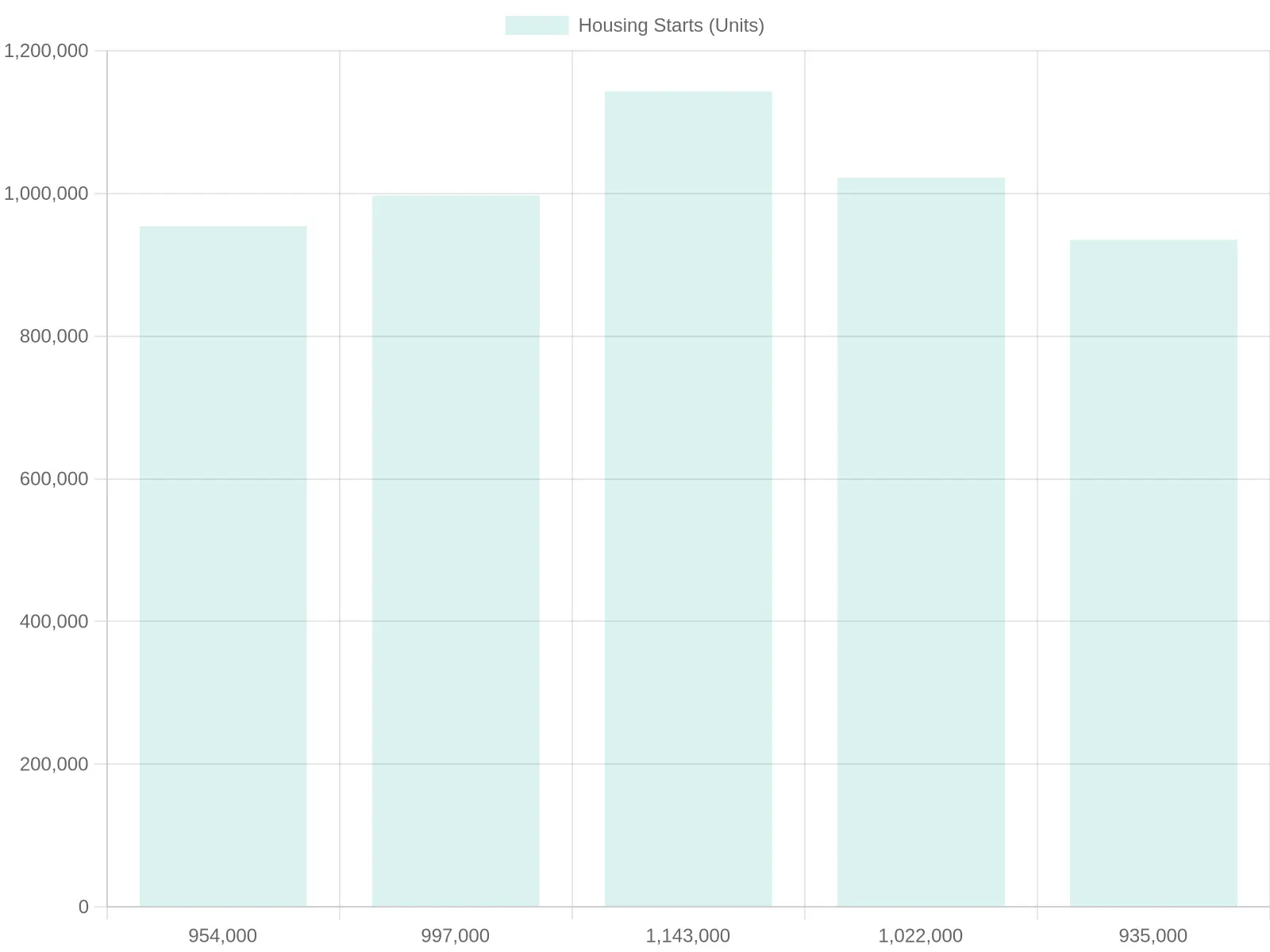
Housing Starts in 2023
Sources: AOL | Electrical Marketing
5. Opportunities for Growth
The construction industry is set for significant growth opportunities among market players who can adapt to consumer preferences, adopt sustainable practices, and integrate technology into new homes. Emerging markets are particularly attractive for expansion, given current trends and consumer demands.
Conclusion
As these trends unfold, business owners in the home construction industry must stay informed and agile to capitalize on new opportunities while addressing the challenges posed by economic uncertainties and changing consumer preferences. Staying updated with the latest innovations and market shifts will be crucial for future success.
For a deeper look into remodeling and construction solutions, visit our insights on home remodeling essentials.
| Material | Properties | Average Cost per Unit (USD) | Ideal Use Cases |
|---|---|---|---|
| Concrete | Strong, durable, fire-resistant, good thermal mass | $100 per cubic yard | Foundations, walls, floors, driveways |
| Steel | High strength-to-weight ratio, resistant to extreme weather, low maintenance | $750 per ton | Commercial buildings, industrial structures |
| Wood | Natural, lightweight, good insulation, easy to work with | $3 per board foot | Residential framing, cabinetry, furniture |
| Brick | Durable, low-maintenance, fire-resistant, decent thermal mass | $400 per thousand bricks | Exterior walls, driveways, fireplaces |
| Fiberglass | Lightweight, moldable, resistant to chemicals and moisture | $10 to $50 per square foot | Roofing, insulation, siding in humid environments |
Additional Insights
- Concrete is favored for its strength and durability, making it ideal for foundational work.
- Steel framing is becoming increasingly popular in commercial buildings due to its robustness.
- Wood offers versatility and is widely used in residential construction, appealing for its aesthetic properties.
- Brick is known for its thermal mass and longevity, suitable for various outdoor applications.
- Fiberglass is gaining traction in environments where exposure to moisture and chemicals is common, thanks to its resistance properties.
For more information on various remodeling services and their implications in construction, you can learn more about the essentials of remodeling services and consider approaches for transforming spaces with expert home remodeling services.
Homebuilding Cost Trends (2019-2023)
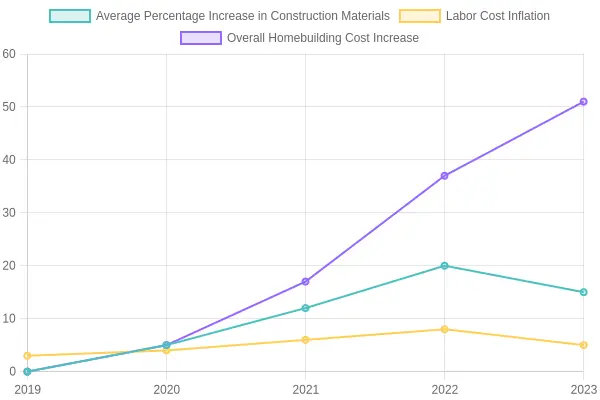
Home construction costs have seen significant fluctuations over the past five years, particularly influenced by material shortages and labor inflation. Below is a chart illustrating the trends in home construction costs, which is essential for business owners in the construction industry to understand.
Chart: Homebuilding Cost Trends (2019-2023)
In summary, the following key trends are evidenced:
- Average Percentage Increase in Construction Materials: Grew significantly, peaking in 2022 at 20%.
- Labor Cost Inflation: Exhibited incremental increases with some fluctuation, ultimately decreasing to 5% in 2023.
- Overall Homebuilding Cost Increase: An alarming 51% inflation since the pandemic began, indicating a substantial challenge for new projects.
For more information on remodeling services that can aid in navigating these costs, check out our essentials of remodeling services.
The Importance of Sustainability in Home Construction
Sustainable construction practices are increasingly becoming a priority in the home building industry. As awareness of climate change and environmental degradation grows, business owners must recognize the role they play in creating a sustainable future. Implementing eco-friendly practices not only benefits the environment but can also enhance a company’s reputation and bottom line.
Why Emphasize Sustainability?
Sustainable home construction focuses on minimizing the negative impact on the environment while maximizing the use of renewable resources. Here are several key reasons why sustainability is essential in home construction:
- Environmental Impact: Traditional construction methods often lead to significant waste and pollution. Sustainable practices aim to reduce carbon footprints by limiting energy consumption and utilizing eco-friendly materials.
- Cost-Effectiveness: While initial costs of sustainable materials may be higher, they typically result in lower long-term expenses due to reduced energy bills and maintenance costs. According to a study by Shear Architectural Design, eco-friendly houses can lead to savings in energy consumption, significantly cutting costs over time (source).
- Health Benefits: Sustainable methods often employ non-toxic materials which contribute to healthier indoor environments. This leads to better air quality and overall well-being for occupants, reflecting positively on your brand’s image.
Eco-Friendly Materials and Techniques
Business owners looking to enhance their construction projects can consider the following eco-friendly materials and techniques:
- Sustainable Building Materials: These include bamboo, reclaimed wood, and recycled steel, which not only lessen the demand for new raw materials but also reduce waste. Using these materials supports a circular economy and minimizes landfill use.
- Energy-Efficient Systems: Incorporating solar panels, energy-efficient HVAC systems, and geothermal heating can drastically reduce energy costs and reliance on fossil fuels. Renewable energy technologies are increasingly accessible and can be a selling point for potential homeowners.
- Green Roofs and Insulation: Installing green roofs can provide insulation, reduce heat absorption, and manage stormwater run-off while enhancing biodiversity. Furthermore, using eco-friendly insulation materials like cellulose, sheep’s wool, or recycled denim can improve energy efficiency inside the home.
- Water Conservation Techniques: Implementing rainwater harvesting systems and low-flow plumbing fixtures can significantly lower water usage. This not only conserves a precious resource but can also appeal to eco-conscious consumers.
Innovative Techniques for Sustainable Construction
Investing in modern construction techniques can further support sustainable practices. Some of these innovations include:
- 3D Printing: This technology reduces material waste and construction duration. Early adopters have noticed a significant reduction in labor and resources required, making it an efficient alternative.
- Modular Construction: Prefabricated modules can be manufactured off-site and assembled on location, which minimizes environmental disruption and waste plastic usage on sites.
- Smart Technology: The integration of smart home technology makes it easier for homeowners to monitor energy consumption and manage systems effectively, contributing to an overall reduction in usage.
Conclusion
Incorporating sustainable practices into home construction is not merely a trend but a necessary shift towards a more responsible approach to building. By embracing eco-friendly materials and techniques, builders can not only reduce their environmental footprint but also enhance the marketability of their homes. For business owners, adopting these practices reflects a commitment to sustainability that resonates with today’s environmentally conscious consumers.
Learn more about transforming your space with expert home remodeling services.
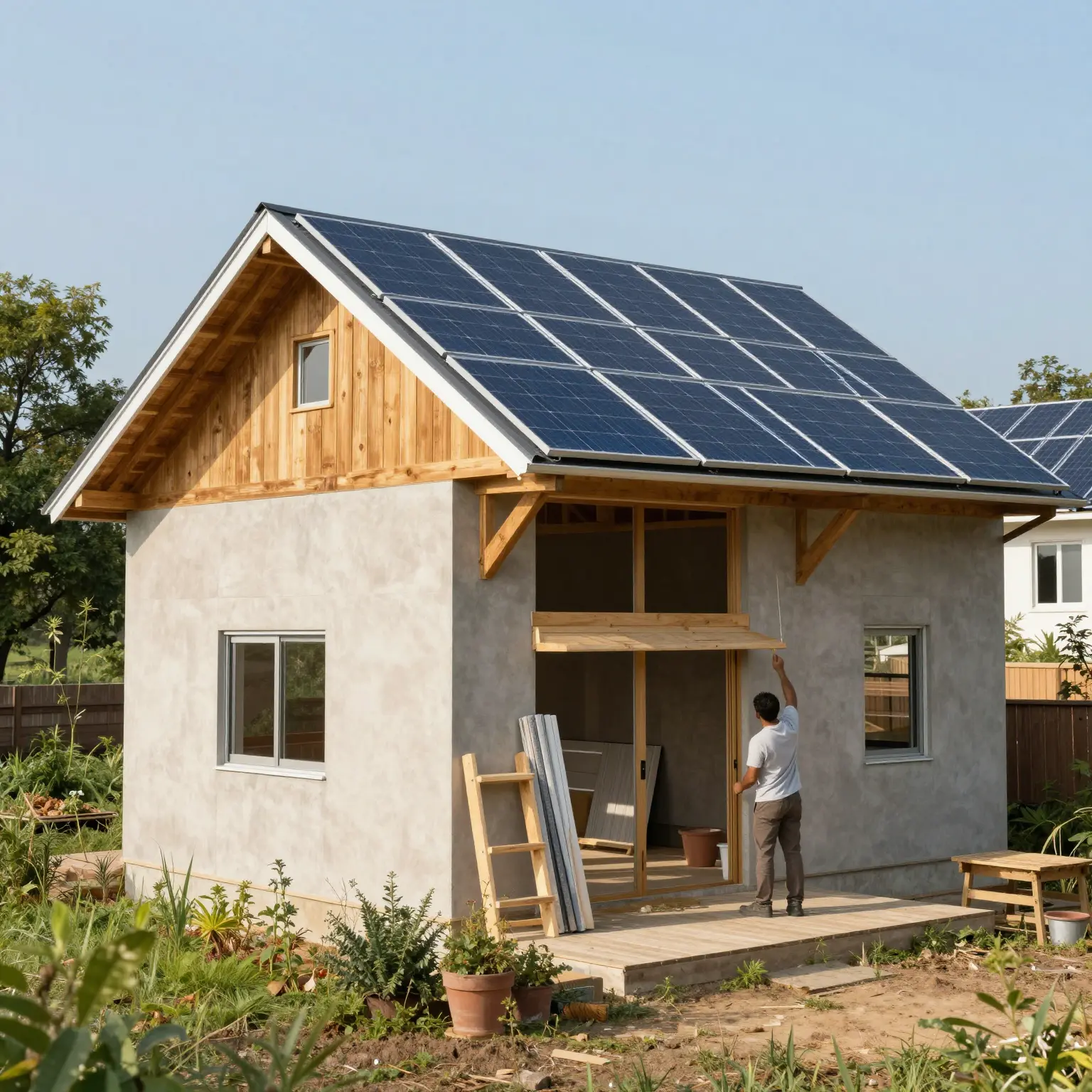
Whether you’re considering complete build-outs or home renovations, it’s essential to incorporate sustainable practices that can contribute to both the community and the planet. By prioritizing sustainability, you can ensure smarter, healthier, and more durable living spaces for generations to come.
Conclusion
In today’s competitive landscape, business owners in the construction sector must stay ahead by embracing current trends and insights. As outlined in the article, the integration of technology and data analytics is reshaping the way construction firms operate, leading to improved project management and efficiency. Notably, understanding the significance of labor shortages, rising costs, and the potential for industry contraction is crucial for strategic planning. Business leaders are urged to leverage resources like big data insights to enhance decision-making, and ensure that projects align with market demands to mitigate risks effectively.
As we navigate the challenges of 2023-characterized by inflation, a decline in residential construction, and the necessity for digital transformation-construction business owners should prioritize adaptability and continuous learning. Staying informed about these evolving dynamics within the industry is vital, not only for maintaining competitive advantage but also for fostering sustainable growth while optimizing operational performance. Consequently, utilizing insights derived from both market trends and data analytics will empower construction firms to navigate uncertainties effectively while positioning themselves for future success. For more insights on effective remodeling strategies, consider exploring our guide on kitchen and bathroom renovations that can help you stay relevant and responsive to client needs.
Case Studies in Home Construction
Home construction projects can often encounter various challenges, ranging from budget constraints to unexpected environmental obstacles. By examining case studies from recent successful projects, we can reflect on innovative solutions that offer practical insights for business owners in the construction field. Here are two illustrative examples:
Case Study 1: Building on a Budget
Project Overview: A family aimed to construct a modest 640 sq ft home with a strict budget of $17,000. Using economical materials like Autoclaved Aerated Concrete (AAC) blocks, they produced a functional yet aesthetically appealing home.
Challenges Faced:
- Limited financing and resources forced a focus on affordability.
- Experts doubted the project could meet both quality and budget standards.
Solutions Implemented:
- The innovative use of AAC blocks provided sufficient insulation while reducing construction costs significantly.
- The project also emphasized DIY efforts, where family members actively participated in various construction stages, reducing labor costs.
Outcome: The project, documented in a YouTube video, showcases the potential of creative problem-solving in home construction amidst financial restrictions.
Case Study 2: Tackling Environmental Challenges
Project Overview: The conversion of 1111 Church Apartments into modern living spaces involved addressing significant environmental considerations and safety standards.
Challenges Faced:
- The construction site presented unstable ground conditions, which posed safety concerns for the construction crew and future residents.
- The need to adhere to strict construction timelines aggravated the situation, risking delays and budget overruns.
Solutions Implemented:
- The construction team employed guided pipe ramming techniques to deal with ground instability, ensuring a stable foundation without causing undue disruption.
- Utilizing project management tools like those mentioned in the Touchplan case study, the team improved workflow and effectively managed their schedule to meet deadlines.
Outcome: The innovative solutions implemented during this project not only resolved immediate challenges but also established best practices that will benefit future projects. The effective use of technology in construction management led to a successful outcome despite the initial hurdles.
Visual Overview of Challenges and Solutions
To summarize the challenges faced in home construction and their solutions, refer to the chart below:
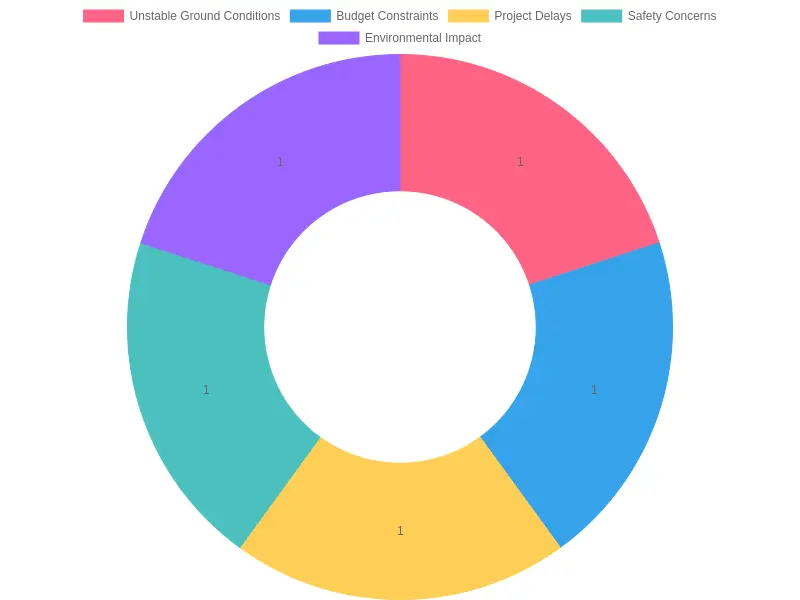
| Challenge | Solution | Case Study Link |
|---|---|---|
| Unstable Ground Conditions | Guided pipe ramming techniques | Akkerman Case Study |
| Budget Constraints | Building with low-cost materials | YouTube Case Study |
| Project Delays | Innovative scheduling technologies | Interesting Engineering |
| Safety Concerns | Enhanced training programs | Tandfonline Case Study |
| Environmental Impact | Sustainable building practices | TikTok DIY Home Project |
These case studies illustrate not just the challenges contractors face in home construction but also the innovative solutions that can emerge through creativity and perseverance. By learning from these examples, business owners can enhance their construction strategies to deliver high-quality results even in the face of adversity.
Importance of Modern Construction Methods
In today’s construction industry, embracing modern construction methods is crucial for ensuring higher efficiency, better quality, and faster project delivery. As Pete Morrison, a leading figure in the construction sector, emphasizes:
“Modern construction methods lead us into a future where efficiency and quality coalesce, paving the way for innovative building solutions.”
By adopting contemporary techniques and technologies, businesses can significantly improve their project outcomes. For more insights, you may explore transforming your space with expert home remodeling services.
Additionally, for those looking to remodel, learn more about the essentials of remodeling services that incorporate these modern methods.