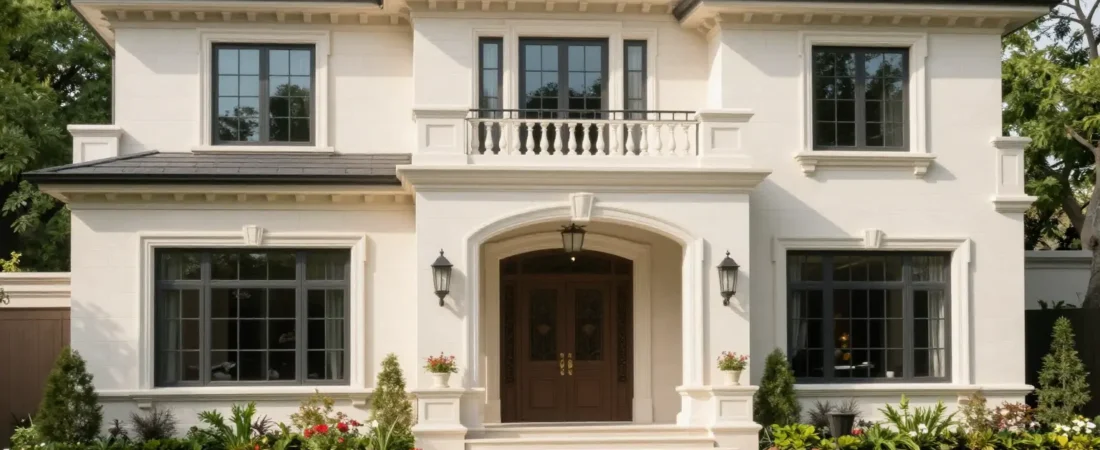
Introduction to Grand Homes Construction
In the competitive landscape of real estate and business, the construction of grand homes stands out as a significant investment opportunity for business owners. These properties not only embody luxury and elegance but also serve as a testament to one’s brand and vision. The architectural design and quality of construction can influence client perceptions, enhance brand visibility, and ultimately drive profitability. In addition, grand homes often feature eco-friendly materials and modern innovations that cater to the demands of today’s discerning consumer.
Furthermore, investing in grand home construction can elevate one’s portfolio. As urban areas continue to expand and the population grows, the demand for upscale residential properties is surging. This trend presents a unique chance for business owners to capitalize on market opportunities while contributing to the dynamism of their communities. A well-designed grand home can also function as a multifunctional space, accommodating various business needs-from hosting upscale events to serving as a captivating office space.
Moreover, the rising trend towards luxury lifestyle experiences means that choices in home design are more than aesthetic; they reflect the values of sustainability, innovation, and modern living. As business owners consider their next steps, understanding the significance of grand homes construction is crucial. It’s not just about building; it’s about vision, impact, and legacy. For those seeking to embark on this journey, insights into transformative remodeling services can provide a foundation for achieving this ambitious goal.
As we explore the intricate process of constructing grand homes, readers will gain valuable insights into design choices, material selections, and local trends that influence grand home construction. The discussion will outline not only the construction phase but also the strategic importance that these investments can have on a business’s overall success. Join us as we delve into this path of luxurious and impactful building tailored for business endeavors.
Market Trends in Grand Homes Construction
The construction industry, particularly in the luxury and grand homes segment, is witnessing significant shifts driven by innovative designs and sustainable building practices. Business owners in this sector are increasingly recognizing the importance of integrating these trends into their operations to meet consumer expectations and regulatory standards.
Innovative Designs
In recent years, architectural styles for grand homes have evolved dramatically. Key trends include:
- Open Floor Plans: Modern homeowners favor open-concept layouts that enhance space and light, creating a more inviting atmosphere.
- Smart Home Technology: The demand for integrated smart home features, such as home automation systems, intelligent HVAC, and security solutions, is on the rise. These enhancements not only improve convenience but also allow for better energy efficiency.
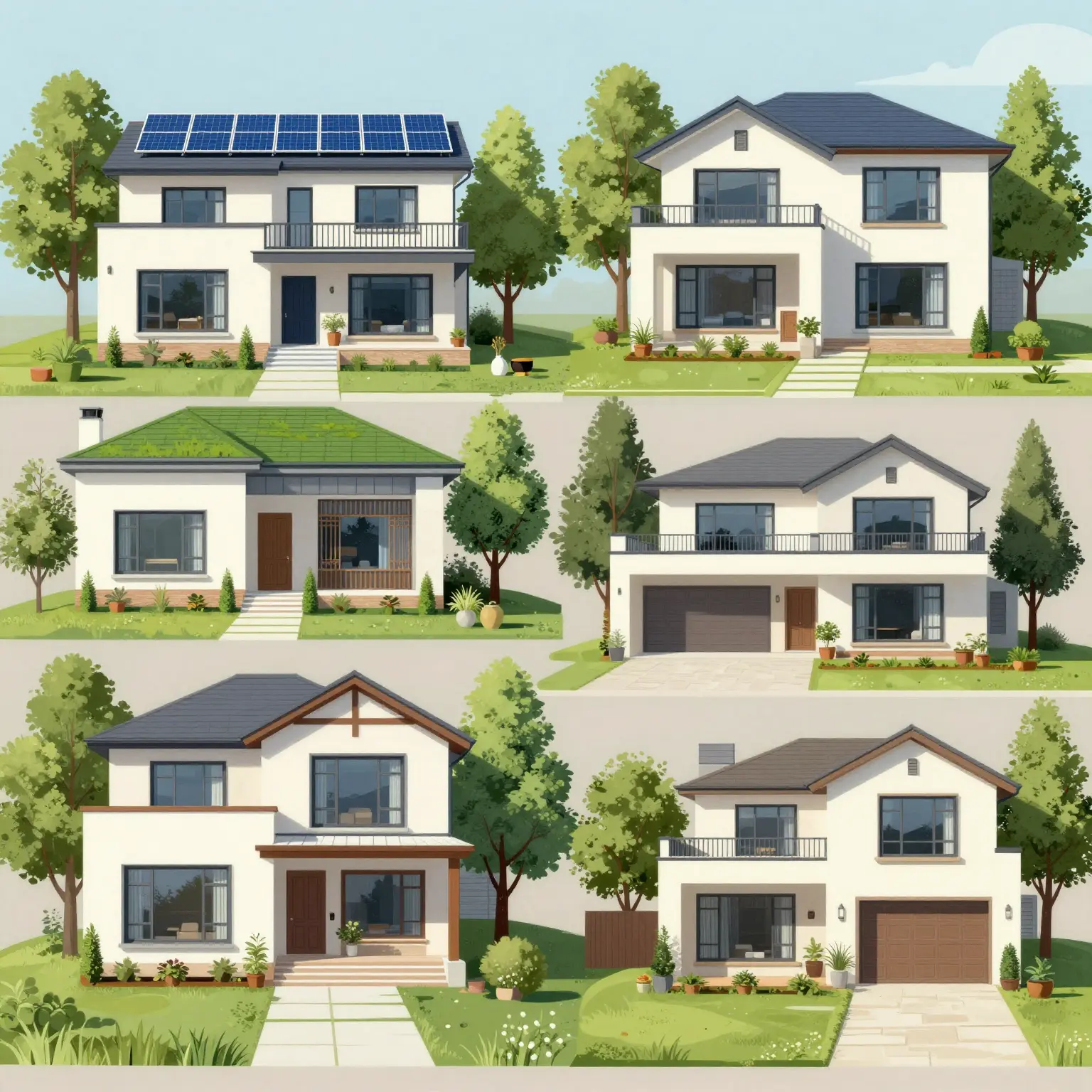
- Sustainable Aesthetics: There’s a strong move towards using natural materials, reflecting a blend of aesthetics and environmental responsibility. Designs now commonly incorporate elements like reclaimed wood, stone, and green roofs, contributing to a building’s energy performance.
Sustainable Building Practices
Sustainability is at the forefront of contemporary construction methodologies. With rising awareness of climate change and resource scarcity, there’s a substantial push towards eco-friendly building practices. Here are some of the significant trends:
- Energy-Efficient Technologies: Tools such as solar panels and energy-efficient insulation are becoming standard in new constructions. According to recent data, the utilization rate of green technologies has risen from 30% in 2020 to 45% in 2023.
- Eco-Friendly Materials: The usage of sustainable materials has also increased significantly, with eco-friendly materials usage now at 55%, up from 40% in 2020. Builders are focusing on materials that reduce ecological footprints, such as bamboo and recycled content products.
- Water Conservation Systems: Incorporating rainwater harvesting systems and low-flow fixtures is becoming normal practice in new constructions, appealing to environmentally conscious buyers while saving on utility costs.
Market Insights
Key metrics from the last few years highlight the trends in this niche:
| Year | Green Technologies Utilization Rate | Demand for Smart Home Features | Eco-friendly Materials Usage |
|---|---|---|---|
| 2020 | 30% | 25% | 40% |
| 2021 | 35% | 30% | 45% |
| 2022 | 40% | 35% | 50% |
| 2023 | 45% | 40% | 55% |
This chart illustrates the growing trend towards sustainability in construction, indicating that investors and developers who prioritize these values are likely to achieve significant long-term benefits.
Conclusion
For business owners in the luxury home construction segment, embracing these trends offers not only a competitive advantage but also a pathway to appealing to a growing market of environmentally conscious consumers. Investing in sustainable practices and innovative designs can drive profits while ensuring that your projects contribute positively to the environment. Thus, staying ahead in grand homes construction requires continuous adaptation to these evolving trends and consumer demands.
For further insights on remodeling and enhancing home spaces, consider exploring transform your home with stunning remodeling services.
Additionally, for those seeking to renovate or expand their existing properties sustainably, check out the essentials of remodeling services.
Comparing Construction Materials for Grand Homes
When building grand homes, the choice of construction materials can significantly impact costs, durability, and sustainability. Let’s explore a comparative snapshot of common materials suitable for such projects.
Key Construction Materials Comparison
| Material | Cost per sqft | Durability | Sustainability |
|---|---|---|---|
| Wood | $100 – $200 | Moderate (20-30 years) | Renewable, lower carbon footprint |
| Concrete | $100 – $150 | High (50+ years) | Can be recycled, higher energy use in production |
| Steel | $150 – $200 | Very High (50+ years) | Recyclable, high energy use in production |
| Brick | $120 – $180 | Very High (100+ years) | Natural materials, can be recycled |
Insights from the Sources
- Cost and Sustainability: Sustainable materials may have higher upfront costs but can offer savings in the long term due to reduced maintenance and operational costs. For example, wood is renewable and provides good insulation, while concrete is known for its robustness but has a larger ecological footprint during manufacturing.
- Durability Matters: As emphasized in various sources, materials like steel and brick offer significant durability, which is vital for grand homes that strive for longevity and low maintenance.
For further insights on modern construction practices and materials, you can learn more about remodeling services and explore sustainable practices in home building.
Choosing the Right Construction Partner for Grand Homes
When embarking on the journey to construct grand homes, business owners face numerous challenges. Selecting the right construction partner is paramount. This decision can significantly influence the project’s success, from design through execution to final handoff. Here, we delve into the key factors that should guide your selection process, including experience, reputation, and an impressive portfolio.
1. Experience Matters
Experience is a crucial criterion. A construction company with a proven track record in building luxury homes understands the nuances and challenges associated with high-end projects. Key reasons to prioritize experience include:
- Problem Solving: Experienced contractors can foresee and address issues that might arise during construction, from zoning laws to the management of specialty materials.
- Quality Assurance: Firms accustomed to luxury constructions maintain higher standards in quality control and have established systems for ensuring project consistency.
- Time Efficiency: With experience comes the ability to efficiently manage timelines, leading to on-schedule completion without compromising quality.
According to a guiding resource on choosing the right construction partner, evaluating a builder’s experience in similar luxury projects is critical. Firms that have previously managed large renovations or custom builds will appreciate the complexities of your vision (learn more about this process here).
2. Reputation is Key
A construction partner’s reputation speaks volumes about their reliability and the quality of their work. Before finalizing a partnership, it is important to:
- Research Reviews and Testimonials: Look for long-standing industry presence and positive client feedback. Compliments regarding past projects indicate a commitment to excellence and satisfaction.
- Ask for References: Speaking directly to previous clients can provide insights into the contractor’s strengths and weaknesses, revealing their ability to meet deadlines and adhere to budgets.
- Consider Recognition and Awards: Awards from reputable industry bodies demonstrate that the company is recognized by peers and experts, which adds another layer of trust.
Online reputation significantly influences client decision-making, as noted in various articles about maintaining a good reputation in construction (read more on reputation management strategies). A solid reputation not only attracts clients but also maximizes project success chances by fostering trust.
3. Impressive Portfolio
Inspecting a construction partner’s portfolio is vital to ensure their style aligns with your vision. Key elements to consider include:
- Diversity of Projects: Look for a portfolio showcasing various construction styles, materials, and functionalities. This can showcase the contractor’s flexibility and adaptability.
- Quality Over Quantity: Focus on the craftsmanship and detail in their previous work. Grand homes often require tailored solutions; thus, a few high-quality projects may be more indicative of capability than a large number of modest ones.
- Case Studies: Detailed case studies can provide insight into their process, project challenges, and how they were overcome, allowing you to gauge their problem-solving abilities and design innovation.
As emphasized in construction industry articles, evaluating a potential partner’s portfolio based on previous luxury projects ensures alignment with your specific needs (view examples of luxury home construction).
Conclusion
Choosing the right construction partner for grand homes involves scrutinizing their experience, reputation, and portfolio. By ensuring alignment with your project vision and values, business owners can safeguard their investments and ensure the creation of stunning, luxurious homes. The right partner not only brings expertise to the table but also helps turn your ambitious dreams into reality. When you’re ready to embark on your journey, evaluate your options thoroughly, keeping these factors in mind.
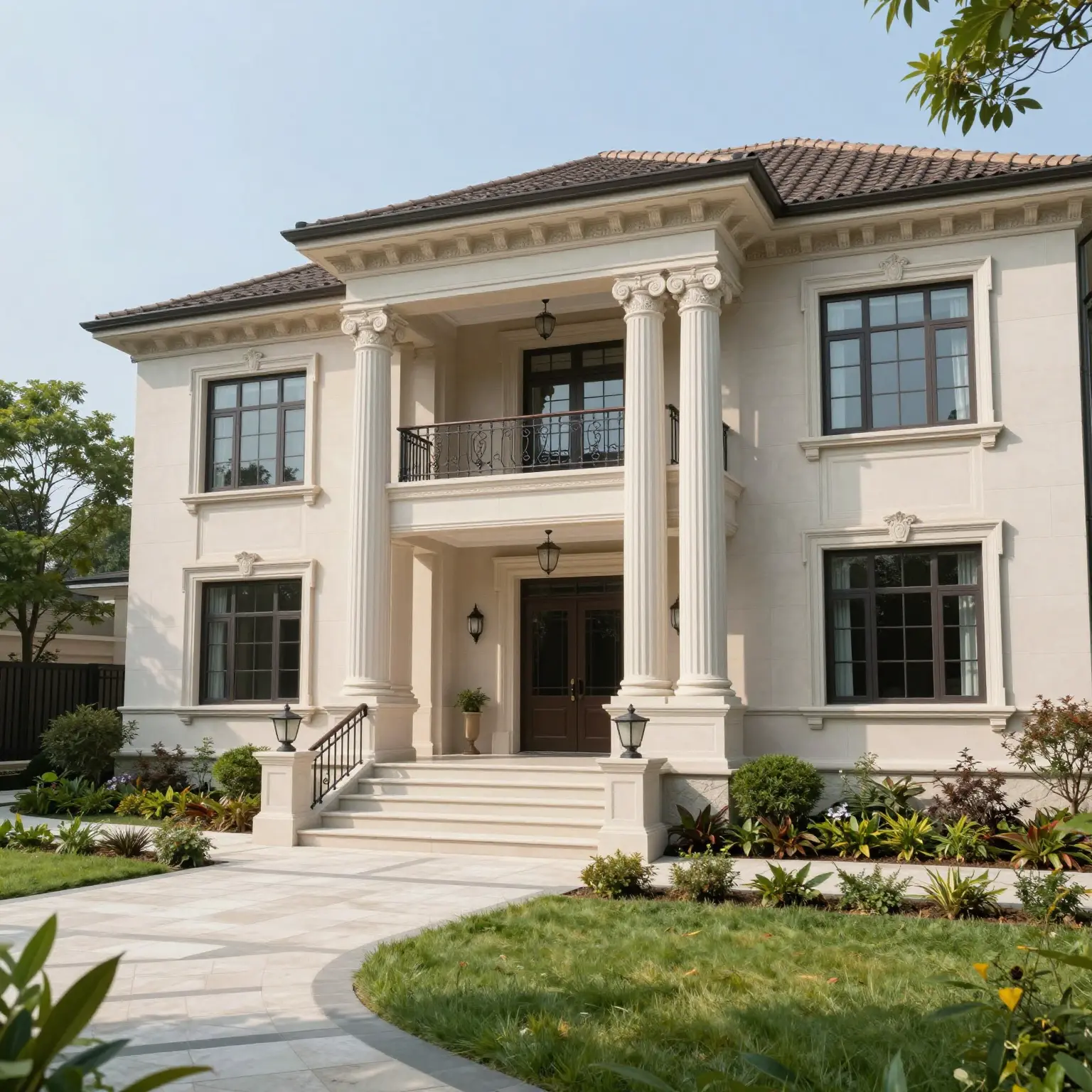
This image of a grand home beautifully captures the essence of luxury and sophistication, making it a perfect visual representation for those interested in home construction and design. As a business owner in the construction industry, understanding the appeal of such homes can be vital for attracting clients interested in upscale renovations or building.
For more insights about remodeling and upgrades, check out our guide on transforming your home with stunning remodeling services or learn about innovative trends in residential construction to stay ahead in the market.
Client Testimonials
“Choosing Rudenkoconstruction for our home renovation was the best decision we made! Their team was professional, attentive, and delivered exceptional results. Our home is now a stunning masterpiece!”
– Lisa M., Business Owner“The attention to detail was remarkable. Our grand home project was completed ahead of schedule, and the quality exceeds all our expectations. We highly recommend Rudenkoconstruction!”
– Mark T., Entrepreneur“From start to finish, the team at Rudenkoconstruction transformed our vision into reality. Their expertise and craftsmanship made all the difference, and we couldn’t be happier!”
– Sandra R., CEO
These testimonials highlight the positive experiences of business owners who have successfully completed grand home projects, showcasing their satisfaction with the professionalism and quality of work delivered by Rudenkoconstruction. For insights on transforming your home, learn more about our remodeling services.
If you’re interested in kitchen and bathroom renovations specifically, check out our ultimate guide to kitchen and bathroom renovations.
Financing Options for Constructing Grand Homes
Constructing a grand home is a remarkable achievement that reflects success and status. For business owners looking to invest in such properties, understanding the financing options available is crucial. This guide outlines various financing strategies, including loans and investment strategies, tailored to help you make informed decisions.
1. Traditional Construction Loans
Traditional construction loans are one of the most common forms of financing available. These loans are typically short-term and specifically designed for the construction phase of a new home. Here are some key points:
-
Loan Duration: Generally, these loans cover the duration of the construction, typically 12 to 18 months.
-
Disbursement Structure: The funds are often provided in stages based on project milestones, such as foundation completion and framing.
-
Interest Rates & Terms: Interest rates for construction loans fluctuated around 6.50% as of 2023, but they can vary significantly based on market conditions. In 2024, they are projected to decrease slightly to about 6.45% (Trading Economics).
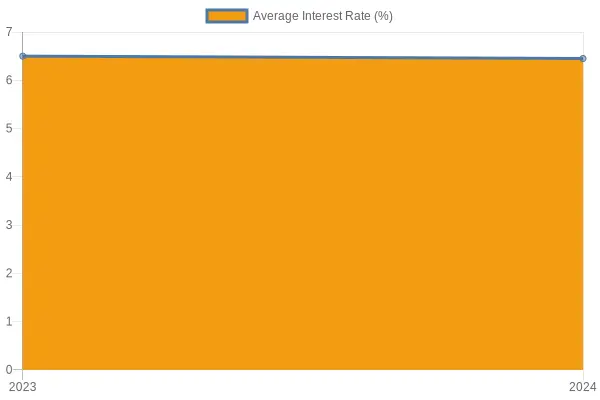
Figure: Average Interest Rate Over Years
When considering a construction loan, it’s advisable to consult with lenders specific to custom home financing. For an in-depth overview of this process, check our guide on luxury home financing.
2. Jumbo Loans
For high-value grand homes, traditional loans might not suffice, and this is where jumbo loans come into play. These loans exceed the conforming loan limits set by the Federal Housing Finance Agency (FHFA).
- Loan Size: Typically, these loans range from $500,000 to over $5 million.
- Requirements: They often come with stricter requirements, including higher credit scores and a larger down payment, usually around 20%.
- Interest Rates: Given the risk involved, interest rates can be higher compared to conventional loans, but they can be negotiated based on borrower profiles.
For tailored financing solutions, consider consulting reputable home builders like those at Rudenko Construction.
3. Portfolio Loans
Another option is a portfolio loan, which allows lenders to keep the loan in-house rather than selling it on the secondary market. This can be beneficial for unique projects that may not fit conventional lending guidelines.
- Flexibility: These loans often come with more flexible underwriting standards, particularly advantageous for custom builds.
- Interest Structure: Interest rates can vary widely, depending on the lender’s policies and the property’s specifications.
If you’re interested in unique construction strategies, explore our services.
4. Home Equity Lines of Credit (HELOC)
If you already own a property with considerable equity, tapping into that equity through a HELOC can be an excellent financing option.
- Usage: This line of credit allows you to withdraw money as needed during the building process.
- Pay Back: You only pay interest on the amount borrowed, making it a cost-effective alternative to other payment methods.
- Risks: However, this method does put your existing home at risk, so it’s crucial to evaluate your financial situation carefully.
5. Investment Partnerships
For larger constructions, consider entering partnerships with other investors. This approach can distribute costs and responsibilities. Potential benefits include:
- Shared Risk: Each partner can invest according to their means, reducing the financial burden on a single entity.
- Profit Sharing: Define clear agreements on profit-sharing and exit strategies to ensure a fair arrangement for all parties involved.
For more detailed insights into financial structures for custom homes, check out our discussion on luxury home investments.
Conclusion
Navigating the financing options for constructing grand homes can be complex, particularly for business owners. Various loans and investment strategies are available, each with its unique features and requirements. Understanding these choices allows you to make informed decisions that align with your financial goals. Always consider consulting with skilled builders and financial advisors who specialize in luxury home construction to guide you through the process efficiently.
Essential Permits for Constructing Grand Homes
As a business owner in the construction industry focusing on grand home projects, it’s crucial to navigate the permitting process effectively. Here’s a concise list of essential permits you need to consider:
-
Building Permit: This is the primary permit required for any construction project. It ensures the structure complies with local building codes, zoning laws, and safety standards. Without this, the project cannot commence legally.
-
Electrical Permit: Necessary for any electrical work, including installations and modifications. This permit ensures all electrical systems are installed safely and in accordance with the National Electrical Code.
-
Plumbing Permit: Essential when altering plumbing systems or installing new ones. This permit helps ensure that plumbing meets health and safety regulations, and proper inspections are conducted.
-
Mechanical Permit: Required for work that involves heating, ventilation, and air conditioning (HVAC) systems. Compliance with mechanical codes is critical for ensuring system efficiency and safety.
-
Zoning Permit: Depending on the location, a zoning permit may be required to confirm the intended use of the property complies with local zoning ordinances.
-
Environmental Permit: If your construction will affect local ecosystems or waterways, securing environmental permits is essential to comply with environmental protection standards.
-
Site Development Permit: Necessary for any land alterations, such as grading or filling, before construction begins. This helps manage stormwater runoff and protect local waterways.
-
Sign Permits: If you plan on putting up signage for your grand home, permits may be required to ensure compliance with local regulations regarding size, placement, and aesthetics.
Taking the time to secure these essential permits can save you from legal headaches and ensure a smoother construction process. For a deeper understanding of the remodeling aspects you might encounter during the construction phase, learn more about remodeling services. Additionally, for homeowners looking to renovate, check out the ultimate guide to kitchen and bathroom renovations.
By securing the necessary permits, you not only comply with the law but also contribute to better construction quality and safety standards.
Conclusion
In conclusion, the construction of grand homes is not merely an aspiration for business owners; it is a strategic investment that significantly enhances both personal and professional ventures. Throughout this article, we examined the multi-faceted benefits of luxurious home construction, emphasizing those aspects that resonate most with business professionals seeking a balance between opulence and functionality.
Firstly, we explored how grand homes can serve as effective spaces for entertaining clients, hosting business meetings, and fostering collaborative environments. A well-designed home can double as a professional hub, enhancing your brand reputation and client experience. Additionally, such spaces often include state-of-the-art technology and amenities that facilitate productivity and comfort, further positioning business owners to succeed in their fields.
Next, we discussed the financial implications of investing in grand homes. High-quality construction tends to appreciate over time, serving as an asset that can yield substantial returns. Business owners looking to maximize their investments can carefully consider new constructions or renovations that ensure long-term value, thereby securing their financial futures.
Moreover, grand homes contribute to an overall healthier work-life balance. By creating spaces that inspire creativity and relaxation, business owners can recharge efficiently and maintain peak performance. This becomes increasingly important in today’s fast-paced business landscape, where mental well-being is fundamental to success.
As a business owner, if you are considering embarking on a journey to establish or renovate your grand home, it’s essential to engage with experts in the field. Professional guidance ensures that your vision is realized with precision and style. You can begin by exploring various remodeling services such as transforming your home or discovering how luxury home construction can meet your specific needs.
In summary, the pursuit of grand homes offers more than just luxury; it presents substantial opportunities for excellence, growth, and prosperity. As you stand at the crossroads of construction decisions, take the steps towards transforming your dreams into reality with the right resources and insights.
Construction Cost Estimates by Phase
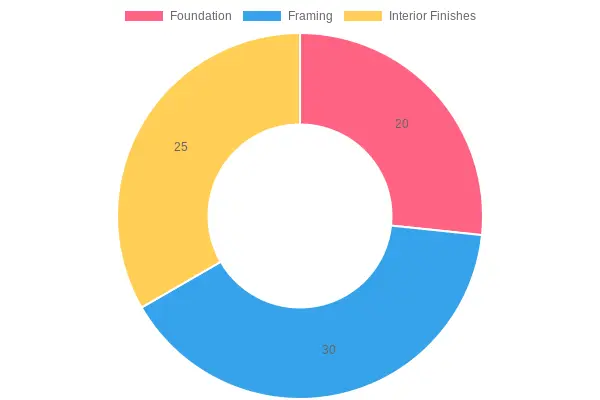
Understanding the estimated costs associated with different phases of grand homes construction is crucial for effective budgeting. Below is a visual representation that delineates the cost estimates of various components involved in the home construction process:
Cost Breakdown:
| Phase | Cost Estimate (%) | Description |
|---|---|---|
| Foundation | 20% | Costs involved in laying the foundation for the home. |
| Framing | 30% | Expenses related to framing the structure of the home. |
| Interior Finishes | 25% | Costs for drywall, flooring, cabinetry, and fixtures installation. |
| Site Preparation | TBD | Expenses for clearing and preparing the construction site. |
| Exterior Finishes | TBD | Costs for roofing, siding, windows, and doors installation. |
| Plumbing | TBD | Installation costs for plumbing systems throughout the home. |
| Electrical | TBD | Expenses associated with electrical systems and wiring. |
| Final Inspection | TBD | Costs associated with final inspections to ensure code compliance. |
This chart serves as an essential tool for business owners in the construction industry to plan and allocate budgets effectively. For more insights on remodeling services that enhance your construction project, check out the essentials of remodeling services.