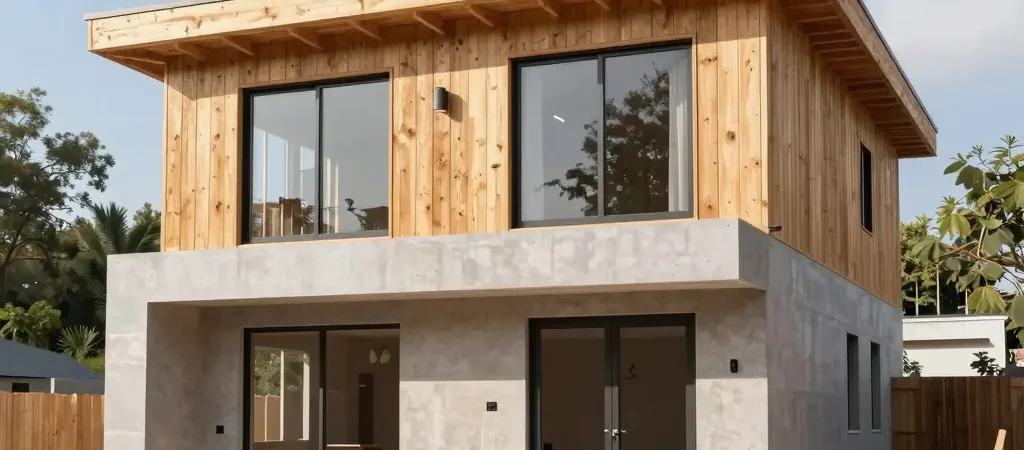
Introduction to Shell Home Construction
In the ever-evolving landscape of real estate, shell home construction emerges as an innovative and cost-effective solution for business owners. Unlike traditional building methods, shell home construction allows for flexibility and scalability, offering developers a streamlined approach to building with stunning results. By focusing on the outer structure first, this approach gives business owners a competitive edge, enabling faster project completion and reduced labor costs. Moreover, shell homes also provide a blank canvas for customization, allowing real estate professionals to tailor interiors according to market demands. With the added benefits of energy efficiency and durability, investing in shell home construction not only entices potential buyers but also enhances long-term value. Learn more about transforming spaces with essential remodeling services and discover how this building method can elevate your projects to new heights.
Benefits of Shell Home Construction for Business Owners
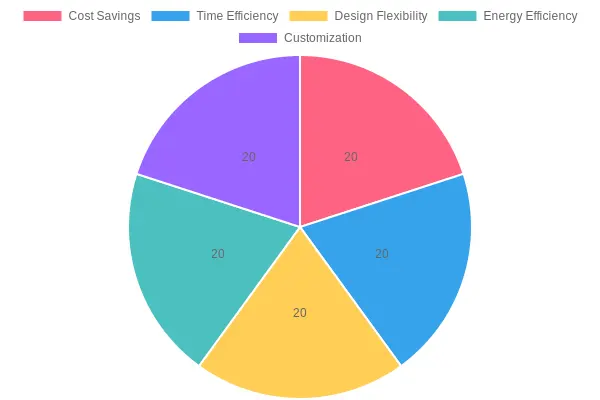
Building shell homes has increasingly become a viable choice for many business owners. These structures offer numerous advantages that can significantly streamline operations and reduce costs. Here are five key benefits of shell home construction:
1. Cost Savings
Shell homes are known for their cost-efficiency, primarily due to their simplified architectural designs and the use of durable materials that require less investment during construction. Business owners can significantly cut down on initial expenses compared to traditional builds.
Source: A&R Builders
2. Time Efficiency
One of the crucial benefits of shell construction is the reduced time frame involved in the construction process. Shell homes are quicker to erect because they require fewer materials and less labor. This can mean faster occupancy for business owners, enabling them to start operations sooner.
Source: JRM Construction Management
3. Design Flexibility
Shell homes provide a level of design flexibility that appeals to various types of businesses. Owners can customize the interior spaces according to their needs without being confined to a pre-existing layout. This adaptability can enhance both functionality and aesthetics.
Source: GCShell
4. Energy Efficiency
The design of shell homes can significantly enhance energy efficiency, which is vital for reducing operational costs over time. Improved insulation and energy-efficient designs lead to lower heating and cooling expenses, making shell homes a sustainable option.
Source: A&R Builders
5. Customization
Shell homes can be tailored to align closely with the owner’s vision. The construction process allows for various customization options, making it easier for business owners to create a unique space that meets their specific business demands.
Conclusion
For business owners looking to minimize costs and maximize efficiency, shell home construction presents an attractive option. With benefits ranging from cost savings to increased design flexibility, these structures can play a pivotal role in achieving business success.
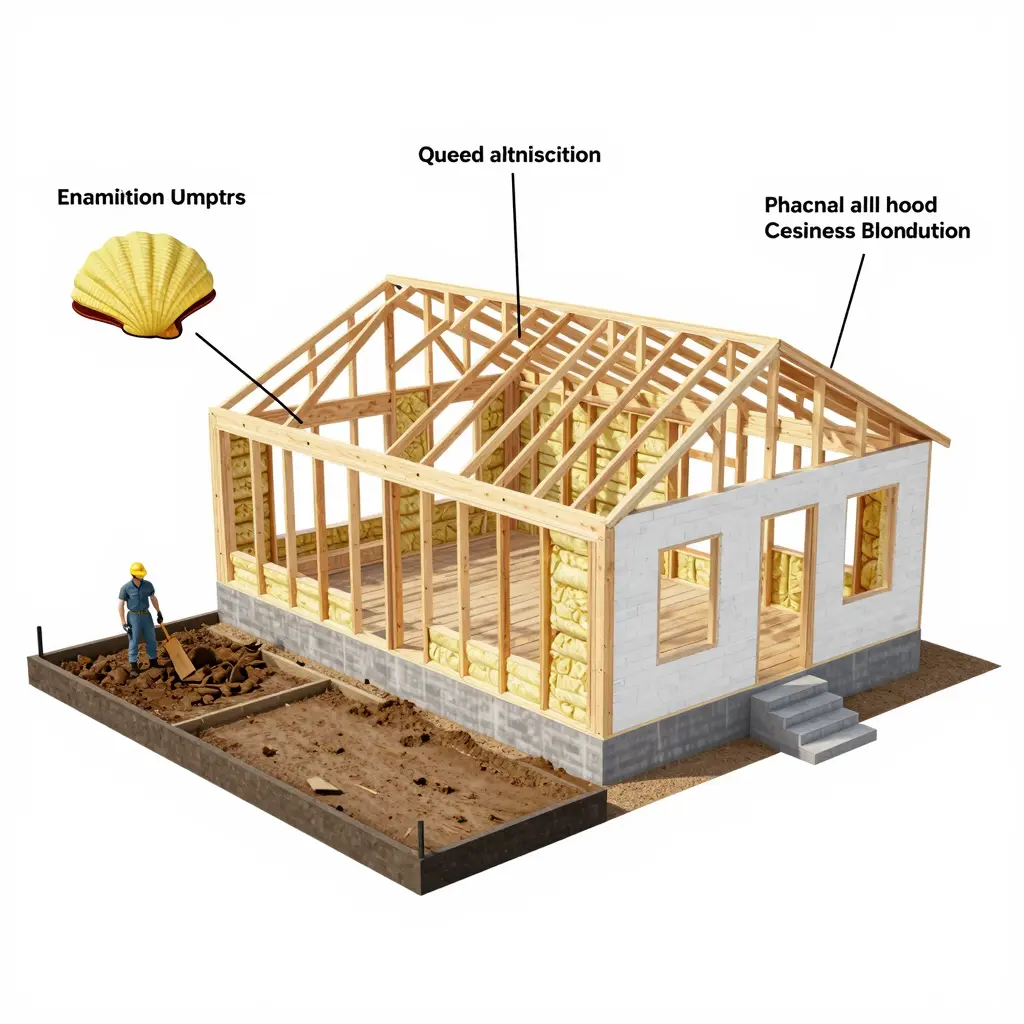
Understanding Cost Implications of Shell Home Construction
As business owners explore different building strategies, shell home construction has emerged as a cost-effective alternative to traditional methods. This construction technique not only emphasizes efficiency and quick build times but also offers substantial financial returns that can enhance overall investment potential.
Cost Factors in Shell Home Construction
Shell homes are often constructed using available materials, and their structure emphasizes simplicity and efficiency. In 2023, the average cost of constructing a shell home is approximately $45 per square foot for shell framing materials. By contrast, traditional building methods tend to fall within a much higher price range, often bringing the total costs of new homes to between $200,000 and $300,000 (source).
Breakdown of Costs
The following table summarizes average cost implications:
| Type of Home | Cost per Square Foot | Average Total Cost |
|---|---|---|
| Shell Homes | $45 | N/A |
| Traditional Homes | N/A | $200,000 – $300,000 |
Return on Investment (ROI)
For business owners looking for ROI, shell homes often provide a quicker path to profitability. The significant initial savings in construction costs mean that construction businesses can offer competitive pricing to homeowners while retaining healthy margins.
Moreover, shell homes are built to adapt. Therefore, they can be modified and expanded over time, which is appealing to future homeowners who may want to tailor their space further. This flexibility can often lead to higher resale values when it comes time to sell the property, presenting a win-win scenario for builders and investors alike.
Efficiency and Sustainability
In addition to financial considerations, shell home construction can contribute to sustainability goals. Shell homes can utilize green materials and energy-efficient designs that lower utility costs for homeowners and enhance the long-term viability of the investment. This appeal toward eco-friendliness is becoming increasingly significant in the minds of modern homeowners, who increasingly favor energy-efficient options (learn more about renovation services).
Conclusion
In conclusion, shell home construction represents a compelling alternative to traditional building methods for business owners. Not only does it afford more competitive pricing due to lower upfront costs, but it also enables flexibility and sustainability that can translate into higher ROI over the lifetime of the property. Embracing modern construction techniques can provide a necessary edge in a crowded housing market.
Comparison Table: Shell Home Construction vs. Traditional Construction
| Category | Shell Home Construction | Traditional Construction |
|---|---|---|
| Cost | Generally lower; often more affordable due to prefabrication. | Typically higher due to labor and material costs. |
| Construction Time | Much quicker, often completed in weeks. | Longer timelines; usually several months or more. |
| Customization | Limited design options; more standardized. | Highly customizable; tailored designs possible. |
| Energy Efficiency | Often designed with energy efficiency in mind. | Varies widely, depending on materials and methods used. |
| Durability | Can vary; some materials less durable. | High durability with traditional materials (brick, wood). |
| Eco-friendliness | Generally more sustainable; uses less waste and energy. | Environmental impact can vary; traditional methods may use more resources. |
| Financing | May face challenges in financing due to lender preferences. | More financing options available and widely accepted. |
Advantages of Shell Home Construction
- Speed of Construction: Typically faster to construct than traditional homes.
- Reduced Labor Costs: Lower labor requirements due to prefabrication.
- Energy Efficiency: Many designs incorporate eco-friendly features.
Disadvantages of Shell Home Construction
- Financing Challenges: May be harder to finance through traditional lenders.
- Design Limitations: Less flexibility in design compared to traditional methods.
- Potential Durability Issues: Quality may vary based on materials used.
Conclusion
Both shell home construction and traditional construction methods have their pros and cons. As a business owner looking to invest in construction, understanding these differences will help you make a more informed decision depending on your project’s needs. For more insights on home construction, explore our remodeling services.
Challenges in Shell Home Construction
Shell home construction can provide unique benefits, but it is not without its challenges. Business owners considering this approach need to be aware of several factors that can impact the building process and the overall success of the project. Here are five critical considerations:
1. Precision and Technical Requirements
Shell homes require a high level of precision in their construction. The structural elements must be accurately aligned and crafted to ensure the integrity of the building. Any deviations can lead to significant structural issues later on, making it crucial for builders to have expertise in shell construction techniques. As noted by EJD Construction, attention to foundations and roofing is particularly important.
2. Cost Considerations
Although shell homes can potentially save on labor and time, initial costs can be misleading. The expenses associated with quality materials, skilled labor, and proper permits can add up. Business owners should conduct a thorough cost analysis before diving in. Understanding the balance between short-term savings and long-term investments is essential.
3. Design Flexibility
While shell homes offer some design flexibility, constraints often arise due to the prefabricated nature of the structures. Customization options can be limited, which might not align with the vision of a particular project. Builders need to be prepared to work within these limitations, as highlighted in the guide to building dream shell homes.
4. Weather Considerations
Depending on the region, shell homes can be vulnerable to adverse weather conditions, especially if they are not properly sealed or insulated. Business owners in areas prone to severe weather must invest in quality weatherproofing solutions and consider how the local climate will affect their builds.
5. Regulatory Challenges
Navigating building codes and regulations can be a major hurdle for shell home construction. Local laws may impose restrictions on modular or shell homes, impacting where and how these structures can be built. Business owners should engage with local authorities early in the planning process to avoid potential legal issues.
In conclusion, while shell home construction offers innovative possibilities, prospective builders must approach it with caution and thorough preparation. A well-informed strategy can help mitigate these challenges, ensuring a successful construction outcome.
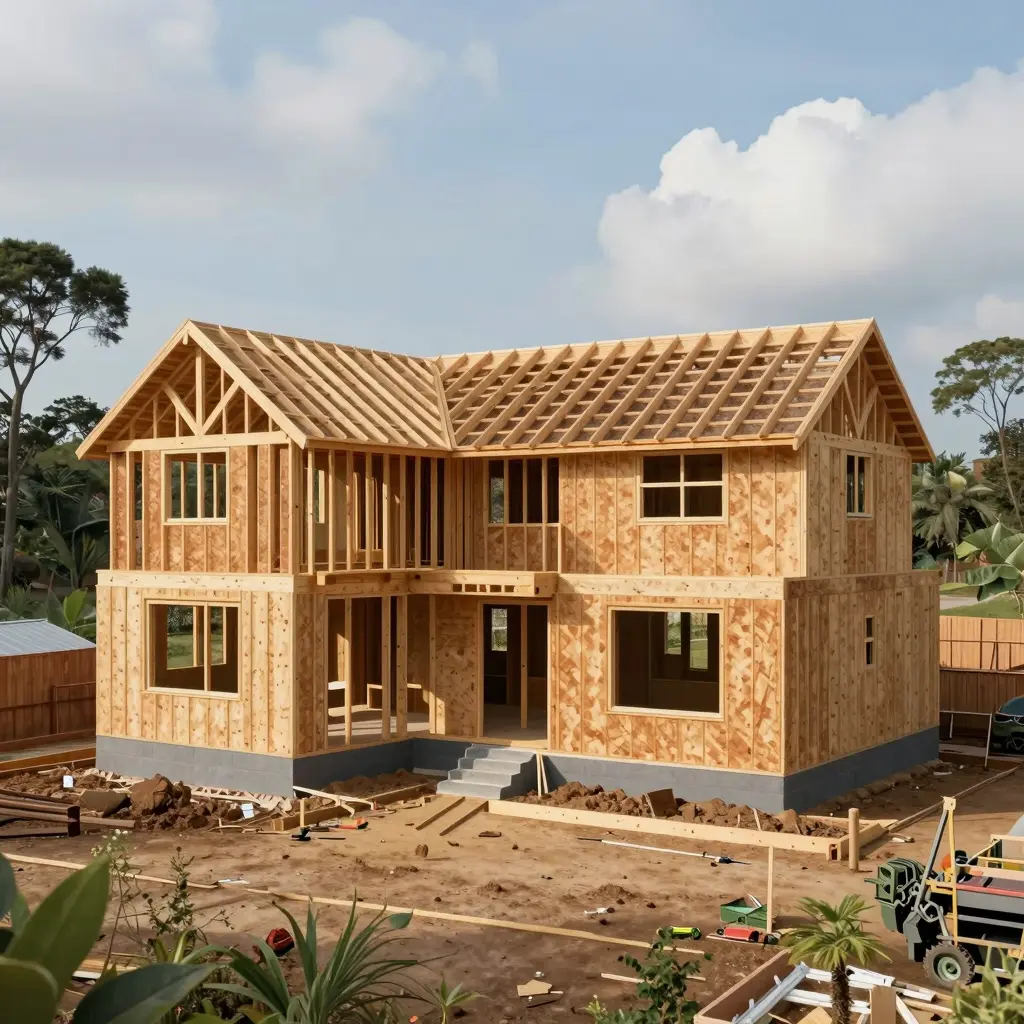
Understanding these obstacles is vital to creating not just efficient but also sustainable housing solutions. For further insights, check out our other resources on transforming your home with expert remodeling services.
Shell Home Construction: The Future and Viability
Shell home construction is emerging as a viable and innovative approach to homebuilding. The unique design of these homes allows for reduced material waste and the potential for sustainable living. As noted by industry experts:
“Shell construction offers a promising future in the realm of residential building; it combines sustainability with cost-effectiveness and design flexibility. As we face increasing environmental challenges, adopting shell homes could significantly reduce our carbon footprint while providing versatile living spaces.”
This perspective highlights the potential for shell homes to address contemporary housing needs effectively.
For businesses interested in remodeling or building with innovative materials, exploring shell home concepts could align well with sustainable practices. If you’re considering a transformation in your building strategies or looking for more traditional remodeling options, you may want to learn more about the essentials of remodeling services or explore our expert remodeling services.
Case Study: Building Success with Shell Home Construction
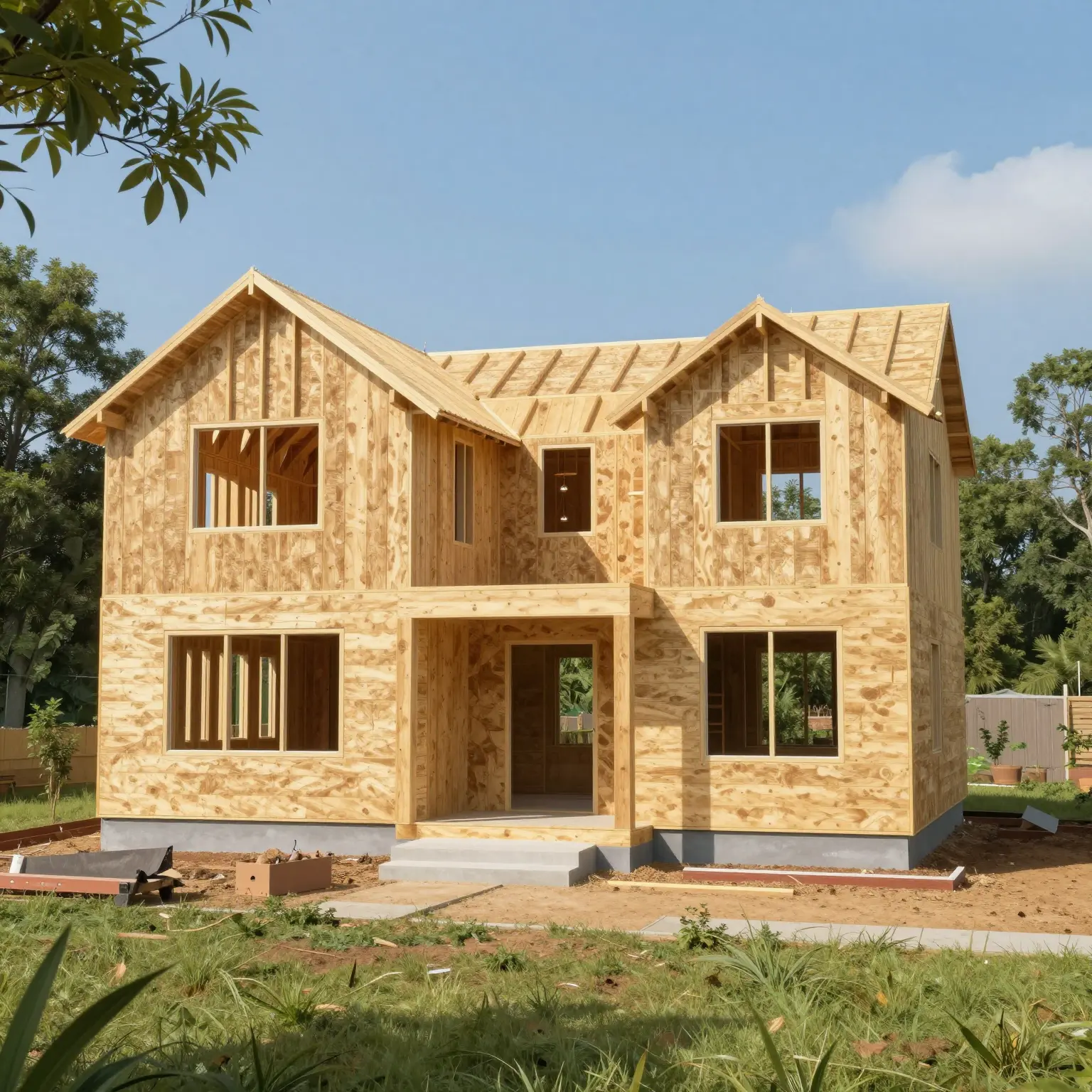
Shell home construction is an innovative approach that offers flexibility, cost-effectiveness, and resilience for residential projects. One notable case involves Mark Johnson, a business owner who decided to invest in shell home construction to create his dream home while also exploring a lucrative opportunity in real estate. This case study explores Mark’s journey through the shell home construction process, from conception to the end product, while showcasing the benefits and outcomes.
The Concept and Planning Phase
Mark, a successful entrepreneur in the tech industry, always dreamed of creating a unique living space that would stand out in the competitive real estate market. He discovered shell home construction through his research, which allows construction to be completed in stages, providing homeowners the choice to manage certain aspects of their projects themselves. This setup perfectly aligned with his vision of a customizable and innovative living space.
Selecting a Construction Partner
To bring his vision to life, Mark sought the expertise of Rudenkoconstruction, known for their experience in shell construction. Working closely with the team, he developed a plan that incorporated the latest design trends and material efficiency. By collaborating with professionals, Mark ensured that his plans met all local building codes while maximizing the appeal of the final product.
The Construction Process
The shell home construction process began with the establishment of a strong foundation. The exterior was built first, focusing on structural integrity, using high-quality materials that could withstand local weather conditions. One of the primary advantages of shell home construction is that it allows flexibility in interior design. This was crucial for Mark, as he planned to incorporate sustainable and eco-friendly technologies into his home.
- Foundation: Strong and durable to ensure longevity.
- Structural Shell: Completed using reinforced concrete and steel.
- Interior Customization: Allowing choices of layout and design fitting Mark’s lifestyle.
The construction team was able to complete the shell within a short timeframe. This not only saved Mark money but also helped him get the home ready for furnishing and landscaping sooner than expected.
The Results
Upon completion, Mark’s shell home exemplified modern aesthetics with a functional structure. The impact of the project had several positive outcomes:
- Cost-Effectiveness: Mark saved approximately 30% compared to traditional construction methods, allocating the budget towards luxurious interior finishes.
- Quick Turnaround Time: The shell was completed in less than 60 days, allowing him to move in sooner and start generating rental income.
- Energy Efficiency: Mark implemented solar panels and high-efficiency appliances, which drastically reduced his energy expenses.
As Mark settled into his new home, he noticed increased interest from potential renters in the area, keen to learn about the innovative shell design. This led to added opportunities in real estate, as he planned to build additional shell homes for rental purposes.
Conclusion
Mark Johnson’s experience with shell home construction illustrates its potential benefits, especially for business owners looking to enter the real estate market. With its unique advantages of flexibility, cost savings, and style customization, shell home construction is an ideal choice for individuals seeking innovative solutions. Much like Mark, anyone can leverage this modern construction method to create a profitable and beautiful living space that meets their goals.
For more insights on remodeling and constructing homes, check out our guide on transforming your space.
Recent User Adoption Trends in Shell Home Construction
Shell home construction, a method characterized by eco-friendly and efficient building processes, has been gaining traction in recent years due to evolving user preferences and market dynamics. In 2023, several key trends highlight the growing acceptance of this construction approach.
Key Insights into User Adoption Trends
- Economic Viability:
- Shell homes are increasingly recognized for their cost-effectiveness. The lower operational costs associated with prefabrication make them a financially attractive option for homeowners. As urbanization intensifies, demand for affordable yet high-quality housing solutions rises.
- Growing Acceptance:
- More consumers are embracing shell home construction as a practical and innovative solution. This is partly due to the drive for sustainable living and the desire for rapid housing solutions to combat housing shortages in urban areas.
- Sustainability Factors:
- The construction industry is seeing a significant shift toward eco-friendly practices. Shell homes often utilize sustainable materials and energy-efficient designs, aligning with consumers’ increasing preference for green solutions. This shift not only minimizes environmental impact but also enhances the overall value of the property.
- Trends in Modular Construction:
- There is a notable trend towards automation in construction processes, facilitating faster and more efficient builds. Hybrid approaches that combine traditional methods with modular and prefabricated techniques are becoming common, allowing for practicality without sacrificing aesthetics.
- User Statistics:
- According to a recent article from Keystone Contractor Magazine, the acceptance of prefabricated construction methods has dramatically improved, moving from a perception of being a temporary trend to a recognized method of housing construction.
Visual Representation of Trends
Here is a chart that summarizes key insights into prefabricated construction:
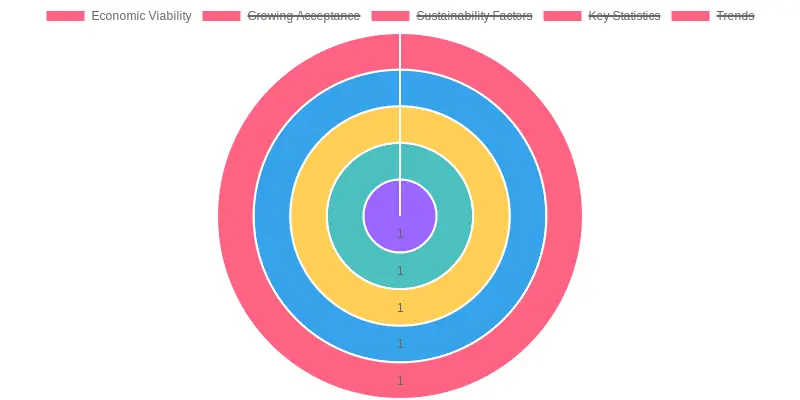
| Category | Data |
|---|---|
| Economic Viability | Prefabrication offers lower operational costs, enhancing long-term financial viability. |
| Growing Acceptance | Increasing acceptance of prefabricated construction due to the combination of efficiency and sustainability. |
| Sustainability Factors | Use of eco-friendly materials, energy-efficient designs, and reduced construction waste boosts sustainability. |
| Key Statistics | Urbanization is raising demand for affordable, quickly deployable housing solutions. |
| Trends | Trends include automation in construction processes and hybrid approaches combining traditional and prefabricated methods. |
In summary, shell home construction is not only becoming more popular due to its advantages in sustainability and economic viability but is also viewed as a forward-thinking solution amid rising urban housing demands. For those interested in remodeling services, learn more about our offerings.
Conclusion and Call to Action
In conclusion, shell home construction represents a remarkable opportunity for business owners seeking to maximize their investment and efficiency in new building projects. This construction method provides unparalleled benefits, including cost savings, reduced construction time, and the flexibility for future modifications to fit growing business needs. By choosing shell homes, business owners can ensure that they remain on budget while enjoying the freedom to customize their spaces as needed. Furthermore, the durability of shell construction offers long-term resilience against environmental factors, making it a smart choice for any business.
If you’re ready to explore the potential of shell home construction for your business, we invite you to learn more about our remodeling services or discover how shell construction can enhance your property. Take the first step towards transforming your business space today!