Introduction
In the ever-evolving landscape of real estate and construction, the significance of family home construction has emerged as a fundamental pillar for business owners. Investing in quality family homes is not only a personal endeavor but a strategic business move that can yield substantial returns. With the rise of homeownership as a desirable lifestyle choice, business owners are increasingly recognizing the potential of constructing family homes as a means of solidifying their brand and expanding their investment portfolios.
Building a family home transcends mere construction; it is about crafting spaces where memories are made and families thrive. Engaging in this venture allows business owners to establish a connection with the community, showcasing their commitment to quality and excellence. Whether through custom designs or energy-efficient innovations, prioritizing quality in home construction enhances the durability and appeal of properties, ultimately driving customer satisfaction.
Moreover, understanding the market dynamics and modern construction trends can position business owners to capitalize on lucrative opportunities in the housing sector. The demand for stylish yet functional homes continues to escalate, prompting a need for businesses to stay ahead of the curve. As such, family home construction becomes a pivotal investment that not only significantly impacts financial growth but also positively influences community development. It’s time to explore how prudent investments in quality family homes can transform your business landscape and open the door to new possibilities. Learn more about how to invest in luxury home construction to understand the potential benefits.
With this guide, we will delve into the essential elements of family home construction and what business owners need to consider to succeed in this robust market.
Key Trends in Family Home Construction
In recent years, the family home construction industry has seen significant transformations, influenced by the growing awareness of environmental issues and advances in technology. Business owners in this sector need to be aware of these trends to remain competitive and meet the demands of modern homeowners. This article explores three key trends: sustainable materials, smart home technology, and energy efficiency.
1. Sustainable Materials
Sustainable materials have become a cornerstone of modern construction practices. With increasing consumer awareness of environmental impacts, more builders are opting for materials that are not only durable but also eco-friendly. Popular choices include:
- Recycled Materials: Using materials like recycled steel, glass, and plastics can help reduce waste and decrease the carbon footprint of new homes.
- Bamboo and Timber: These rapidly renewable resources offer high strength-to-weight ratios and are favored for their sustainability.
- Low-VOC Paints and Finishes: Products with lower volatile organic compounds (VOCs) ensure better indoor air quality and reduce residents’ exposure to harmful chemicals.
Sustainable materials not only mitigate environmental damage but also appeal to a growing consumer market that prioritizes green living. Business owners who adopt these materials can attract environmentally conscious clients and potentially reduce long-term costs associated with energy efficiency and maintenance.
For more insights on remodeling with sustainable practices, learn more about the essentials of remodeling services.
2. Smart Home Technology
The incorporation of smart technology into family homes has radically changed how we think about living spaces. Home automation systems can manage everything from lighting to security, enhancing both convenience and safety. Key components include:
- Smart Thermostats: Devices like Nest or Ecobee optimize heating and cooling, allowing homeowners to save significantly on energy bills.
- Automated Lighting Systems: These systems can be programmed based on occupancy, reducing unnecessary energy consumption.
- IoT Sensors: These allow for real-time monitoring of home systems, identifying issues before they become costly problems.
Implementing smart technology not only enhances the user experience but also promotes energy efficiency. Homes equipped with these systems can reduce energy consumption by up to 30%, resulting in both cost savings and a substantial decrease in carbon emissions. By staying ahead of this curve, builders can distinguish themselves in a competitive market.
For tips on integrating these innovations, check our guide on transforming spaces with expert home remodeling services.
3. Energy Efficiency
Energy efficiency is a crucial aspect of modern home construction. As energy costs rise and environmental concerns heighten, both builders and consumers are placing greater emphasis on energy-efficient designs and materials. Notable trends include:
- Solar Panels: More homes are being equipped with solar energy systems, providing a renewable energy source and reducing reliance on traditional power grids.
- Energy Star Appliances: Homes are increasingly being outfitted with Energy Star-rated appliances that use less energy and water, appealing to cost-conscious buyers.
- Insulation and Windows: Advanced insulation materials and energy-efficient windows are vital in minimizing heat loss during winter and keeping homes cool in summer.
By focusing on energy efficiency, builders not only contribute to a more sustainable future but also provide homeowners with long-term savings. As energy efficiency standards become stricter, staying informed about the latest building codes and technologies will be essential for success in the construction industry.
Conclusion
The trends of sustainable materials, smart home technology, and energy efficiency are reshaping the family home construction landscape. Adapting to these trends is not merely an option for business owners; it’s a necessity to stay competitive. Embracing these innovations can enhance customer satisfaction, reduce operational costs, and position companies as leaders in the evolving market. As we move forward, it’s crucial to recognize that building homes today also means building a sustainable future for generations to come.
Comparison Table of Building Materials for Family Homes
Selecting the right building materials for family homes is crucial for business owners in the construction sector. Here’s a comparison of common building materials based on costs, sustainability, and durability:
| Material | Pros | Cons | Cost Range (per sq ft) | Sustainability | Durability |
|---|---|---|---|---|---|
| Wood | Cost-effective, good insulation, aesthetic appeal | Susceptible to pests and moisture, limited lifespan | $50 – $100 | Renewable resource, but requires sustainable forest management | 30-50 years |
| Brick | Very durable, low maintenance, fire-resistant | Higher cost, heavy structure | $100 – $150 | Generally sustainable if locally sourced | 100+ years |
| Concrete | Strong, weather-resistant, good thermal mass | Can crack, requires skilled labor for installation | $75 – $100 | Can be made from recycled materials | 50+ years |
| Steel | Highly durable, energy-efficient, recyclable | Higher initial cost, prone to rust if not treated | $100 – $150 | Recyclable, but energy-intensive to produce | 50+ years |
| Bamboo | Rapid growth, strong, biodegradable | Vulnerable to insects if not treated, less common in some areas | $60 – $120 | Highly sustainable, renewable | 10-20 years |
This table should help business owners assess the critical aspects of various building materials when planning construction projects. For more in-depth information regarding renovations, you can explore our remodeling services and learn more about our construction strategies.
Budgeting for Family Home Construction: A Financial Overview
Constructing a family home is a major financial undertaking that requires careful planning and budgeting, especially for business owners who must often juggle personal and professional expenses. Below is a comprehensive guide on estimating costs, budgeting tips, and common financial pitfalls to avoid.
Understanding the Costs of Home Construction
- Average Construction Costs: In 2023, the cost of building a home ranges from
- $100 to $200 per square foot, depending on the region, design, and materials used. For a modest home, expect to spend around $300,000, while larger custom designs can easily exceed $1 million.
- Key Expenses to Consider:
- Land Acquisition: This often includes not just the purchase price but also taxes and fees related to ownership.
- Site Preparation: Costs associated with clearing the land, surveying, and foundational work.
- Building Materials: This is often the largest part of the budget. Prices can fluctuate based on market conditions and material choices, so it’s crucial to plan carefully.
- Labor: Skilled labor can be expensive and varies by region. Be sure to account for potentially rising costs.
- Permits and Regulations: Local regulations may require various permits which can add to the expense.
Tips for Effective Budgeting
-
Create a Detailed Budget: Make a comprehensive list of all anticipated costs, breaking them down into categories such as materials, labor, and permits. Include any potential upgrades and extra expenses to avoid surprises.
-
Include Contingencies: It’s advisable to set aside at least 10-20% of your budget for unexpected costs. Construction is often an unpredictable process, and having a financial cushion can save you from stress later on.
-
Consider Future Maintenance Costs: Think about how your ongoing costs might affect your overall budget. Factor in utilities, property taxes, and maintenance plans to ensure sustainable home ownership.
-
Use Home Construction Calculators: Various online tools can help estimate costs based on your plans and local building codes. These are essential for getting a clearer picture of your financial outlook.
Common Financial Pitfalls to Avoid
-
Underestimating Costs: It’s all too common for builders to overlook various expenses involved in the construction process. Make sure to have a realistic outlook on your total costs.
-
Lack of Planning: Impulsive decisions, such as last-minute design changes or upgrades, can lead to significant budget overruns. Stick to your original plan as much as possible.
-
Financing Issues: Be aware of the terms of any loans or lines of credit you utilize for construction. Understand interest rates and how they can impact your overall project costs over time.
-
Ignoring Local Market Conditions: The building market can be variable. Be sure to research local trends in material costs and labor availability to avoid any unexpected spikes in your expenses.
Conclusion
Budgeting for a family home construction project requires diligence and foresight. By understanding both the expected costs and potential pitfalls, business owners can effectively manage their finances and complete their dream home without breaking the bank. For additional insights on home remodeling and construction, consider exploring our essential remodeling services or discovering how to transform your kitchen and bathroom.

Regulations and Permits Required for Family Home Construction
When it comes to family home construction, business owners must navigate a variety of regulations and permits to ensure compliance with local laws. Here’s a detailed overview of the necessary categories:
1. Permits and Licenses
Before breaking ground on a construction project, it is crucial to obtain the necessary permits. This can include:
- Building Permits: Required for any new construction or significant renovation.
- Electrical Permits: Needed for any electrical work done in the home.
- Plumbing Permits: Required for plumbing installations or modifications.
- Zoning Permits: Necessary to confirm that the proposed construction complies with local zoning laws.
2. Zoning Laws
Zoning regulations are important as they dictate where and how structures can be built. Key aspects include:
- Land Use: Regulations specify what types of buildings can be erected in a particular area, including residential, commercial, or mixed-use developments.
- Setbacks: These laws govern how far a structure must be from property lines to maintain privacy and space.
- Height Restrictions: Local governments may impose height limits on buildings to maintain neighborhood aesthetics or due to airspace regulations.
3. Building Codes
Building codes are critical to ensuring safety and structural integrity. Key components include:
- Construction Standards: Codes outline acceptable materials and construction practices to mitigate risks such as fire hazards, structural failure, and environmental factors.
- Safety Features: Requirements for smoke alarms, carbon monoxide detectors, and accessibility considerations under the Americans with Disabilities Act (ADA).
4. Inspection Requirements
Regular inspections are typically mandated throughout the construction process:
- Inspections at Different Stages: Local authorities may require inspections during key phases of construction, such as after the foundation is poured, when electrical work is completed, or before insulation is installed.
- Compliance Confirmation: These inspections help verify that the construction adheres to approved plans and local building codes.
It’s advisable for business owners to consult local government websites or engage legal professionals who specialize in construction law to obtain precise information for their area. For more insights into home renovation practices, learn more about remodeling services and the ultimate guide to kitchen and bathroom renovations.
Navigating the landscape of regulations and permits can be complex, but understanding these requirements can ease the process and lead to successful home construction projects.
Choosing the Right Contractors for Family Home Construction
When it’s time to build or renovate your family home, choosing the right contractors is one of the most crucial steps in the process. A reliable contractor can make or break your project, affecting both the quality of work and your peace of mind. Here’s a guide on how to choose a contractor wisely, including essential questions to ask and red flags to watch for during the selection process.
Essential Qualities to Look For
-
Licensing and Insurance: Always verify that the contractor possesses the proper licenses and insurance. This is critical to protect yourself from legal liabilities that may arise in case of accidents on-site.
-
Experience and Reputation: Look for contractors with a strong background in home construction. They should have a portfolio showcasing their previous work. Online reviews and referrals can also provide insight into their reputation.
-
Communication Skills: A reliable contractor should be able to communicate effectively. They should be willing to answer your questions, offer insights, and provide regular updates on the project’s progress.
-
Detailed Estimates: A trustworthy contractor will give you a detailed estimate that breaks down the costs of materials and labor upfront. Beware of vague estimates that don’t clearly outline all expenses.
-
Warranties and Guarantees: Look for contractors who offer warranties on their work. This reflects confidence in their craftsmanship and assurance that they will address any issues that may arise.
-
Timeliness: A good contractor respects deadlines and recognizes the importance of keeping your project on schedule. Ensure they have a plan in place for managing time efficiently.
Questions to Ask Potential Contractors
When interviewing potential contractors, consider these questions to gauge their suitability for your project:
- What is your experience with this type of construction?
Understanding their background helps ensure they have the necessary expertise. - Can you provide references from previous clients?
Speaking to past clients can provide insights into their reliability and quality of work. - How do you handle project delays or unforeseen issues?
Their response will help gauge their problem-solving abilities, which are critical in construction projects. - What subcontractors will be involved, and are they licensed?
Knowing about the team who will work on your home is essential, as the contractor may not do all the work themselves.
Red Flags to Watch Out For
While selecting contractors, keep an eye out for potential red flags that may indicate a lack of reliability:
- Lack of Proper Credentials: Contractors who hesitate to provide proof of licensing and insurance should raise suspicion. Always ask for these documents upfront.
- Vague Contracts: If the contractor offers a contract that lacks details regarding the scope of work, costs, or timelines, it’s wise to move on. Clear contracts protect both parties and clarify expectations.
- High Pressure for Quick Decisions: Be cautious if a contractor pressures you to make quick decisions. Reliable contractors will understand that you need time to consider your options.
- Negative Reviews or Feedback: Online reviews and client feedback are invaluable. If you notice a consistent thread of poor reviews, it’s best to take that into consideration.
- Unprofessional Behavior: Any signs of unprofessionalism, such as lack of punctuality during meetings or hasty responses to questions, might foreshadow issues during the project.
Conclusion
Choosing the right contractor for your home construction project is essential for ensuring a successful build. By identifying the qualities to look for, asking the right questions, and being aware of red flags, you will set yourself up for a smoother construction process. If you’re considering remodeling or building a new family home, you may want to learn more about essential remodeling services available for your project.
Building a family home is a significant endeavor, often filled with aspirations of comfort, sustainability, and longevity. Numerous families have successfully navigated this intricate process, and understanding their experiences can provide valuable insights for business owners in the construction field. Here, we summarize critical findings that emerge from analyzing successful family home construction projects, highlighting lessons learned and strategies that contributed to their success.
1. Emphasis on Sustainability
Recent trends indicate that families are increasingly prioritizing sustainability in home construction. Several successful projects incorporated green building practices that not only reduced environmental impact but also resulted in long-term savings on energy costs.
Key Insights:
- Use of Recycled Materials: Projects that utilized recycled or reclaimed materials reported satisfaction among homeowners who valued ecological responsibilities.
- Energy-Efficient Designs: Homes designed with energy-efficient appliances and insulation not only reduced energy consumption but enhanced resale value.
Additionally, business owners should consider adopting eco-friendly building practices to align with market demands.
2. Modular and Prefabricated Construction
A notable trend in recent family homes involved the use of modular and prefabricated construction techniques. These methods have shown to significantly reduce construction time and waste.
Case Study Highlights:
- Modular homes allow for significant cost savings and faster build time, appealing to modern families interested in getting into their homes more quickly.
- By pre-fabricating sections of a home off-site, builders can minimize interruptions caused by weather and labor shortages.
Lessons learned here suggest that integrating modular options can enhance operational efficiency and appeal to homeowners looking for quicker occupancy.
3. Integration of Smart Home Technologies
The adoption of smart technology in home construction has seen substantial growth. Successful family homes have been increasingly equipped with smart systems for security, climate control, and energy management.
Practical Implementations:
- Homeowners noted increased satisfaction when their homes featured smart thermostats and integrated security systems, which improved overall convenience and energy monitoring.
- Builders who offered customization options for smart home features reported higher engagement and satisfaction from clients.
Business owners should explore partnerships with tech companies to offer modern solutions that meet these evolving consumer preferences.
4. Flexibility and Adaptability in Design
Family dynamics can change, leading to evolving needs. Successful home construction projects have embraced flexibility in architectural design.
Design Insights:
- Open floor plans that allow for multiple uses of spaces were particularly favorable, supporting family gatherings, work-from-home setups, and leisure.
- Adding features such as movable walls or multipurpose rooms was appreciated by families aiming to maximize functionality.
The takeaway here is clear: understanding the need for adaptable spaces is crucial in contemporary design, allowing homes to grow with the family’s needs learn more about remodeling options.
5. Community Considerations
Finally, successful home projects often considered community integration, creating environments that foster social interaction.
Findings:
- Homes designed in neighborhoods with communal green spaces and activity areas attracted families who valued a strong sense of community.
- Builders who engaged with local businesses and community members created relationships that contributed to smoother approval processes and even marketing channels.
Business owners in construction should focus on integrating their projects into the community fabric, enhancing not only the homes they build but the neighborhoods they contribute to.
Conclusion
Constructing family homes involves navigating complex requirements and consumer desires. By closely examining successful case studies, business owners can adapt strategies that enhance sustainability, operational efficiency, and customer satisfaction. Keeping abreast of trends such as smart technology integration and community-focused designs will be essential in delivering value to future clients. These insights can lead to not only successful projects but also satisfied homeowners who appreciate their well-constructed environments.
Whether you’re looking to build new homes or renovate existing structures, drawing on these insights can help steer your business towards a more prosperous future in the construction industry.
Typical Construction Timelines for Family Homes
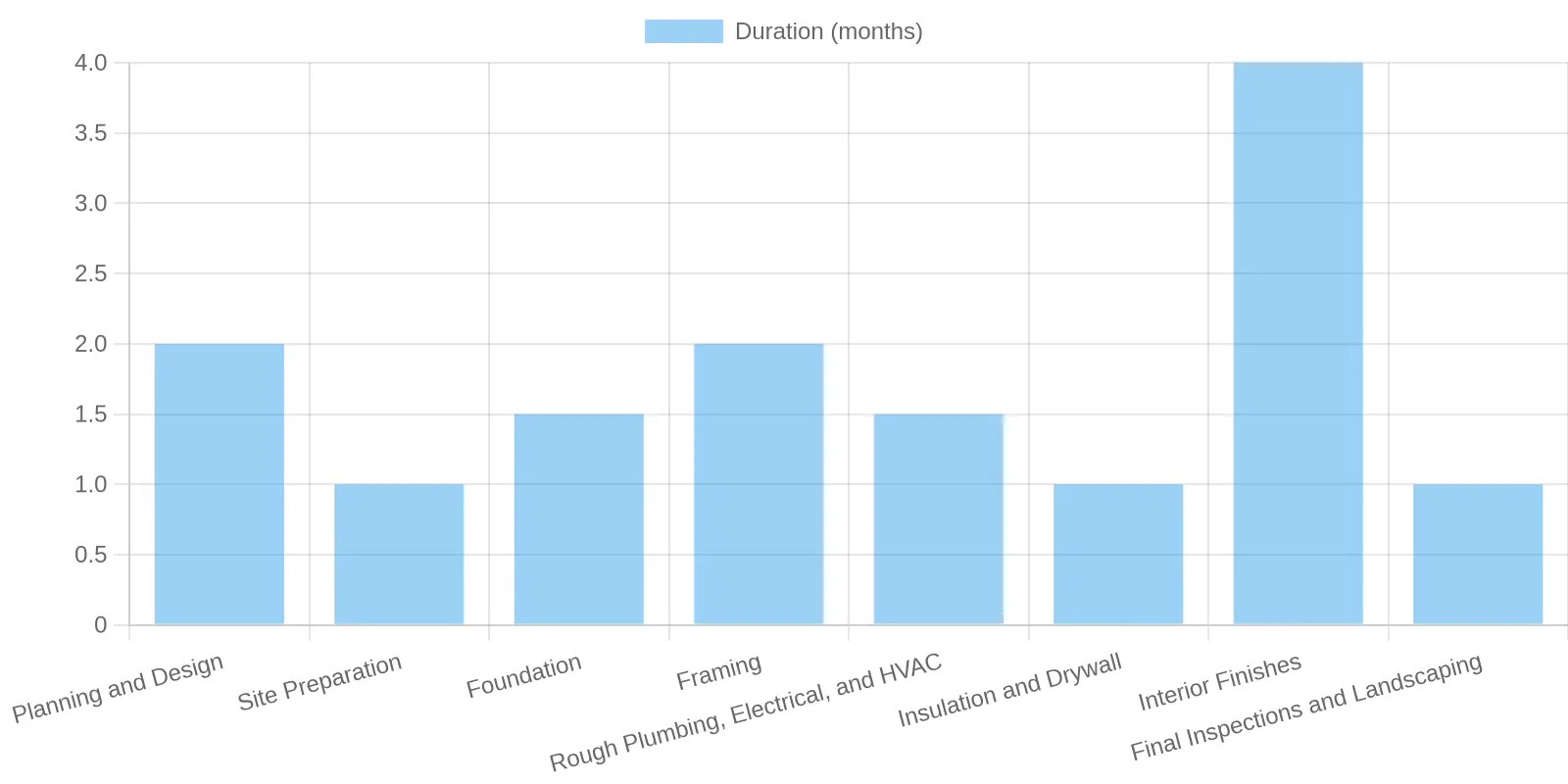
Understanding the construction timelines for family homes is crucial for business owners engaged in this sector. The following chart outlines the typical stages of the construction process, along with their respective durations.
Stages and Durations
| Stage | Duration |
|---|---|
| Planning and Design | 1-3 months |
| Site Preparation | 1 month |
| Foundation | 1-2 months |
| Framing | 1-3 months |
| Rough Plumbing, Electrical, and HVAC | 1-2 months |
| Insulation and Drywall | 1 month |
| Interior Finishes | 2-6 months |
| Final Inspections and Landscaping | 1 month |
By analyzing these timelines, business owners can better prepare for each phase of construction, ensuring smoother operations. Learn more about home construction for insights on how various factors can impact these timelines.
Conclusion: Thoughtful Decision-Making in Family Home Construction
In conclusion, the process of family home construction is multifaceted and requires a comprehensive approach that emphasizes thoughtful decision-making. As we reflected on the essential elements discussed throughout this article, several key takeaways stand out:
-
Cost Management: An effective approach to budget planning is crucial. It ensures families can realize their home ownership dreams without exceeding financial limits. This involves gathering detailed estimates, comparing options, and anticipating future expenses.
-
Long-Term Satisfaction: The decisions made during the construction phase will significantly affect a family’s satisfaction with their home for years to come. Informed choices regarding layouts, materials, and architectural designs are not just about immediate needs but also about long-term enjoyment and usability of the space.
-
Adaptability for Future Needs: Families evolve over time, and the homes they build should accommodate potential changes. Planning for future expansions or adjustments can save money and stress down the line. This means considering flexible spaces that can adapt to new family dynamics, whether that’s accommodating a growing family or incorporating home offices.
-
Safety and Compliance: Adhering to local building codes and safety regulations is non-negotiable. Thoughtful planning ensures that all construction practices are safe and legal, safeguarding the wellbeing of the family and demonstrating responsibility to the community.
-
Sustainability Considerations: Including eco-friendly practices in the decision-making process is becoming increasingly important. Sustainable construction not only benefits the environment but can also reduce long-term operational costs through energy efficiency.
-
Communication with Experts: Finally, engaging with experienced contractors and professionals offers invaluable insights. Building strong communication can facilitate better outcomes, reduce misunderstandings, and ensure that both parties are aligned on goals and expectations.
With these takeaways in mind, it’s clear that thoughtful decision-making in family home construction is paramount. For business owners in the construction industry, leveraging these principles can set them apart in a competitive market. Transform your home with expert remodeling services to create spaces that reflect the family’s unique needs and future aspirations.
In essence, a well-constructed home is more than just a structure; it’s a space where memories are made, and lives unfold. Thoughtful planning and decision-making are the keys to building that ideal space. Embracing these concepts not only leads to higher satisfaction but also fosters responsible and sustainable construction practices. It’s an investment in a family’s present and future, emphasizing the importance of careful deliberation in every step of the construction journey.